
Let's talk about what nobody warns you about
Your body made a human. That's extraordinary. It's also a lot. Postpartum sexuality isn't something that snaps back like a rubber band. It's a slow, uneven reentry into a body that feels different, with a brain that's tired, and hands that are usually holding someone else.
Here's what I see in my practice: people expecting their pleasure to return on its own timeline end up frustrated. The ones who get somewhere are the ones who understand what actually shifted and give themselves permission to rebuild it differently.
What changes physically after birth
Vaginal tissue needs time to heal, especially if there was tearing or an episiotomy. Even without intervention, the tissue is swollen, tender, and sometimes numb for weeks. But there's more happening than just the vaginal canal.
Hormone changes affect everything. Oxytocin skyrockets while you're breastfeeding, which pulls your nervous system toward nurturing and away from arousal. Prolactin rises. Estrogen drops. This combination can flatten desire, numb sensation, and make achieving orgasm feel nearly impossible, even when penetration is physically comfortable again.
The pelvic floor gets stressed from pregnancy and delivery. Nerves are overwhelmed. The clitoris, which relies on blood flow and nerve sensitivity, often becomes less responsive. Many people describe feeling disconnected from their own genitals. That's not psychological. That's physiological.
Then there's the sensory overload layer. Your body is touched constantly by a baby. Your chest is being used for feeding. Your hands are rarely free. The idea of being touched more for pleasure can feel suffocating.
The emotional piece is just as real
Postpartum desire doesn't live in your clitoris. It lives in your nervous system and your relationship with yourself.
You're exhausted. You might be touched out. You might feel disconnected from your body or resentful of it for how it's been used and changed. Your identity shifted from partner to parent. If your partner is also a parent to this child, the dynamic between you has changed. Sex might feel transactional, obligatory, or impossible to prioritize when you're in survival mode.
Many people also experience guilt about not wanting sex, especially if they've internalized messaging that good partners always remain sexually available. That guilt blocks the actual pathway back to pleasure because you're working against yourself instead of with yourself.
Why lemon clitoral vibrators matter in this window
Here's the pragmatic part: the clitoris heals before the vaginal tissue does, usually around 2 to 3 weeks postpartum. A quality clitoral vibrator like the lem from Hello Nancy becomes a way to rebuild sensation without requiring penetration or partner involvement.
Lemon vibrators use air-suction technology, which is gentler than traditional vibration. They don't require the same kind of direct friction that can feel overwhelming on sensitive, healing tissue. Instead, the suction stimulates the delicate nerve endings in a way that feels almost like a massage. Many people describe it as less intense but somehow more precise.
For postpartum bodies specifically, this matters because you can control everything. You control the pressure, the pattern, the duration. You're not negotiating with a partner. You're not worried about someone else's timeline or pleasure. It's just you and rebuilding your own relationship with sensation.
The actual timeline for reconnection
Most healthcare providers clear people for penetrative sex around 6 weeks postpartum if there were no complications. But cleared for sex and ready for sex are different things.
I recommend starting with solo exploration around week 3 or 4, if you feel interested. Not as performance. Not as checking a box. Just as information gathering. What does your body actually feel? Where is sensation, and where is numbness? A lemon clitoral vibrator is perfect for this because it's non-invasive and you can stop whenever you want.
Around week 6 to 8, if you have a partner, you might reintroduce partnered touch that isn't goal-oriented sex. Foreplay, massage, kissing. Let your body remember what being wanted feels like without the pressure to perform.
Weeks 8 to 12, you can gradually move toward penetration if you want to, and a lemon sucker vibrator can be part of that conversation. Many people find that combining penetration with external clitoral stimulation feels better postpartum because the clitoris is more engaged and arousal builds faster.
But here's what matters: this timeline is a suggestion, not a schedule. Postpartum hormones can suppress desire for months if you're breastfeeding. That's not a problem. That's biology.
Practical steps if you're starting to reconnect
First, talk to your healthcare provider if there's pain during sex or persistent numbness. Sometimes scar tissue or nerve damage needs attention. Usually it doesn't, but ruling that out matters.
Second, lower your expectations about pleasure, at least initially. You're not trying to have the orgasm you had before pregnancy. You're building new pathways in a different body. That's actually exciting if you let it be.
Third, use lubricant. Postpartum bodies are often drier, especially if you're breastfeeding. Water-based is best, and plenty of it.
Fourth, start with your lemon clitoral vibrator alone. Get reacquainted with your own body on your own terms. Orgasm may or may not happen the first few times. That's fine. The goal is sensation and reconnection, not performance.
If you have a partner, involve them when you feel ready. Some people find it helpful to use a lemon vibrator together, either while they're inside you or while they're watching. This shifts it from something scary to something collaborative.
When to involve your partner
This is crucial and often where things get stuck. Many partners are waiting for permission to touch you again, and many postpartum people feel guilty for not wanting to be touched. That's a conversation, not a timeline.
Honestly? Tell your partner what you need before you're supposed to be ready. Say, "I'm not interested in penetration yet, but I'd like to be held" or "I want to explore this alone first" or "I need you to initiate less for a while." Specificity fixes almost everything.
When you do reintroduce partnered sex, a lemon vibrator can be part of your shared experience. Using one together, having your partner hold it while they're inside you, or alternating who controls it can rebuild both arousal and intimacy in a way that feels low-pressure.
The mental side of it
Your pleasure matters. Not as a gift you're giving your partner. Not as proof that you're "healed." As something that belongs to you and contributes to your sense of aliveness and groundedness in your own body.
Postpartum can feel like your body isn't yours anymore. Rebuilding pleasure is one way to reclaim that ownership. It's not frivolous. It's not selfish. It's the pathway back to yourself.
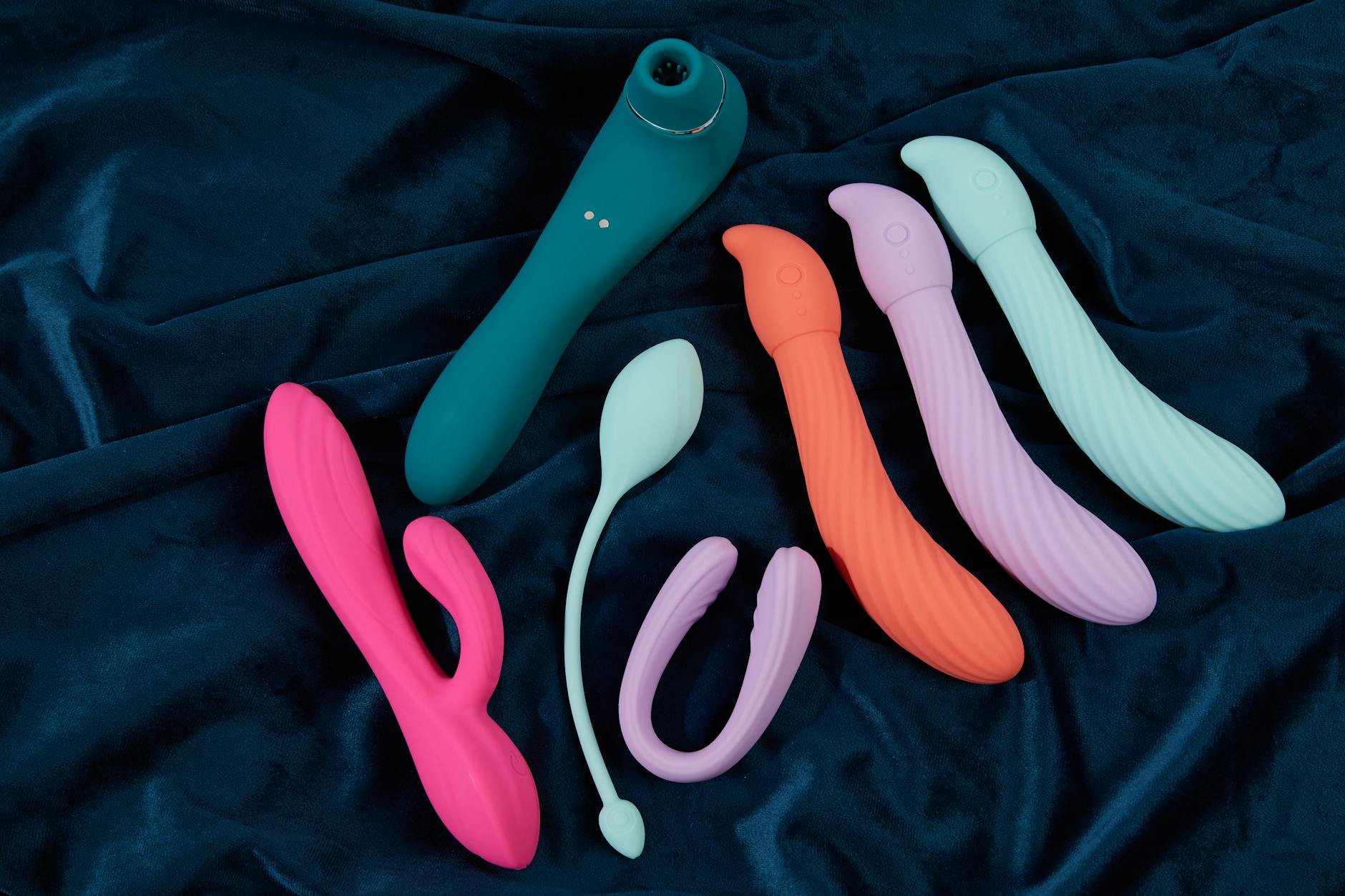
Photo by IFONNX Toys on Pexels
FAQ: Questions people actually ask
Is it normal to have zero interest in sex postpartum?
Completely normal, especially in the first few months. Prolactin suppresses desire. Sleep deprivation flattens it. Touch overload from the baby makes the idea of more touch feel suffocating. If desire hasn't returned by month 6 or 7, it's worth checking in with your healthcare provider about hormone levels. But the first 3 months? That's expected.
Can I use a lemon vibrator if I'm still bleeding postpartum?
No. Wait until bleeding has stopped completely, usually around 4 to 6 weeks. Using anything internally or externally on tissue that's actively shedding increases infection risk. External clitoral stimulation with a vibrator might feel gentle enough to try around week 4, but ask your provider first if you're unsure.
Will using a vibrator make it harder to orgasm with my partner later?
No. If anything, understanding your own arousal patterns and what kinds of stimulation work for you makes partnered sex better, not worse. Many people find they need combined stimulation (penetration plus external vibration) postpartum, and communicating that to a partner actually deepens things.
How long until sex feels normal again?
Physical comfort usually returns by week 8 to 12. Pleasure and desire can take longer, especially if you're breastfeeding. Some people report that their sexuality feels different and better postpartum once they're past the first year. Give yourself at least 6 months before you assume something is permanently wrong.
My partner is frustrated that I don't want sex. What do I do?
That's a conversation, not a timeline issue. Your partner needs to understand that postpartum is a recovery period, not a reward period. You're not withholding sex as punishment. Your body is healing and your nervous system is taxed. If your partner can't make space for that, that's a separate problem worth addressing with a couples therapist.
Is it okay to use a lemon vibrator while breastfeeding?
Yes. Breastfeeding and pleasure can coexist. That said, some people find that using a vibrator triggers letdown or feels weird while their chest is being used for feeding. That's a sensory preference, not a physical problem. Honor what feels right for your body.
The bottom line
Postpartum sexuality isn't about getting back to where you were. It's about meeting yourself where you are and rebuilding from there. Your body changed. That doesn't mean your capacity for pleasure disappeared. It just means you need a different approach, more patience, and possibly different tools.
A lemon clitoral vibrator isn't magic. But it's a practical way to rebuild sensation without pressure, on your own timeline, in a way that feels controlled and safe. Which is honestly what most postpartum bodies need.