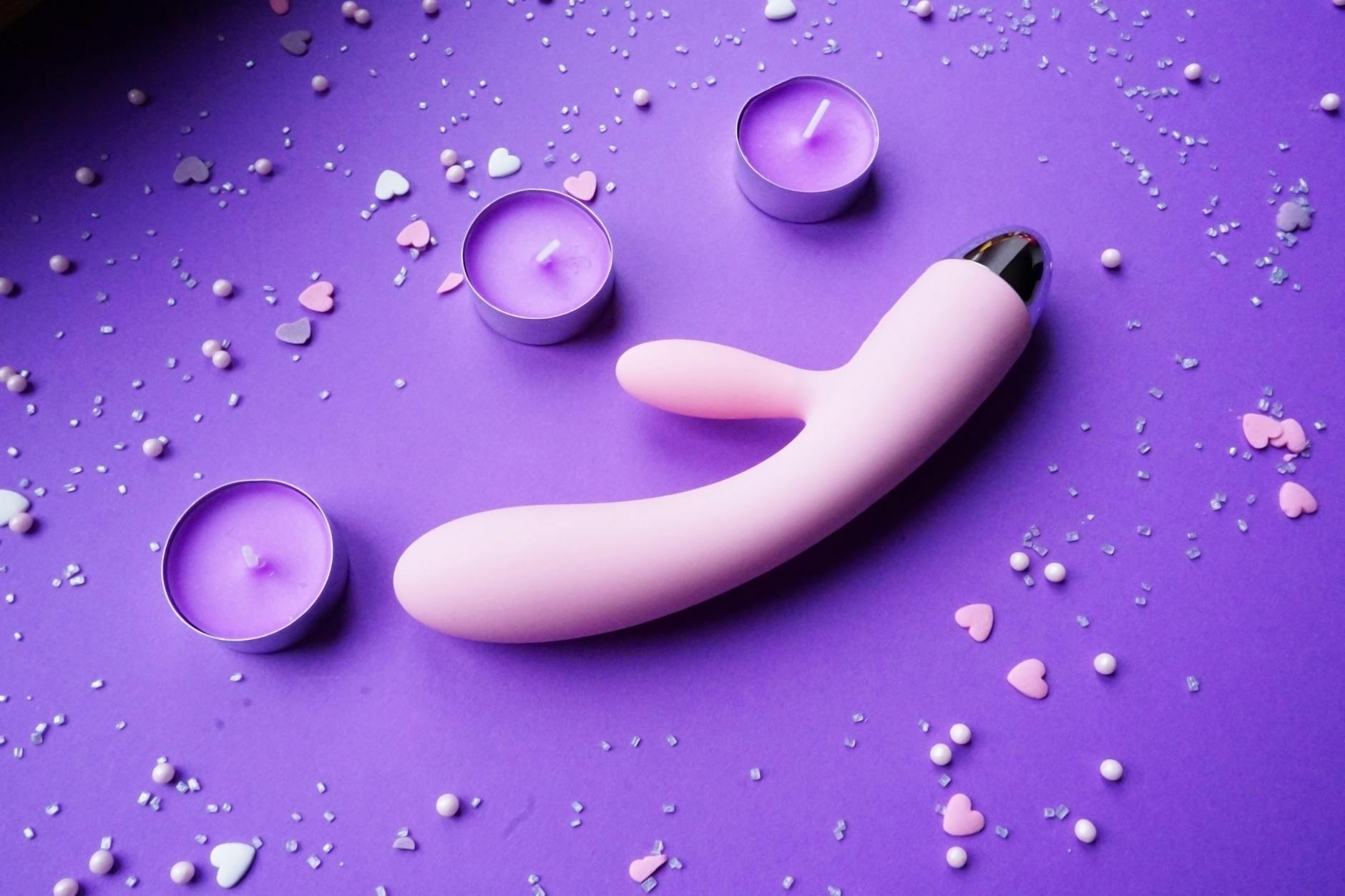
Let's start with the thing nobody talks about
Vaginismus is not a sign that something is broken about you. It's a protective reflex. Your pelvic floor muscles tighten involuntarily in response to anticipated pain, past trauma, anxiety, or sometimes for no identifiable reason at all. The reflex exists to protect you. The problem is it also locks you out of pleasure.
Here's what I see in my practice: people with vaginismus often abandon pleasure entirely because they've learned that any touch near the vagina triggers pain or panic. They assume penetration is pleasure, and since penetration is off the table, pleasure must be off the table too. That's the lie. And it's what keeps people stuck.
Clitoral vibrators, especially the way they work mechanically, offer a way back in.
What vaginismus actually is
Vaginismus is involuntary vaginal muscle spasm triggered by the threat (real or imagined) of vaginal penetration. It's not psychological weakness. It's not a sign your body doesn't want sex. It's a nervous system response, often rooted in past pain, medical trauma, religious conditioning, anxiety, or sometimes a history of sexual assault.
The mechanism is straightforward. Your brain perceives a threat. Your pelvic floor muscles contract as a protective response. That contraction makes penetration uncomfortable or impossible. Over time, the anticipation of pain creates anxiety, which triggers more tension, which deepens the reflex.
Breaking that cycle requires you to rewire your relationship with touch in that area. And that's where lemon clitoral vibrators come in.
Why clitoral stimulation rebuilds confidence
Here's the thing about vaginismus. The vaginal opening is triggering. The thought of anything entering can activate the reflex immediately. But the clitoris exists in a different zone emotionally and neurologically.
When you focus on clitoral pleasure first, you're doing two things at once. You're creating a positive sensory experience in the pelvic region. And you're proving to your nervous system that touch there can feel good, not threatening.
Clitoral vibrators like the Lem work through suction and pulsation rather than insertion or friction. That's crucial. There's no penetrative element. There's no pressure to relax around anything entering. You're in complete control of the experience.
Most people with vaginismus find that clitoral pleasure alone is deeply satisfying. When they later explore penetration (with a partner, on their own, or not at all), it's from a place of genuine desire, not obligation.
How air-suction technology helps specifically
Traditional vibrators create stimulation through rapid vibration. Some people with vaginismus find that overwhelming or anxiety-triggering. The sensation is too intense, too reminiscent of the panic they're trying to move through.
Air-suction devices work differently. Instead of vibration, they use gentle pulsing suction. The sensation is more localized and rhythmic. Many people describe it as gentler, more focused, and less likely to trigger the anxiety response.
The Lem, which is Hello Nancy's lemon vibrator, uses pulsing air technology. It sits on the clitoris without entering anything. You control the intensity with up to eight different settings. You can start at the lowest setting and move up only when you feel ready.
That graduated control is essential for vaginismus recovery. Your nervous system needs proof that you're safe. Proof that you can pause, that nothing will escalate without your consent.
The nervous system reset that happens
When you use a clitoral vibrator consistently, you're essentially running a exposure therapy protocol on your own terms. Your brain registers pleasure in the pelvic zone. Arousal becomes possible. The tight muscles begin to relax because they're learning that sensation here doesn't equal pain.
I recommend starting in a context that feels completely safe. Maybe alone, maybe with a partner present but not engaged. Definitely not with any expectation of penetration or performance.
Try this: spend five to ten minutes with the vibrator at the lowest setting. Notice what your body feels. If anxiety rises, pause. If pleasure emerges, stay there. There's no goal except to create a positive association.
Over days or weeks, your threshold shifts. What felt anxiety-provoking becomes neutral. Then pleasurable. Then deeply satisfying.
How partners can support this process
If you're in a relationship, your partner's role matters. Some people need their partner to understand that clitoral exploration is not a stepping stone to penetration. It's its own valid destination.
Other people benefit from solo exploration first, then introducing the vibrator with their partner present but uninvolved. And some couples find that using the lemon vibrator together, with the partner witnessing pleasure rather than trying to provide it, deepens intimacy in unexpected ways.
The conversation with your partner should be clear: we're rebuilding safety in this part of your body. Pleasure is the goal, not penetration. If penetration happens later, wonderful. If it doesn't, that's completely okay.
When to work with a pelvic floor physical therapist
Vibrators are powerful tools for pleasure recovery. They're not a replacement for professional care if vaginismus is severe. A pelvic floor physical therapist trained in vaginismus can teach you pelvic floor relaxation techniques, help you identify tension patterns, and guide you through graduated exposure work.
Therapy and clitoral vibration work together. I typically recommend starting with a few sessions with a specialist to understand your specific pattern, then using tools like a lemon clitoral vibrator for home practice between appointments.
If you're also carrying trauma, consider working with a trauma-informed therapist alongside pelvic floor PT. The nervous system often needs attention at multiple levels.
What pleasure looks like after vaginismus
Many of my clients report that reclaiming clitoral pleasure is transformative. Some discover that they prefer clitoral orgasm to penetrative sensation. Some find that once they rebuild confidence and sensation, penetration becomes possible and enjoyable, but only as an option, not a requirement.
The key shift is agency. Your pleasure is yours. Not your partner's responsibility. Not your body's failure if penetration doesn't feel good. Not a measure of your sexuality or desirability.
A lemon vibrator, combined with patience and the right support, can be the bridge back to your own sensations.
Frequently asked questions
Can using a clitoral vibrator make vaginismus worse?
No, not if you're using it in a low-pressure context. The anxiety spike happens when there's an expectation of penetration or when you're trying to force relaxation. Using a vibrator purely for clitoral pleasure, with zero expectation of anything penetrating, actually teaches your nervous system that sensation in that area can be safe and pleasurable.
How long does it take to see improvement?
That varies widely. Some people notice a shift in a week or two. Others take months. It depends on the severity of the vaginismus, whether there's underlying trauma, and how consistently you practice. The important part is showing up without judgment. You're rewiring years of conditioned fear.
Is a lemon vibrator better than other types for vaginismus?
Lemon clitoral vibrators, particularly air-suction models like the Lem, work well for many people because they're non-insertive, localized, and gentle. That said, the best vibrator is the one that feels good to you. Some people prefer traditional vibration. Some prefer a wand. Try a few options if you can, or start with the Hello Nancy Lem and see how it fits your body and your healing process.
Can I use a vibrator if penetration causes me pain?
Yes. Clitoral vibrators don't require any insertion. They sit on the external clitoris. If you have pain with penetration due to vaginismus, a clitoral vibrator is actually a perfect starting point because it completely sidesteps the trigger.
Should my partner be involved when I first try a vibrator?
That's entirely your choice. Some people feel more comfortable exploring alone first. Others feel safer with their partner present but not involved. And some people feel supported by their partner participating. There's no right answer. Honor what your nervous system needs.
Will using a vibrator help me have better orgasms with my partner later?
Often, yes. When you spend time learning what feels good clitorally, you bring that knowledge into partnered intimacy. You can show your partner what works. You're more aroused and confident. But again, vibrator use is valuable whether or not partnered intimacy ever happens.