When a relationship goes quiet
Let's be real. Disconnection doesn't usually announce itself with a bang. It's the gradual fade. A few nights where you're both scrolling. Sex that happens, if it happens, feeling more like logistics than longing. You still love each other, but somewhere between work stress and daily routines, the wanting each other part got buried.
Here's the thing nobody tells you: pleasure is a direct line back. Not a substitute for the hard conversations you need to have, but a physical reminder that your body and your partner's body are still there, still capable of sensation, still worth paying attention to.
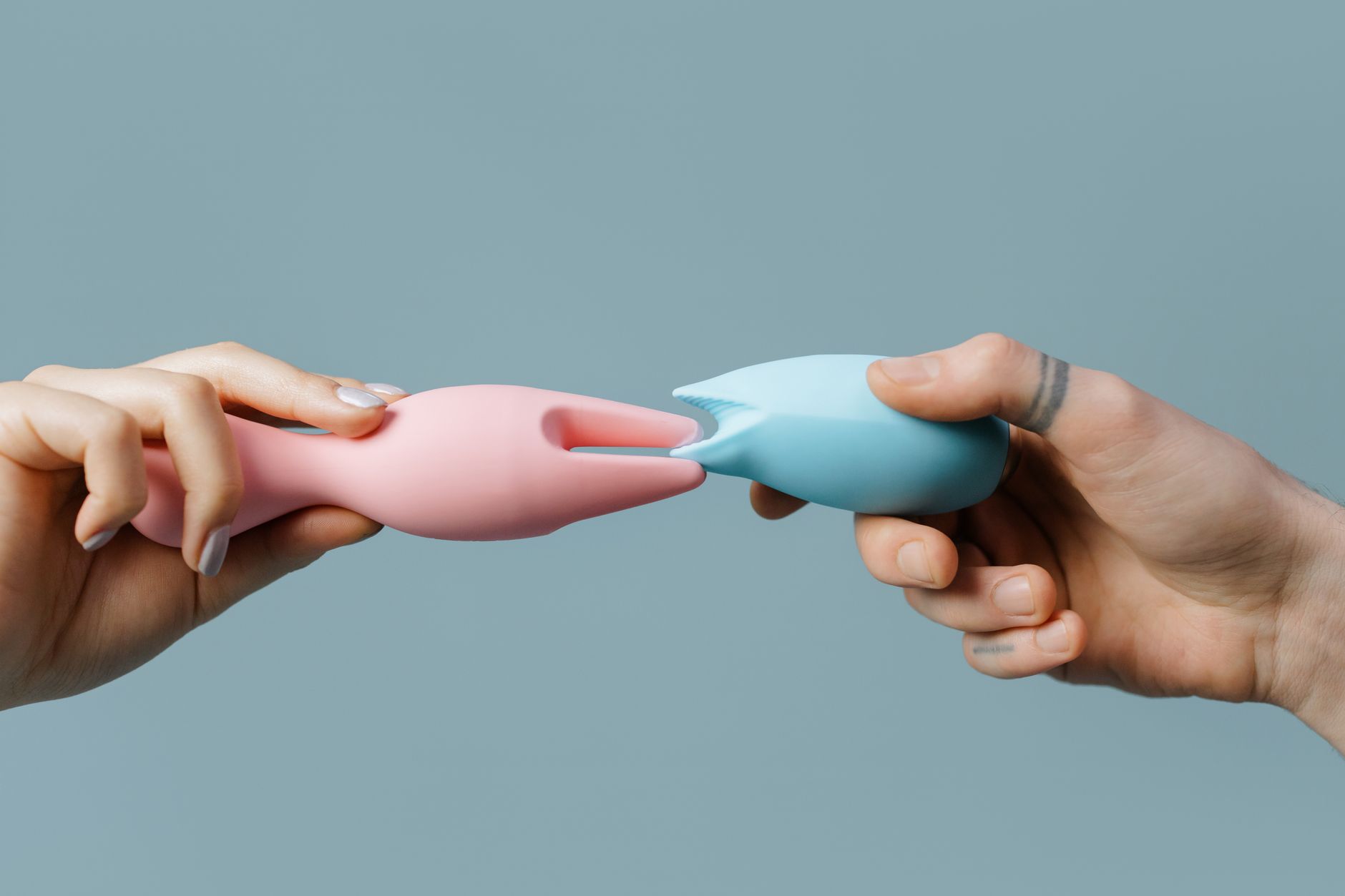
That's where tools like a lemon vibrator come in. Not as a bandage, but as an invitation.
Why disconnect happens in long-term relationships
Research from the Gottman Institute shows that emotional distance is the strongest predictor of later relationship problems, not conflict itself. Couples who stop touching, stop being curious, stop being playful drift into a kind of flatness that feels impossible to reverse.
But here's the plot twist: touch and pleasure can actually interrupt that pattern. When you use a lemon vibrator together or introduce it into your solo routine and share what you discover, you're breaking the silence. You're saying "I still want to feel good, and I want to be seen while doing it." That's fundamentally different from the disconnected sex that happens out of obligation.
Starting alone (this matters more than you think)
Before bringing pleasure tools into partnered sex, I almost always recommend exploring them solo first. Here's why: when you feel disconnected from your partner, you often feel disconnected from your own body too. Numbness spreads.
Using a lemon clitoral vibrator on your own does three things. First, it reminds your nervous system what pleasure feels like without performance pressure. Second, it gives you information. What patterns work? How long does arousal actually take for you right now? What does your body respond to? Third, it creates something to share.
Start with the lowest setting. Spend 10-15 minutes just noticing sensation, not chasing orgasm. This isn't meditation, but it's not a sprint either. The lemon vibrator's suction pattern is gentler than straight vibration, which matters when you've been numb. Your tissue remembers pleasure slower than you remember it in your head.
The conversation before you bring it to bed
This is where most couples fumble. They either bring a vibrator into partnered sex without context, which can feel like an ambush, or they ask "wanna try this?" while both feeling already awkward about the distance.
Instead, have the conversation outside the bedroom. Maybe over coffee, maybe on a walk. Not in the moment when you're both supposed to be aroused. Say something like: "I've been thinking about us. About how disconnected we've felt. I'm wondering if we could try something that might help us both remember how to be playful together."
Listen to what they say. If they're resistant, don't push. That resistance is data too, and it points to a deeper conversation about what the disconnection actually means to each of you.
If they're open, explain what you've discovered using the lemon vibrator alone. Not in graphic detail, but honestly. "I realized how much tension I was holding" or "It helped me remember what my body actually wants." This normalizes pleasure as something restorative, not transgressive.
Using it together: three approaches
Approach one: You take the lead. You use the lemon vibrator on yourself while your partner watches and touches you elsewhere. your thighs, your neck, your breasts. This breaks the numbness by creating new stimulation patterns. Your partner is present and engaged without being responsible for your pleasure, which actually takes a lot of pressure off.
Approach two: Mutual exploration. If you both have clitorises, take turns using the vibrator on each other. Start on a low setting. Pay attention to what makes your partner's breath change. This is foreplay in its truest form. It's not about orgasm; it's about rekindling curiosity.
Approach three: Integrated play. Use the lemon vibrator as part of penetrative sex, if that's part of your repertoire. Many couples find this reconnects them because it combines the closeness of penetration with the direct stimulation that's often been missing. The suction sensation of a lemon vibrator pairs differently than straight vibration, which can make familiar sex feel new.
Managing expectations (this is crucial)
Disconnection doesn't reverse in one encounter. Don't set up the first time using a lemon vibrator as the moment everything clicks. That's a setup for disappointment.
Instead, think of it as the first conversation in a longer dialogue. You might feel awkward. You might laugh. One of you might not orgasm. That's all fine. The point is that you're both showing up and trying, and that alone is intimate.

Photo by cottonbro studio on Pexels
When solo pleasure feeds the relationship
Here's something that might sound counterintuitive: using a lemon clitoral vibrator alone actually strengthens your partnered sex. When you know what you like, when you're not depending entirely on your partner to figure you out, you bring less resentment to the bedroom. You're not performing for them; you're inviting them into something you already know is good.
Talk about what you discover. Not every detail, but the shape of it. "That pattern on setting two does something for me I haven't felt in ages." Your partner probably wants to know that. And if you're using a lemon vibrator solo, share that too. "I had some good time with myself this morning." It doesn't have to be sexy language. Matter-of-fact is actually better. It normalizes pleasure as part of your life, not a secret.
The deeper work still matters
I want to be clear: a lemon vibrator is a tool, not a therapist. If the disconnection runs deep, if there's resentment about unmet needs or unresolved conflict, pleasure alone won't fix that. You'll still need to talk about what's actually bothering you. How Lemon Vibrators Help When You Feel Numb After Years of Penetrative Focus covers some of that numbness work from a different angle.
But pleasure can be the entry point. It's easier to reconnect through your body sometimes than through words. And once you've remembered what wanting feels like together, the conversations often get easier too.
The rhythm of reconnection
Think of rebuilding intimacy in phases. Week one, you explore solo. Week two or three, you talk about it. Week four, you try it together, with zero performance pressure. Low lights, maybe music, definitely no phones. Let it unfold slowly.
If it goes well, you might find that using a lemon vibrator becomes part of your regular rhythm. Some couples use it weekly. Others pull it out when they notice the distance creeping back in. There's no "right" frequency. But the couples who maintain connection tend to be the ones who stay playful, who aren't afraid to introduce novelty, who ask "what do you want?" instead of assuming they know.
When to bring in more help
If you've had the conversation, you've tried using a lemon vibrator together, and the disconnection still feels vast, that's a sign you might benefit from couples therapy. I'm not saying that to be alarmist. I'm saying it because disconnection that persists despite genuine effort to reconnect often points to something deeper: an unmet need, a past hurt, a fundamental mismatch in what you both want from the relationship.
A skilled therapist can help you understand what the distance is actually protecting. Sometimes it's protecting you from vulnerability. Sometimes it's a symptom of depression or burnout. Sometimes it's telling you something important about whether this relationship still fits. A lemon vibrator won't answer those questions. But it can help you get curious enough to ask them.
FAQ: Reconnecting with pleasure
Does using a vibrator together actually help with emotional disconnection?
It's not magic, but it helps. Touch and pleasure activate your parasympathetic nervous system, which is where bonding happens. When you're both relaxed and present, you're more likely to feel close. The key is that both people have to actually want it. If one partner is doing it just to appease the other, it'll feel hollow. Genuine desire from both sides is what creates the shift.
What if my partner thinks using a lemon vibrator means I'm not satisfied with them?
That's a real fear for some people, and it's worth addressing directly. You might say something like: "A lemon vibrator isn't about you not being enough. It's about us both getting to experience pleasure in a new way. It's something we're doing together, not instead of each other." If they're still uncomfortable, pushing won't help. But sometimes just knowing you weren't trying to hurt or shame them can soften their resistance.
Can using toys help if we've stopped having sex altogether?
Yes, often. If sex has completely stopped, reintroducing touch and pleasure with a lemon vibrator can feel less high stakes than "real" sex. It's foreplay without the pressure of where it has to lead. That lower pressure sometimes makes it easier to start again. But honestly, if you've stopped having sex entirely, there's usually a reason worth exploring. A vibrator is a helpful restart button, not a cure for a deeper issue.
How often should we be using a lemon vibrator together?
There's no prescription. Some couples find weekly feels natural. Others use it less frequently but consistently. The point is regularity enough that it becomes part of your intimate rhythm, not a special-occasion thing. When it's something you can reach for without it being A Whole Thing, that's when it's truly integrated.
What if we try this and it makes the disconnection feel worse?
That can happen, and it's actually useful information. It usually means the disconnection is about something other than physical pleasure. Maybe there's been a betrayal, or a fundamental incompatibility, or depression that's numbed you both. In that case, How Lemon Vibrators Help When You Feel Numb After Years of Penetrative Focus might resonate, but what you probably actually need is a conversation with a therapist. That's not failure. That's getting honest about what reconnection actually requires.
Is it ever too late to rebuild intimacy?
Not necessarily, but it depends on whether both people are willing. Disconnection is reversible if both partners care enough to address it. A lemon clitoral vibrator can be part of that reversal, but it requires the harder stuff too: vulnerability, curiosity, willingness to be seen. If one person has already checked out, no tool will bring them back. But if you're both still wanting to try, pleasure is a powerful place to start.
The invitation
Disconnection feels permanent while you're in it. But it's actually just a pattern that's been reinforced over time. And patterns can shift. A lemon vibrator won't do that work for you, but it can be the thing that makes you both say "okay, we're trying." And that's where reconnection begins.
If you're ready to take that step but need guidance on choosing the right tool, our buying guide walks through what matters. Or if you want to talk through what might work best for your specific situation, reach out. I'm here to help you find your way back to each other.