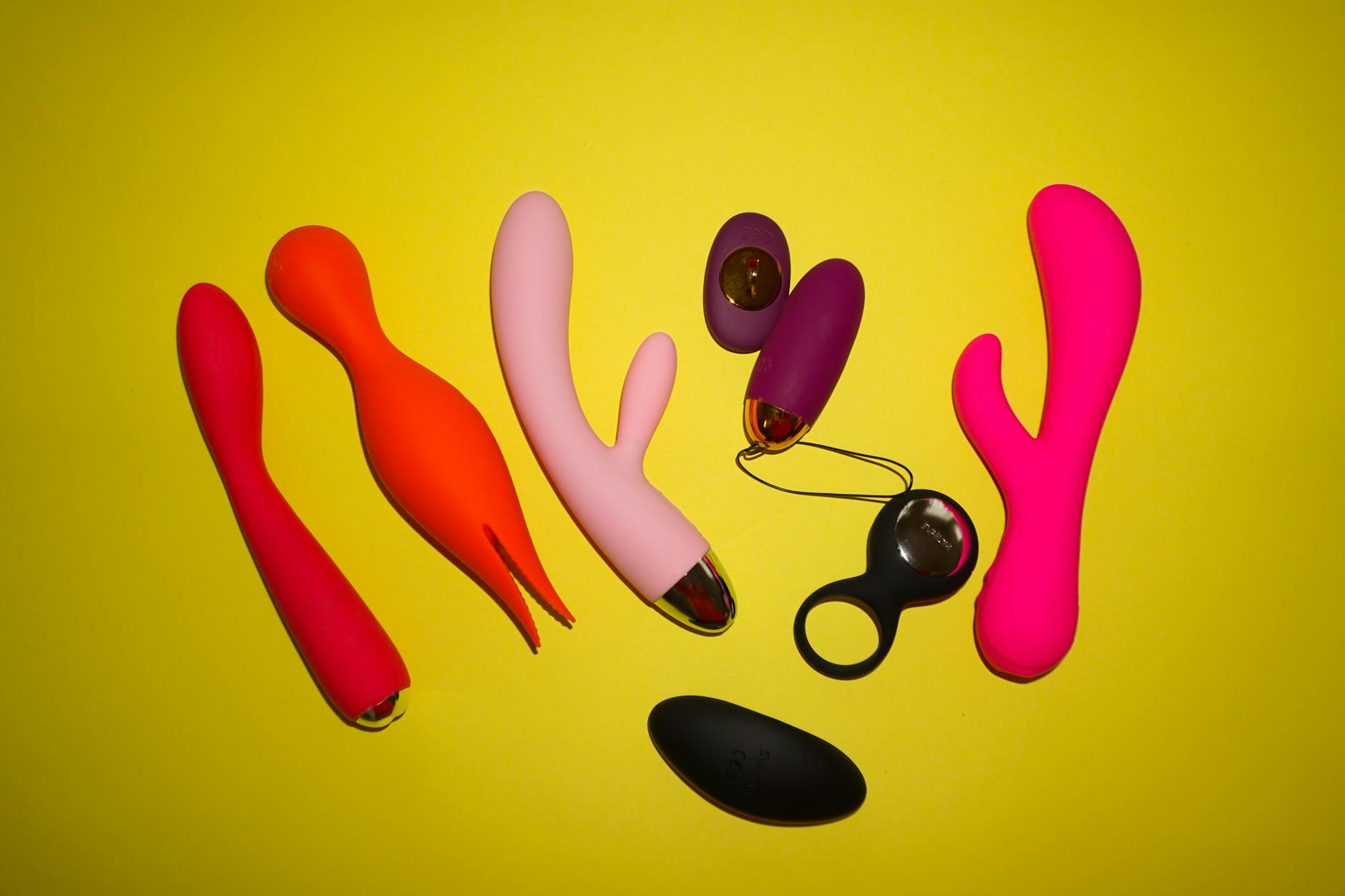
The part nobody talks about: your pleasure after delivery
Let's be real. The conversations about postpartum recovery focus on bleeding, stitches, sleep deprivation, and whether your body "bounces back." What almost nobody mentions is that your pleasure doesn't just pause during recovery. It often feels completely foreign when you're ready to return to it.
Your pelvic floor has been stretched, possibly torn, potentially stitched. Your hormones are in free fall. If you're breastfeeding, your skin feels touched-out before anything sexual even begins. The physical sensation in your vulva is different. Sometimes it's numb. Sometimes it's hypersensitive. Penetration might trigger phantom pain from stitches that healed months ago. And here's the part that surprises people: a lemon clitoral vibrator often feels easier to return to than your previous approach did, because it works with what your body is actually capable of right now, not what it used to be.
Why postpartum sensation changes so dramatically
Three major things happen to pelvic tissue and nerve sensitivity after vaginal delivery:
Nerve inflammation and reset. The nerves in your vulva have been through significant stress. Some become temporarily less responsive. Others become hypersensitive as part of the healing process. This doesn't mean sensation is gone. It means the map has shifted.
Estrogen drop. Whether you're breastfeeding or not, your estrogen levels plummet after delivery. Even if you weren't hormonally sensitive before pregnancy, this sudden drop changes tissue thickness and lubrication. The clitoris is particularly responsive to estrogen fluctuation.
Pelvic floor tension and guarding. Your pelvic floor muscles have been working overtime. They're often tight, sometimes painfully so. A tight pelvic floor can muffle sensation because the muscles are essentially braced against pleasure. This isn't psychological. It's protective tension your body learned during labor and delivery.
The bright spot: all of these changes are temporary. They resolve within weeks to months. But during that window, trying to return to your old vibrator or approach often feels frustrating or even painful.
Why a lemon vibrator works better during early postpartum recovery
A lemon clitoral vibrator, like the one from Nancy Lem, is specifically designed to stimulate through suction rather than direct vibration or friction. This matters enormously when you're healing.
Less direct pressure. Traditional vibrators apply vibration directly to tissue. When your vulva is swollen, tender, or hypersensitive, that direct contact can feel overwhelming or trigger phantom pain. Suction-based stimulation works differently. It creates a gentle pulling sensation that stimulates the clitoris without the harsh mechanical buzz. Your healing tissue doesn't have to tolerate as much pressure to experience strong sensation.
Works with numbness instead of against it. If parts of your clitoris feel numb, suction engages deeper nerve pathways. The pulling sensation reaches sensory receptors that direct vibration might miss when everything feels flat. This is why many people report that a lemon sucker-style toy "wakes up" sensation that seemed completely gone.
Easier to control intensity. Suction-based toys typically have gentler entry-level settings. You can start at pattern 1 and genuinely explore low-intensity stimulation without feeling like the toy is either on or off. This matters when you're rebuilding your sense of what feels good after months away.
The actual timeline: when to start, how to progress
Your doctor will likely clear you for sex at around six weeks postpartum, assuming vaginal delivery without complications. Clearing you for penetration doesn't mean everything is ready. Clitoral stimulation often feels better earlier than penetration does.
Weeks 4-6 postpartum: If you have the urge and your bleeding has substantially stopped, exploring clitoral pleasure with a toy is often more comfortable than with a partner's hands or penetration. A lemon clitoral vibrator at the lowest setting, with generous lubrication, can feel gentle and manageable. You're not forcing anything. You're exploring what sensation exists right now.
Weeks 6-10: Most people find that sensation is beginning to normalize. Swelling has reduced. Stitches are fully healed. This is when many users find that a lemon vibrator becomes genuinely pleasurable rather than just tolerable.
Weeks 12 and beyond: You're typically back to experiencing orgasm, though it might feel different. Some people report that orgasms feel more localized or quieter than before. That's normal. Some report that they're actually more intense because there's less pelvic floor guarding. The variation is huge. A lemon sucker gives you the freedom to explore at your own pace.
Three ways to use a lemon vibrator when you're still in early recovery
Start with external exploration only. Don't aim for orgasm on day one. Use the toy on the lowest setting to explore your outer vulva, your clitoral hood, the sides of your clitoris. Pay attention to which areas feel sensitive versus numb. This sensory mapping takes pressure off performance and helps you understand what's actually healed.
Use it during partner time without penetration. If you have a partner, a lemon clitoral vibrator lets them focus on your pleasure without you having to manage penetration before you're ready. You can be relaxed, receive stimulation, and rebuild your sense of yourself as a sexual person. Many people find that this shifts the entire postpartum recovery conversation with their partner.
Pair it with a body-safe lubricant, always. Postpartum tissues are already drier and more delicate. Even if you never needed lube before, using it now prevents friction and makes the experience genuinely comfortable. Water-based lube is essential. Reapply often. This is not a sign that something is wrong. It's intelligent pelvic care.
The mental piece: relearning yourself
Here's what I see in my practice constantly. The physical healing matters. The permission to explore at your own pace matters more.
Most people approach postpartum pleasure like a test. "Can I still do this? Does it still work? Am I still the person I was?" The answer to all three is usually no, and that's fine. You're not. Your body changed. Your nervous system changed. You've been touched and needed constantly by a small human. The last thing you need is a toy that demands you perform your old self.
A lemon clitoral vibrator, because it's gentle and intuitive, often becomes permission to explore "What does pleasure feel like now?" instead of "Can I get back to pleasure?" That shift is everything.
Your body didn't break during pregnancy and delivery. It transformed. Learning to pleasure that transformed body is part of coming back to yourself, not proving you never left.
What to avoid during early postpartum recovery
Don't use toys that require penetration until you feel genuinely ready. Don't aim for orgasm as a measure of success. Don't assume that if something hurts, you should push through it. Pain during postpartum pleasure usually signals healing tissue, and pushing triggers protective guarding that makes the next experience harder.
Don't compare your recovery timeline to anyone else's. Some people feel ready to explore pleasure at three weeks. Some take four months. Both are completely normal. Your body has its own recovery pace.
If pain during any kind of sexual touch persists beyond three months postpartum, or if you're experiencing sharp pain during suction stimulation, talk to your OB-GYN or pelvic floor physical therapist. Postpartum pain often resolves with pelvic floor PT, and it's worth getting professional support.
When a lemon vibrator becomes part of reconnection with your partner
If you have a partner, bringing a clitoral vibrator into the picture during early recovery often transforms the whole dynamic. It removes the pressure for you to perform the old version of sex. It gives your partner a clear role: they can be present, intimate, and involved in rebuilding pleasure without you having to manage penetration before you're ready.
As you heal, many couples find that continuing to use a lemon vibrator together deepens connection. You're exploring new sensation together. You're not trying to recreate the past. You're building something post-baby that's actually tailored to who you both are now.
If you're solo, a lemon clitoral vibrator becomes a bridge back to yourself. A tool for sensory rediscovery that doesn't carry the weight of proving anything to anyone.
FAQ: postpartum pleasure and lemon vibrators
Is it safe to use a vibrator while bleeding postpartum?
Generally, no. During heavy postpartum bleeding (lochia), avoid any internal toys and anything that might encourage more blood flow. Once bleeding has slowed significantly (usually after week 2-3), external clitoral stimulation with a tool like a lemon vibrator is typically safe. When in doubt, ask your OB-GYN at your six-week checkup.
Will using a lemon vibrator delay healing?
No. External clitoral stimulation doesn't interfere with pelvic healing. In fact, gentle sensation often helps normalize nerve function during recovery. What matters is avoiding rough touch, penetration before you're ready, and anything that causes pain.
What if the vibration itself feels overwhelming?
Start with the absolute lowest setting, and consider trying it over your underwear first. Some people find that the fabric buffer makes it feel more manageable during early recovery. As sensation normalizes, you can adjust. If the toy continues to feel overwhelming rather than pleasant, check with your pelvic floor PT. Sometimes postpartum hypersensitivity needs specific treatment.
Can I use a lemon vibrator if I had a C-section?
Absolutely. C-section recovery involves abdominal and uterine healing, not pelvic floor trauma. External clitoral stimulation is usually safe much earlier in C-section recovery, though you'll still want to avoid anything involving your abdomen. Always confirm with your surgeon before returning to sexual activity.
How long until pleasure feels normal again?
It varies wildly. Some people feel like themselves at eight weeks. Some take six months. Hormone fluctuation, breastfeeding status, sleep deprivation, emotional recovery, and your relationship all play roles. There's no normal. There's only your timeline.
Should I tell my partner I want to use a vibrator during recovery?
Yes. This conversation isn't about your partner being inadequate. It's about acknowledging that your body has changed and needs a different approach right now. Frame it as collaborative: "I want to explore what feels good to me now, and I'd love to do that with you present." Most partners are relieved to have a clear path forward.
Starting over doesn't mean starting from zero
Postpartum pleasure feels foreign because it is. Your body went through something profound. A lemon clitoral vibrator, with its gentle suction design and intuitive controls, often becomes the tool that makes rebuilding feel manageable rather than fraught. It's not about getting back to who you were. It's about discovering who you are now, and giving yourself permission to do that at your own pace.
Your pleasure matters as much after baby as it did before. It just needs a different approach right now. And that's not a loss. That's intelligence.