The dopamine rebound is real
When you stop antidepressants, your nervous system doesn't immediately spring back to baseline. Sexual numbness was a side effect of selective serotonin reuptake inhibitors (SSRIs) because they dampen dopamine signaling in the reward pathways. Those pathways control arousal, orgasm intensity, and the entire cascade of pleasure. Coming off them means your brain is literally rewiring itself to feel again. This is good news. It's also weird, sometimes painful, and absolutely worth understanding.
Here's what most people don't learn from their doctor: the return of sensation isn't instant or smooth. It's lumpy. Some days feel almost normal. Other days feel muted. And your clitoris might feel hypersensitive one week and numb the next. That's neurotransmitter rebalancing in real time, and it's exactly why trying to jump back into your old sexual patterns feels jarring.
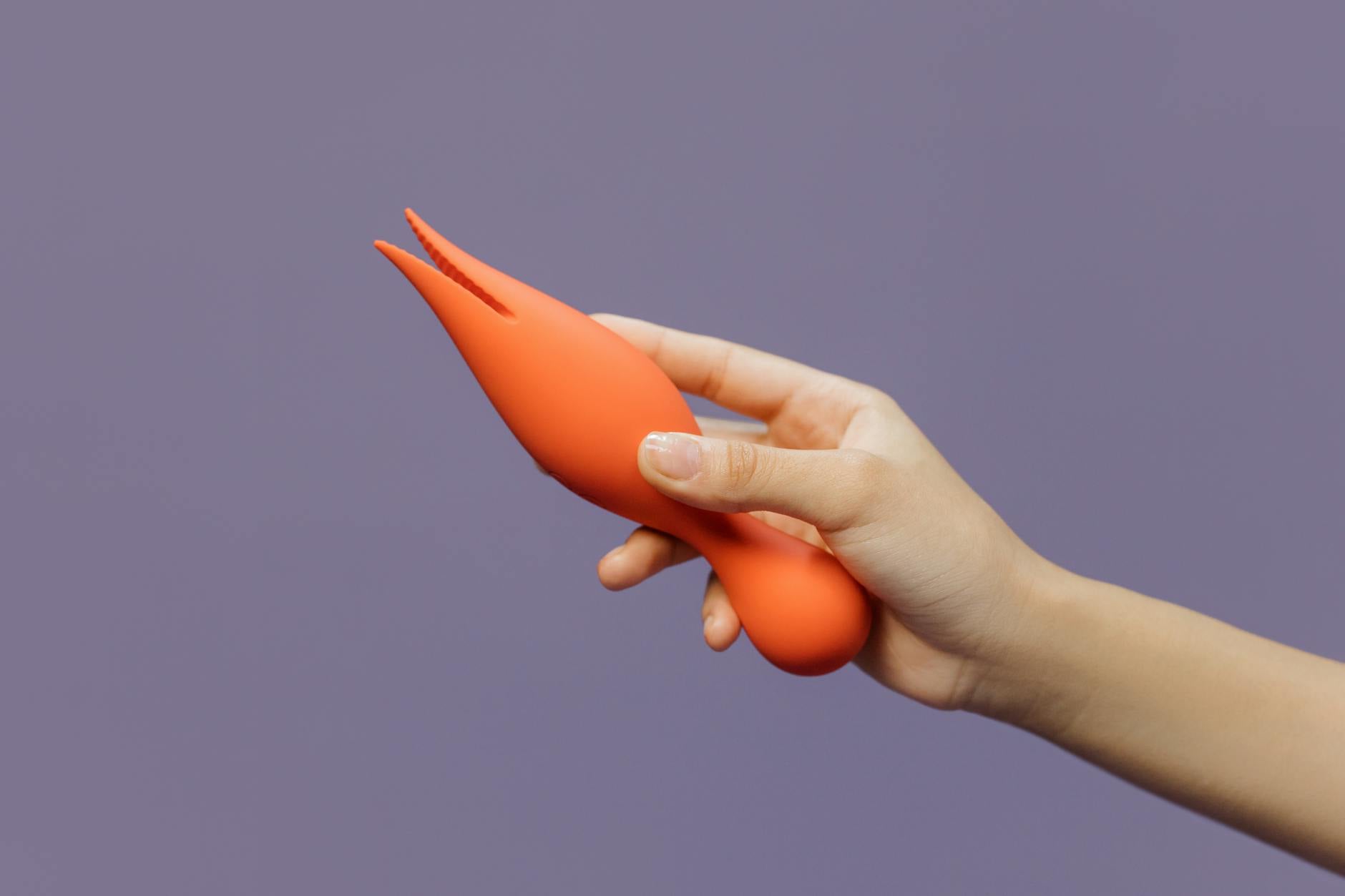
Lemon vibrators, particularly air-suction designs like the Lem, work so well during this transition because they bypass the problem. Instead of relying on your brain's dopamine system to register friction, they stimulate the clitoral nerve bundle in a pattern your body recognizes even when pleasure chemicals are still recalibrating.
Why sensation feels different right now
Antidepressants work by increasing serotonin availability in the brain. The upside is mood stabilization. The downside is collateral dopamine suppression, which kills sexual interest and orgasmic capacity in about 40 to 60 percent of people taking them. Your clitoris didn't stop working. Your brain stopped receiving the signal that it's working.
When you discontinue the medication (with your doctor's guidance, ideally tapering rather than quitting cold), the serotonin levels drop back to baseline over days or weeks. Dopamine starts flowing again. But here's the catch: it doesn't flow evenly. Your reward system is hypersensitive for a while. You might feel aroused at the smallest stimulus one day, then feel nothing the next. Both are normal.
Physically, this means your genital blood flow is returning, your vaginal lubrication might be increasing, and your clitoral tissue is regaining sensation. But psychologically, you're relearning arousal after months or years without it. That's not just biology. That's also learning.
The first week: expect nothing, notice everything
Many people make the mistake of testing their sexual response like it's a pass-fail exam in the first few days after stopping antidepressants. This almost always backfires. Your nervous system is genuinely unstable right now. Pressure to feel something or perform sexually will tank your dopamine further, which is the opposite of what you need.
Instead, spend the first week or two exploring sensation without outcome. Solo or partnered, this means touch that's about discovery, not climax. Your clitoris is waking up. It might feel hypersensitive to direct touch. It might feel completely numb. Both are temporary. The lemon sucker design (the air-pulse technology Nancy Lem uses in its clitoral vibrators) is gentler than traditional vibration because it doesn't rely on direct friction. It creates a seal around the clitoral area and uses gentle suction pulses. Start at the lowest setting. You're not trying to come yet. You're just noticing what registers.
Take your time. Literally. Budget 20 to 30 minutes of solo exploration with your lemon vibrator set to pattern 1 or 2. Pay attention to what feels good, what feels weird, what makes you want to stop. This data is valuable. You're relearning your own body.
Week two to four: introducing pattern and rhythm
Once you've spent a few days noticing baseline sensation, you can start experimenting with the different patterns your lemon clitoral vibrator offers. If you're using a device like the Lem, you'll have multiple suction intensities and rhythmic patterns. Don't jump to the strongest setting yet. Instead, move through each pattern at low intensity and notice which rhythms your body is starting to respond to.
This is where something interesting happens: some patterns will feel more pleasurable than others, and those preferences will shift as your dopamine recalibrates. A pattern that felt perfect on day 15 might feel boring on day 20. That's fine. Your system is remembering what turns it on. Let it.
If you're partnered, this is a good time to bring your partner into the exploration, but with zero pressure around outcome. Show them what you're discovering about your own body. Use the lemon vibrator together. Many people find that the suction sensation feels more approachable with a partner present because it removes the performance anxiety of trying to make something happen alone.
The plateau: when progress feels stuck
Around week three or four, many people hit a wall. Sensation is back, but it's still muted. Orgasm might feel distant or impossible. This is the most vulnerable moment in the recovery process, and it's also the moment when most people give up.
Don't. What's happening is your dopamine system is stabilizing at a new baseline, but it's not yet at full capacity. Adding stress or pressure makes it worse. The best tool here is patience plus the right physical stimulus. A lemon vibrator keeps the stimulus consistent and reliable when your brain isn't fully cooperating yet.
One specific strategy that helps during this phase: use your lemon clitoral vibrator in a different context. If you've been exploring solo in bed, try the shower. If you've been focusing on intense sensation, try long, slow exploration without a time limit. Context shifts rewire your arousal associations and can jar loose the dopamine that's stuck in neutral.
The breakthrough: patience actually works
Most people report that by week six to eight off antidepressants, something shifts. It's not dramatic. You're not suddenly back to pre-medication sexual capacity. But arousal starts happening more quickly. Orgasms, when they come, feel more intense. And the sensation of numbness lifts.
This is the phase where your lemon vibrator becomes less of a therapeutic tool and more of a pleasure tool. You might start experimenting with longer sessions, different settings, partnered use, or fantasy integration. Your body is remembering what it felt like to be turned on, and your brain is rewiring pleasure pathways that antidepressants suppressed.
Managing expectations with a partner
If you're in a relationship, your partner probably wants to help you feel better and wants things to go back to normal sexually. Both of those impulses are kind and also potentially counterproductive. The best thing a partner can do is understand that this is a neurochemical reboot that can't be rushed. You're not broken. You're not being difficult. Your dopamine is literally still reorganizing.
Use language that's clear: "I'm still adjusting. This isn't about you or our connection. My nervous system is rebooting." Show your partner your lemon vibrator and explain that it helps you explore sensation safely without pressure to perform. Many partners find this actually opens up conversation about pleasure that wouldn't have happened otherwise.
When to check back with your prescriber
If you're at week eight and sensation still hasn't returned, or if you're experiencing pain during sexual contact, loop in your doctor. Sometimes the sexual side effects of antidepressants linger longer than the mood effects. Sometimes they're masking something else. There are strategies: switching to a different antidepressant class, adding a medication that counteracts sexual side effects, or adjusting your dose. None of these require suffering in silence.
Similarly, if stopping the antidepressant has triggered depression or anxiety again, that's important to address. Your sexual pleasure recovery won't stick if your mental health is collapsing. The goal is both: mood stability plus the ability to feel pleasure. Your doctor can help you find that balance.
The lemon vibrator as a bridge, not a crutch
Here's what I want you to know: using a lemon clitoral vibrator during this recovery phase isn't a sign that something's wrong with you or your recovery. It's smart. A device designed specifically for clitoral stimulation, like the Lem's suction technology, gives your nervous system reliable input while your dopamine is recalibrating. Over time, you'll probably notice that you need the intensity less frequently, that your body responds to touch more easily, and that arousal is becoming more autonomous again.
That's the trajectory. Not "normal" by some arbitrary standard, but functional, pleasurable, and uniquely yours.
Your sexual response is coming back. It just needs the right conditions: patience, exploration without pressure, and tools that work with your recalibrating nervous system rather than against it.
Frequently asked questions
How long does it take for sexual sensation to return after stopping antidepressants?
Most people report noticeable improvement within four to eight weeks, but full sensation recovery can take three to six months. Everyone's timeline is different depending on how long you were on medication, which SSRI you took, and your individual neurochemistry. The dopamine system doesn't have a clock. Be patient with yourself.
Can I use a lemon vibrator while I'm still on antidepressants?
Absolutely. Some people use lemon clitoral vibrators while taking SSRIs specifically because the suction stimulation bypasses some of the dampening effects. If you're still medicated and want to explore, a lemon vibrator is a safe, low-pressure way to reconnect with sensation without adding pressure to perform.
Why does air-pulse suction work better than regular vibration during this phase?
Regular vibrators rely on direct friction and your brain's ability to register that friction as pleasure. During dopamine rebalancing, that signal is weak. Air-pulse suction (like the Lem uses) stimulates the clitoral nerve bundle through a pattern of gentle suction rather than vibration. It's a different neural pathway, and many people find it registers even when traditional vibration feels numb.
What if I'm experiencing pain instead of numbness?
Pain is a different issue and should be addressed with your doctor. It could indicate vulvovaginal atrophy (common after long-term antidepressant use), infection, or another underlying condition. Don't try to push through it with a vibrator. Get it checked first.
Should I tell my partner I'm using a lemon vibrator during this recovery?
That depends on your relationship and your comfort level. But I'd argue yes, because honesty actually reduces pressure. When your partner understands that you're using a tool to help your nervous system recalibrate, it reframes the conversation from "something's wrong with our sex" to "we're supporting your health together." Many couples find this actually deepens intimacy.
What if sensation never fully returns?
It usually does, but not always to exactly where it was before medication. Some people report that their sexual response is slightly different post-antidepressant, and that's okay. Different isn't worse. It might actually be better. If you're concerned that something isn't progressing, talk to your doctor and consider working with a sex therapist who understands medication side effects. They can help you rebuild a sexual life that works for your current nervous system.
Coming off antidepressants is a legitimate medical and emotional transition. Your sexual pleasure matters in that recovery. A lemon vibrator isn't a substitute for patience, good communication, and professional support. But it's a remarkably effective tool for the in-between phase, when your brain is rewiring and your body is waking up. Trust the process. Your pleasure is coming back.