
Let's start with what low sex drive actually is
Low libido is not lazy. It's not you being broken, cold, or a bad partner. Low sex drive is a signal. Sometimes it's telling you something real needs to change (a relationship dynamic, a boundary, the work you're doing). Sometimes it's a medical message (hormones, medication, sleep, stress levels). Sometimes it's both at once.
What makes low libido so isolating is that it feels like a problem you should solve alone. You can't. The solution lives in the gap between what you want to feel and what you're actually feeling. And that gap is where a lemon vibrator can do genuinely interesting work.
I want to be clear: a vibrator won't fix a dead relationship, and it won't erase the actual reasons your desire has flatlined. But it can lower the activation energy required to remember what pleasure feels like. That matters more than you think.
Why low libido makes vibrators feel like they're not working
Here's the trap. When your sex drive is low, you approach a lemon vibrator the same way you approach sex with a partner: as a performance. You think "I should want this, so let me make myself want this." That's backwards.
When arousal is already depleted, the brain doesn't respond to intensity or novelty the way it does when you're already warmed up. A lemon clitoral vibrator running at full suction intensity on a body that's been stuck in neutral for weeks? That's like pressing the gas pedal on an engine that's been idling so long it might stall.
The device isn't the problem. The approach is.
So let's fix that.
Start with zero expectation
This is the hardest part, and the most important. Your job this week is not to orgasm. Your job is not to "get in the mood." Your job is to spend 10 minutes with a lemon vibrator and pay attention to what you notice.
That's it.
Notice if anything feels good. Notice if nothing does. Notice if you're thinking about grocery lists instead. All of that is data. None of it is failure.
When low libido has stolen pleasure from you, the path back doesn't start with intensity. It starts with curiosity. A lemon sexual toy in low mode (pattern 1 or 2) held against the clitoris for 5 to 10 minutes while you're lying down, doing absolutely nothing else, is enough. You're not performing for anyone. You're not trying to reach a finish line.
You're just checking in.
Build the physical conditions that allow desire to emerge
If you're running on empty elsewhere, you won't have much to give to pleasure. I can't write a prescription for rest, but I can tell you what I see in my practice over and over: low libido lifts when one of these three things shifts.
Sleep first. I mean this sincerely. If you're sleeping 5 to 6 hours a night, your sex drive isn't low. You're exhausted. A lemon vibrator won't fix sleep debt. A different sleep schedule might.
Stress second. Chronic stress literally shuts down the parts of your brain that generate desire. If your low libido coincides with a promotion, a sick parent, financial pressure, or a relationship conflict you haven't named out loud yet, the vibrator is not the problem to solve first.
Movement third. I don't mean exercise as punishment. I mean 20 minutes of walking, stretching, or dancing to music you love. Moving your body increases blood flow, releases endorphins, and reminds your nervous system it's safe to feel things. Then the lemon clitoral vibrator becomes a conversation with a body that's already waking up.
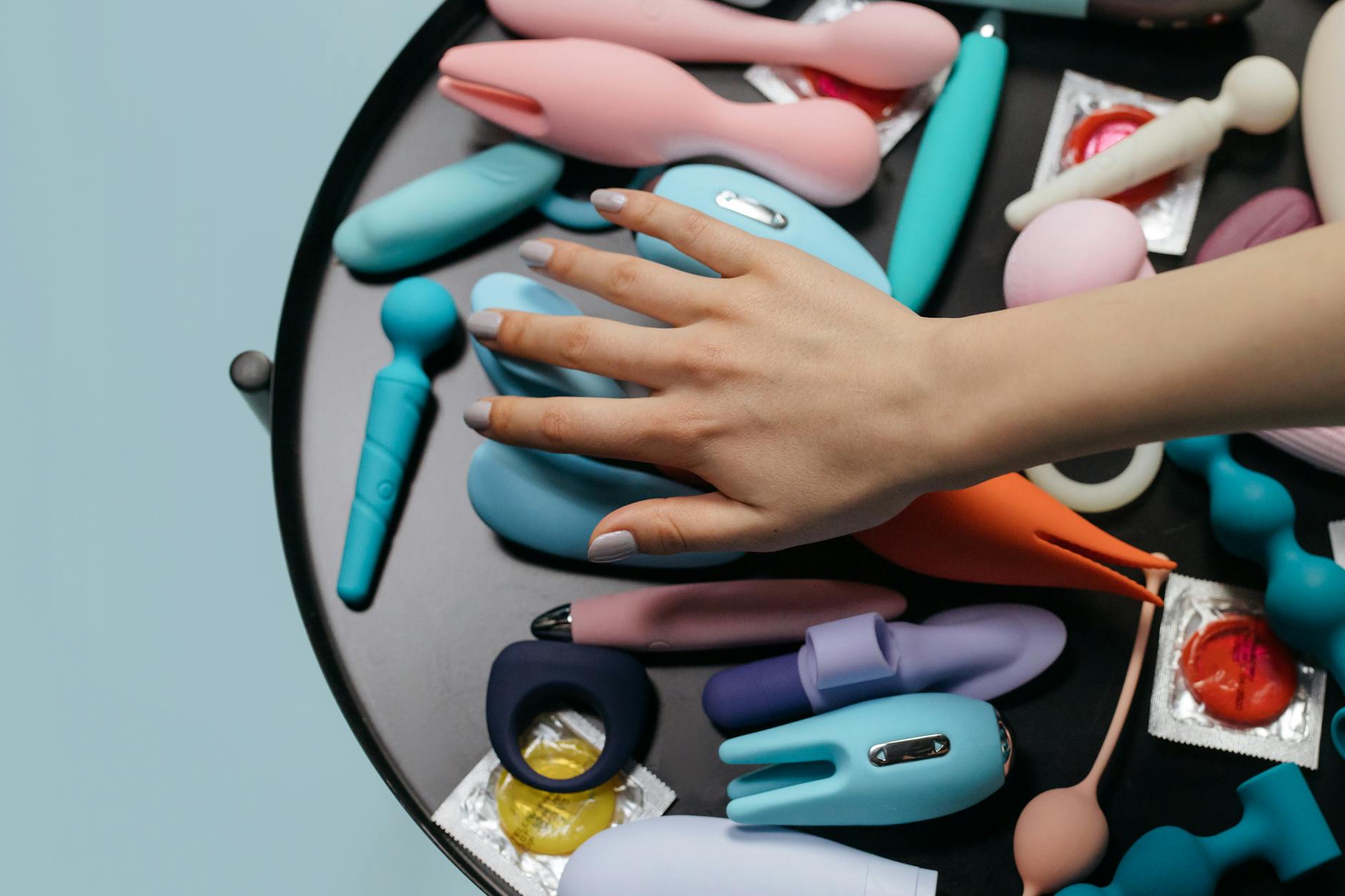
Photo by cottonbro studio on Pexels
Use the lemon vibrator as a diagnostic tool, not a performance tool
Here's what I tell people with persistently low desire: your vibrator is a question, not an answer. The question is: what does my body actually want right now?
Try this sequence over a week:
Day 1 to 2. Lemon vibrator on pattern 1 (lowest suction), 5 minutes, no pressure to come. What do you notice? Numbness? Tightness? A tiny spark? An urge to stop?
Day 3 to 4. Same setup, but move it around. Not just side to side, but up and down the clitoral area, different parts of the vulva. What spot feels slightly less dead?
Day 5 to 6. If you found a spot that didn't feel awful, try pattern 2 (medium suction), same area, same 5 minutes. Still no orgasm target.
Day 7. Stay with whatever felt least bad. Repeat it.
You're not looking for fireworks. You're looking for a signal that your body can still register pleasure, even a small one. That signal is the start.
When low libido is relational
Here's what happens in a lot of long-term relationships: desire drops because resentment rises, or because the emotional intimacy eroded, or because your partner stopped showing up in the ways you need. Sex dies second. The relationship dies first.
If this is your situation, a lemon vibrator helps, but only as part of a bigger conversation. Solo pleasure with a clitoral vibrator can actually be the thing that gives you clarity about what you need from your partner. Sometimes it shows you that you're okay with solo pleasure, and what you need to adjust is the partnered part.
I had a client once who came in saying "I've lost all desire." After three sessions, it turned out she hadn't lost desire. She'd lost respect for her partner's effort in the relationship. Once we named that, once she had that conversation with him, her libido returned on its own. The lemon vibrator wasn't the fix. The conversation was. But the solo time with the vibrator gave her the quiet space to hear what she actually needed.
The permission piece
Low sex drive in women often comes wrapped in shame. You're supposed to want sex. You're supposed to enjoy it. You're supposed to be the partner who initiates. And when you're not, you get very quiet about the whole thing.
Using a lemon vibrator regularly when your libido is low is an act of permission. You're saying: my pleasure matters even when no one else is watching. My body is worth paying attention to. I don't have to earn the right to feel good.
That's not selfish. It's the opposite. When you've been running on empty for so long that you've forgotten what desire even feels like, the only way back is through solo practice. You can't ask your partner to do the emotional labor of seducing you back to life when you've checked out entirely. You have to meet yourself halfway first.
When to bring a partner in
Once you've spent a few weeks with a lemon vibrator and you've found even a small pocket of sensation that feels okay, that's when you can talk to a partner about what you learned. Not as a performance invitation. As information.
"I noticed I respond better to lighter suction." "I need more foreplay and less intensity." "I need us to slow down and talk more." These conversations can be the bridge back to desire that includes someone else.
But you can't have those conversations from a place of shame or obligation. You can only have them from the ground truth of what your body actually wants. And a lemon sexual toy in a quiet room is where you find that ground truth.
FAQ: Low libido and clitoral vibrators
Why does a lemon vibrator feel numb when my sex drive is low?
Low arousal flattens sensation. Your nervous system isn't primed to feel much of anything. This changes as you practice and as you address the underlying causes (sleep, stress, relationship dynamics). Start with the lightest setting and give it weeks, not days.
Can I use a lemon clitoral vibrator if I'm on antidepressants that kill my sex drive?
Yes, but it works differently. Antidepressant-related low libido is real and it's not a character flaw. A vibrator can help you stay connected to sensation while your body adjusts to medication. If it's been months with no improvement, talk to your doctor about timing, dosage, or switching. Sometimes a small adjustment helps without giving up the medication you need.
How often should I use a lemon vibrator if I'm trying to rebuild desire?
Three to four times a week is enough to start. More than that can feel like another obligation, which defeats the point. The goal is consistency, not intensity. Once a week for two months is better than five times a week for two weeks.
What if I use the vibrator and still feel nothing?
That's information too. It might mean you need to address the physical stuff first (sleep, stress, movement, medication review). It might mean the relationship issue is bigger than you thought. Or it might mean you need a different type of stimulation entirely. A lemon lem vibrator works for a lot of people, but not everyone. If nothing works after three weeks of consistent practice, that's the time to talk to a therapist or a doctor.
Is low libido permanent?
No. Low sex drive is responsive to change. When you shift one thing (sleep, stress levels, the conversation with your partner, the medical piece), the others often shift too. It's rarely a straight line back, but it's not permanent.
Should I tell my partner I'm using a lemon vibrator to work on my libido?
That depends on your relationship and what feels safe. Some couples talk about this openly. Some people need the private space first. There's no rule. Just notice: are you hiding it because you genuinely want privacy, or because you're ashamed? If it's shame, that's worth unpacking, maybe with a therapist. If it's privacy, that's fine.
The real work
A lemon clitoral vibrator is a tool. It's a really good tool. But the actual work of rebuilding desire when it's flatlined is relational and physical and sometimes medical. It's sleep and stress management and honest conversations. It's checking in with your body without judgment.
The vibrator just makes the checking-in part easier. And sometimes that's enough to start.
If you're stuck on the relational piece, talking to a relationship coach or therapist can help you sort out what's real and what you're carrying from shame. Your pleasure matters. And so does getting to the root of why it went away.