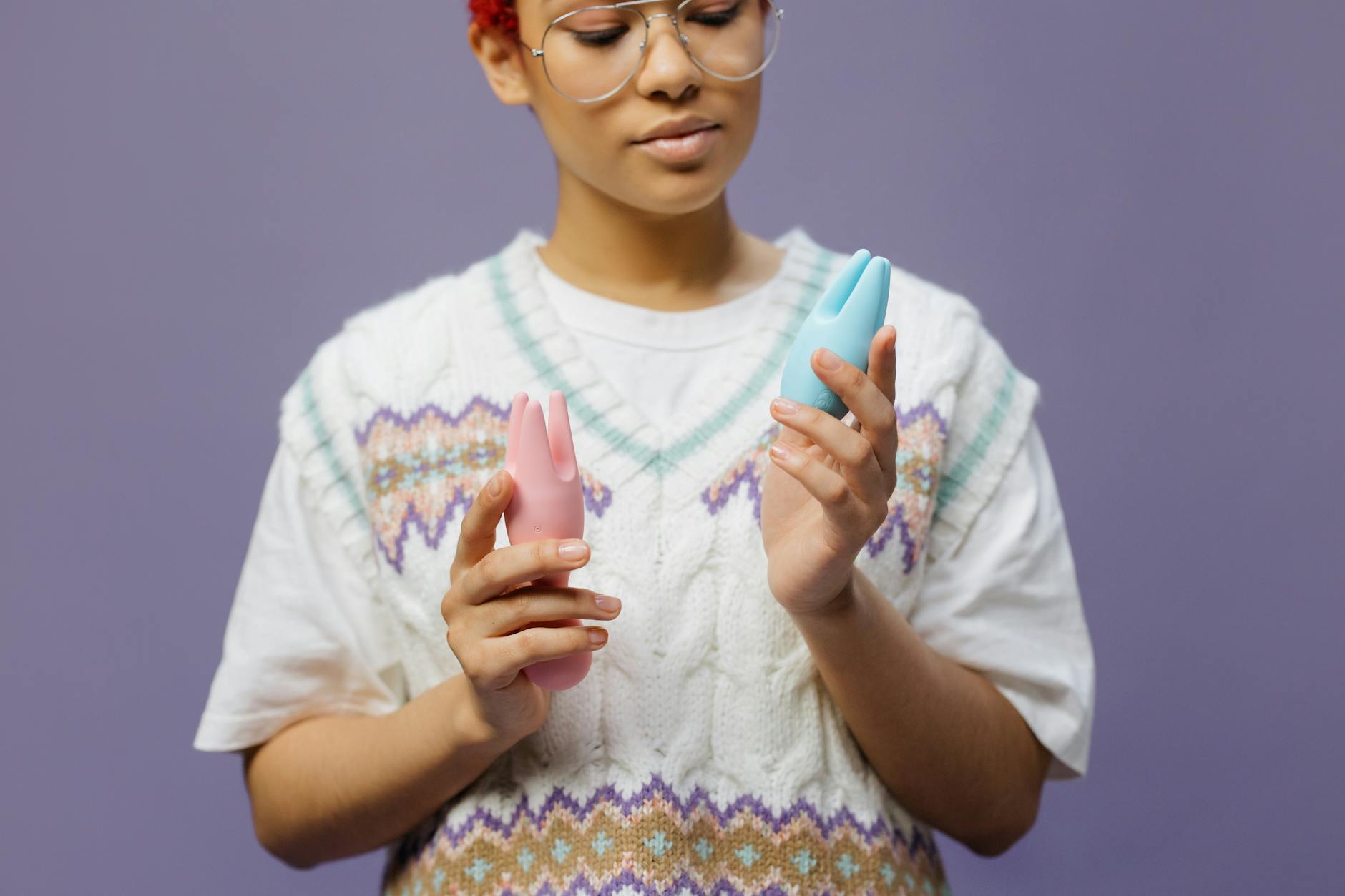
Why reduced sensation happens (and why it's more fixable than you think)
Let's be real. Reduced clitoral sensation sucks. It shows up for different reasons. Sometimes it's nerve damage from surgery or injury. Sometimes it's medication. Sometimes it's years of numbness from anxiety or disconnection, and your nervous system just... forgot how to wake up.
The temptation is to assume nothing will work. That's wrong. Your clitoris hasn't lost its capacity for sensation. It's lost access to it. And there's a meaningful difference.
A lemon clitoral vibrator approach works specifically for this problem because suction-based stimulation (which the Lem uses) reaches nerves differently than traditional vibration. It doesn't vibrate into numbness. It builds sensation gradually, working with your nervous system instead of against it.
How suction sensation differs from standard vibration
Here's the thing about reduced sensation: it's often paired with protective numbness. Your body learned not to feel because feeling hurt, or threatened, or was too much.
Traditional vibrators send rapid signals to the same nerve pathways you've already numbed yourself against. More intensity often just means more numbness. It's like pressing harder on a numb arm. The arm doesn't wake up. It just hurts.
Suction works through a different mechanism entirely. Instead of vibrating at a single spot, it creates rhythmic pulses of pressure and release. This activates different nerve endings and works through the tissues layer by layer. For people with reduced sensation, this gradual building can feel like the first real sensation they've experienced in years.
Many of my clients with numbness from medication or trauma report that suction is the only thing that produces orgasm. Not because it's "stronger," but because it's accessing sensation through an entirely different neural pathway.
Starting with the lowest settings (really, the lowest)
When sensation is already low, the instinct is to jump to high intensity. Don't.
The Lem has multiple patterns and intensity levels. If you have reduced sensation, you're starting at pattern 1, intensity 1. That's it. You're not being cautious. You're being smart. Here's why.
Your nervous system needs time to recognize the signal. When you've been numb for months or years, sensation doesn't snap back. It builds. If you start at high intensity, your nervous system treats it as noise and shuts down harder. If you start impossibly low, something different happens. Your body starts to recognize the signal as non-threatening. The nervous system leans in.
Budget 10 to 15 minutes just exploring pattern 1 across different body areas. Don't aim for orgasm. Aim for noticing any shift in sensation, however small. A warmth. A tingle. A different texture. That's the feedback loop starting.
The mental piece (actually the biggest piece)
Here's what most guides leave out: reduced sensation is rarely just physical. It's usually paired with a belief that your body can't feel.
You've been numb so long that sensation returning feels weird or wrong. Your mind might interpret the Lem's pulse as uncomfortable instead of pleasurable because you're braced for disappointment. That's not a failure. That's your nervous system protecting you.
The practical work: before using any lemon sexual toy, spend 2 to 3 minutes in a relaxed state. Notice your breathing. Notice what your body's doing when it's not "performing." You're teaching your nervous system that pleasure isn't a goal. It's something that happens when you're not fighting yourself.
If thoughts like "this isn't working" or "I'm broken" come up (and they will), name them and let them pass. You're not broken. You're rebuilding.
The role of lubrication and tissue care
Reduced sensation often comes with reduced natural lubrication. The tissues can be more fragile, more sensitive to friction. This is where water-based lube becomes non-negotiable.
Water-based lube does two things for reduced sensation: it removes friction that can register as pain instead of pleasure, and it allows the Lem to create suction more effectively. The seal matters. Without adequate lubrication, the seal breaks and the sensation flattens.
Use generously. Reapply often. This isn't a sign you're doing it wrong. This is you taking care of fragile tissue while you rebuild sensation. Many lemon adult toys work better with lube anyway. It's not a workaround. It's part of the system.
When to increase intensity (spoiler: not for a while)
After using the Lem at the lowest settings for a week, you might notice small changes. A slight tingle. A sense that your clitoris is "waking up." That's huge. That's the nervous system recalibrating.
Don't jump settings yet. Stick with pattern 1 and 2 for another week or two. You're not rushing sensation back. You're building it sustainably.
When you do increase intensity, do it by one level at a time. Move from intensity 1 to intensity 2. Stay there for a full session before you consider going higher. This is the pace at which your nervous system can actually integrate new sensation without shutting down again.
Some people with significantly reduced sensation never move beyond pattern 2 or 3. That's fine. The goal isn't maximum intensity. The goal is pleasure that you can actually feel.
Sensation mapping: finding your responsive zones
Your clitoris might be numb, but other areas might not be. Reduced sensation is often patchy. The inner labia might have good sensation. The clitoral hood might be more responsive than the glans. The area just above the clitoris might feel things the tip doesn't.
Spend a session just exploring where the Lem registers sensation most clearly. You're not aiming for orgasm. You're mapping your landscape.
Once you find your most responsive zones, that becomes your starting point. If the very tip of your clitoris is numb but the hood responds well, position the Lem there. You're working with your body's actual capacity, not fighting against what's numb.
Partner involvement (if that's your situation)
If you have a partner, this matters: don't make them the solution. Your partner can be curious, encouraging, and present. But the work of rebuilding sensation is yours to do solo first.
Why? Because during partnered sex, there's performance pressure. There's the question of whether they're enjoying it. There's the background anxiety of whether you're "normal." That narrative doesn't help sensation return. It delays it.
Use the Lem alone for 4 to 6 weeks before bringing a partner into the experience. Get your own nervous system talking to itself again. Then, if you want, you can explore what shifts when another person is involved.
When to see a specialist
If reduced sensation came on suddenly, or if it's worsening despite consistent work with the Lem, that's worth a conversation with a gynecologist or pelvic floor physical therapist. Sometimes numbness is a symptom of something that needs medical attention. Sometimes it's medication-related and adjustable.
You don't need a magical solution for sensation to return. You need the right information, the right tool, and the patience to rebuild. A lemon clitoral vibrator is one part of that. Your nervous system's willingness to trust pleasure again is the other.
FAQ: Reduced Sensation and Lemon Vibrators
How long does it take for sensation to come back with a lemon vibrator?
It varies. Most people report noticeable shifts in sensitivity within 2 to 4 weeks of consistent use, starting with low settings. Some people take longer, especially if the numbness is tied to trauma or medication. The timeline matters less than the direction. You're looking for gradual improvement, not instant recovery.
Can I use a lemon sucker vibrator if I have no sensation at all?
Yes. In fact, suction is often the entry point for people with complete or near-complete numbness. The stimulus works through different nerve pathways than traditional vibrators. Start at the absolute lowest intensity and give your nervous system time to recognize the signal. Sensation doesn't flip on like a light switch. It unfolds.
Should I use my lemon clitoral vibrator every day if I have reduced sensation?
Not necessarily. Every other day is often better. Your nervous system needs downtime to integrate new sensations. Daily use can feel like repetitive overstimulation. You're rebuilding neurological pathways, not building muscle. Rest matters as much as practice.
What if the lemon vibrator feels uncomfortable instead of pleasurable?
Discomfort often means one of three things: intensity is too high, you're moving too fast, or your nervous system is protecting you against sensation. Try dropping to the absolute lowest setting. Add more lubrication. Take more time with slow breathing before you start. If discomfort persists, check in with a pelvic floor therapist. Sometimes physical restrictions need attention before sensation work goes anywhere.
Can reduced sensation come back naturally without toys?
Possibly, especially if it's recent or medication-related. But for many people, particularly those with trauma-related numbness or nerve damage, sensation needs a specific stimulus to reactivate. A lemon clitoral vibrator provides that stimulus in a way that's gentler and more gradual than many alternatives. You're not replacing sensation. You're reminding your body it's possible.
Is it normal to feel frustrated during this process?
Completely. You're rebuilding access to your own body. That's hard work. The frustration often shows up strongest right before a breakthrough. If you find yourself angry or discouraged, that's feedback that you might need a break. Come back to it when you're less activated. Forcing sensation doesn't work. Patience does.