Let's start with what vaginismus actually is
Vaginismus isn't a lack of desire or arousal. It's your pelvic floor muscles deciding, without your permission, that penetration is unsafe and needs to be blocked. The reflex is real. The muscles contract involuntarily, making entry painful or impossible. It's not psychological theatre. It's neuromuscular.
Here's the thing nobody explains clearly: your pelvic floor is trying to protect you. It worked. For years, maybe decades, it kept you safe. Now you want to reclaim pleasure, and your body is still in lockdown mode. This is where most people get stuck, because treating vaginismus like a willpower problem makes it worse.
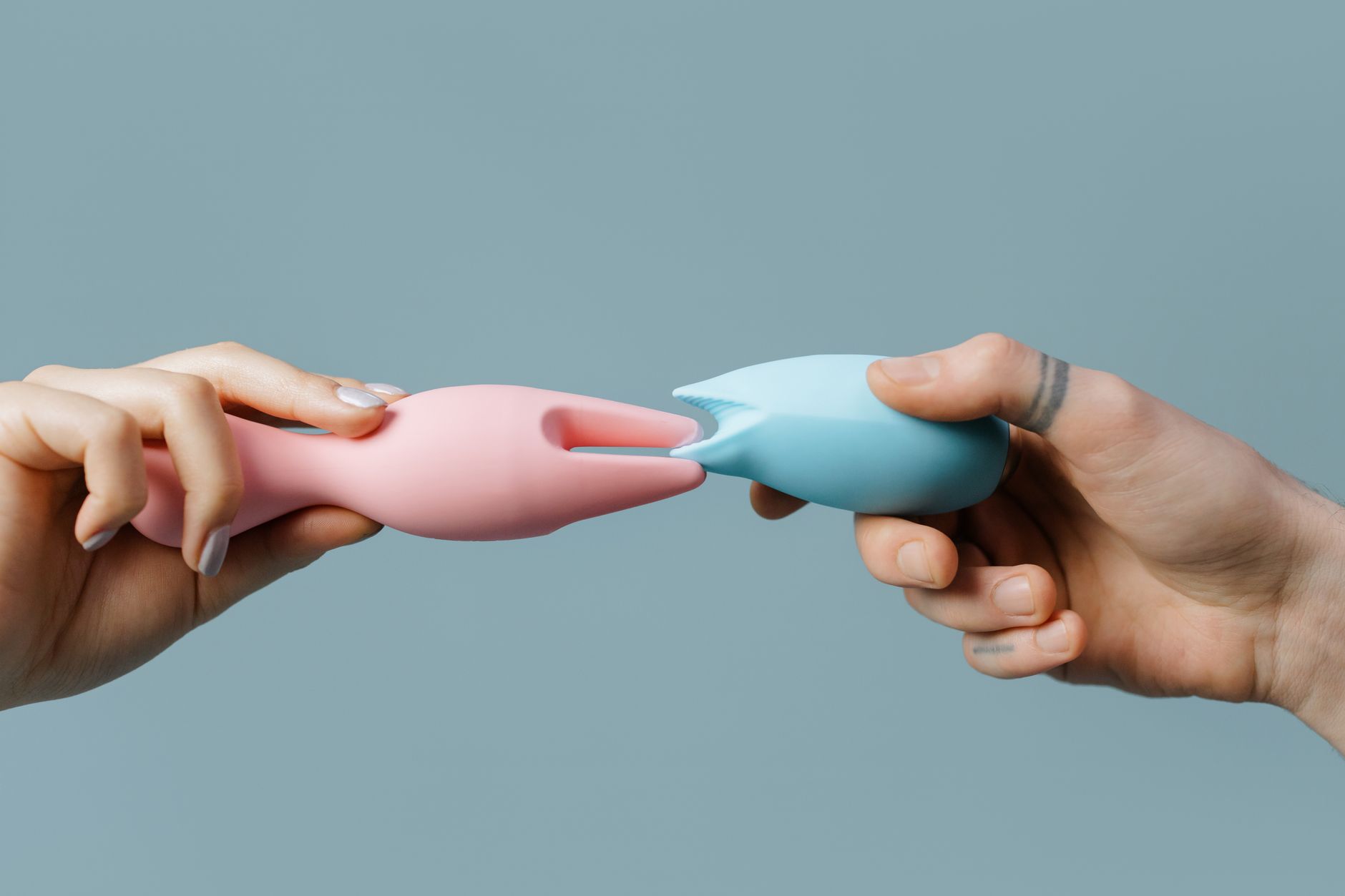
A lemon vibrator changes the equation entirely. By offering clitoral stimulation that's external, non-penetrative, and fully under your control, it rewires the nervous system's threat response. You're not fighting your body. You're retraining it.
Why clitoral vibrators work better than penetration attempts
When you have vaginismus, the pelvic floor muscles clench at the threat of anything entering the vagina. This reflex runs deeper than conscious thought. Trying to force relaxation through breathing exercises or stretching alone doesn't address the core issue: your nervous system is in defensive mode.
Clitoral stimulation bypasses that trap entirely. The clitoris is external. There's zero threat of penetration. No muscles need to tense. Instead, you're building pleasure signals that your body learns to recognize as safe. Over time, this teaches your nervous system that arousal and safety can coexist.
The suction mechanism of a lemon vibrator is particularly useful here because it creates consistent, pulsing stimulation without the pressure or friction that can amplify tension. You control the intensity. You control when it starts and stops. That control is half the healing.
Building the foundation before trying penetration
If you've been diagnosed with vaginismus, attempting penetration before your nervous system is ready will deepen the protective reflex, not override it. The goal isn't to "push through" pain. It's to rebuild a pleasure pathway that doesn't trigger the clench.
Start with external stimulation only. Use your lemon vibrator for 5-10 minutes, three or four times a week, with zero expectation of penetration. Pay attention to what patterns feel good. What intensity level? What rhythm? Let arousal build naturally.
Many people with vaginismus discover they haven't experienced full clitoral pleasure without pelvic floor tension in the background for years. This phase is about separating those two experiences. Pleasure that doesn't demand anything of your vagina. That's the reset.
After 2-4 weeks of consistent external stimulation, you may notice your pelvic floor relaxing on its own. Not through force, but because your nervous system is learning that arousal doesn't mean you're under threat.
The gradual progression toward comfort
Once you're comfortable with external clitoral stimulation and your pelvic floor is relaxing during those sessions, you can begin gentle desensitization work. This looks like external stimulation followed by very light touch on the entrance of the vagina, with zero penetration intent.
Your fingers, or a partner's if you have one, just rest near the opening. No pressure to go deeper. The goal is for your pelvic floor to learn that even proximity to the vaginal entrance doesn't mean invasion is imminent. This might take a few weeks. That's normal. You're retraining a protective reflex that's been running for years.
When you're ready to progress further, some people find that using a lemon vibrator while their partner or they gently touch the vaginal opening creates a powerful reframing: pleasure happening externally while the inside stays completely calm. Over time, that opens space for eventual penetration, if that's what you want.
The role of breathing and awareness during stimulation
While you're using your lemon vibrator, your job is to notice what happens in your body without judgment. Most people with vaginismus discover their pelvic floor tenses up the moment they anticipate penetration, even when none is happening.
During external stimulation, practice checking in with your pelvic floor every minute or so. Can you notice if it's tight? Can you gently release it? Not through force, but through awareness. Breathe into your belly. Let your exhales soften your lower abdomen.
If tension spikes during stimulation, that's data, not failure. It might mean you're moving too fast, the intensity is too high, or you're anticipating something that hasn't happened yet. Dial it back. The whole point is to build a pattern where arousal and relaxation happen together.
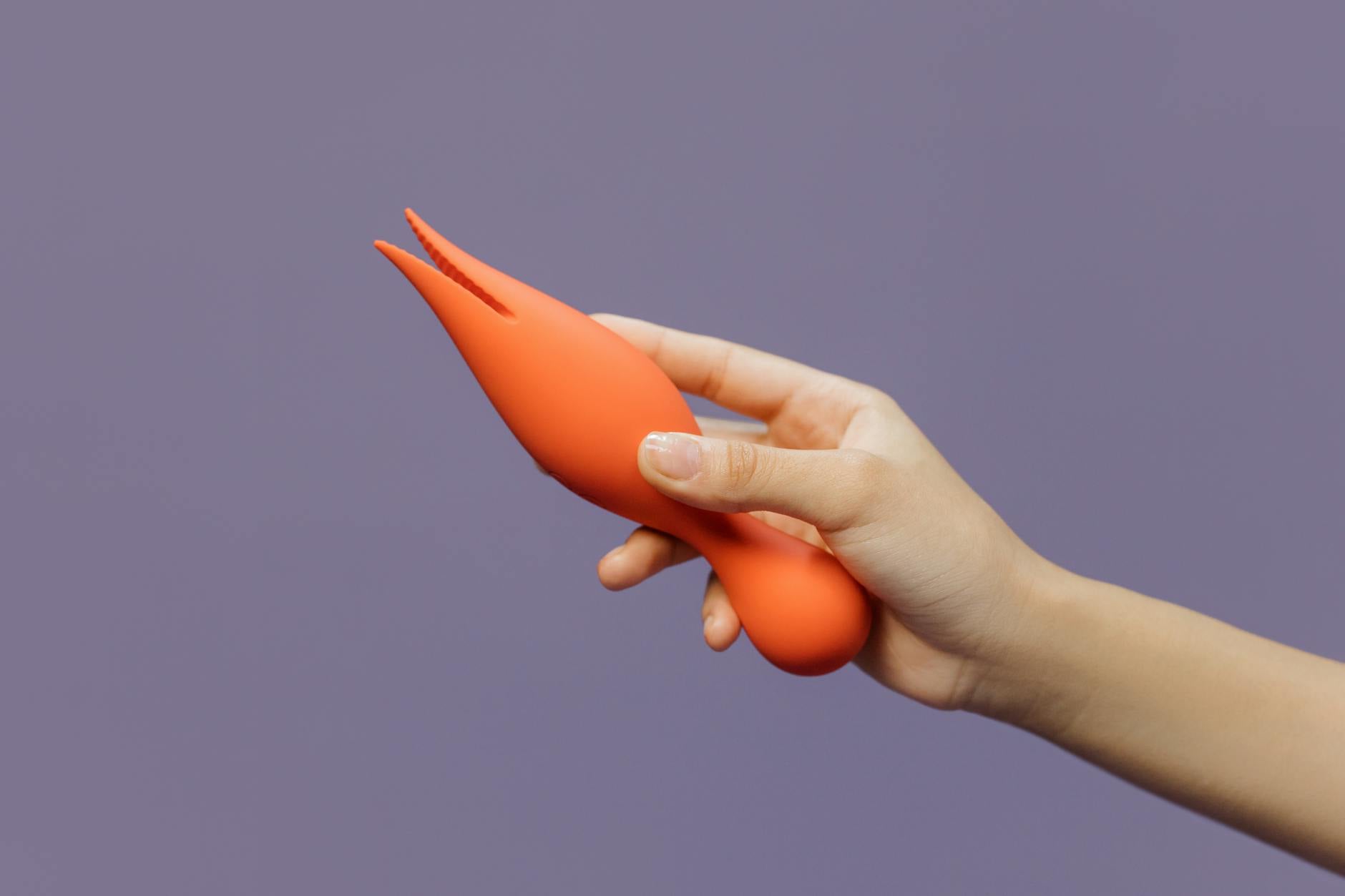
Photo by cottonbro studio on Pexels
When to involve your partner
If you're in a relationship, vaginismus affects both of you. The person with vaginismus often feels shame or inadequacy. The partner often feels rejected, even though rejection isn't what's happening. Your body is protecting you, not punishing them.
Once you've spent a few weeks building comfort with your lemon vibrator on your own, involving your partner can be powerful. But only if you're ready and they understand the goal isn't penetration yet. It's pleasure. It's connection. It's your nervous system learning that your partner's presence during arousal is safe.
You might use your vibrator while your partner is present, hands to themselves. Or they might hold you while you use it. Or they might gently touch your thigh while you focus on clitoral pleasure. The variations don't matter. What matters is shifting from secrecy or avoidance to shared pleasure that doesn't demand anything your body isn't ready for.
If your partner resists this approach or pressures you toward penetration before you're comfortable, that's relationship work, not a lemon vibrator problem. A good relationship respects your nervous system's timeline.
Working with a pelvic floor physical therapist
A lemon vibrator is a brilliant tool for self-directed pleasure and desensitization, but vaginismus often benefits from professional support. Pelvic floor physical therapists trained in vaginismus can assess muscle tension patterns, teach you safe relaxation techniques, and track your progress.
Some therapists use internal work to help release the muscles directly. Others focus on external work, breathing, and nervous system regulation. The best ones combine approaches and move at your pace, not at a predetermined timeline.
If you can access a pelvic floor PT, consider it an investment in reclaiming your body. They're not here to judge. They see vaginismus regularly and understand it's a retrainable reflex, not a character flaw. The combination of PT work and your own exploration with a clitoral vibrator like the Lem accelerates the process significantly.
The emotional dimension matters as much as the physical
Vaginismus is often linked to underlying anxiety, past trauma, or perfectionism around sex. Sometimes there's no trauma history at all, just a nervous system that learned to clench for protection years ago and never got the signal to release.
As you work with your body using clitoral stimulation, pay attention to thoughts and feelings that arise. Do you feel shame? Impatience with your body's pace? Fear that you'll never be "normal"? These are worth exploring, ideally with a sex-positive therapist or counsellor who understands vaginismus.
Pleasure work and emotional work go hand in hand. You can't separate the nervous system from the mind. As you build new pleasure patterns, you're also building self-compassion, patience, and trust in your body. That transformation is just as important as the physical progress.
Timelines and what to expect
Everyone's vaginismus journey is different. Some people see significant improvement in 4-6 weeks of consistent clitoral stimulation and desensitization. Others take 3-6 months. A few take longer. Your timeline is your timeline, and it's not a reflection of your commitment or worthiness.
Progress isn't linear. You might have weeks where your pelvic floor feels relaxed and open, then a stressful event happens and the tension returns. That's normal. Your nervous system responds to life. Keep going. The new pathway you're building becomes stronger each time you practice it.
The goal isn't to rush toward penetration. It's to reclaim your nervous system's ability to relax during arousal. Once that's solid, penetration often becomes possible naturally, almost as an afterthought. But if you discover that full penetration isn't what you want, that's valid too. Plenty of people with vaginismus find that clitoral pleasure alone is deeply satisfying and enough.
FAQ
Will using a lemon vibrator help me relax my pelvic floor if I have vaginismus?
Yes, but specifically through the rewiring process we've outlined. The vibrator itself doesn't magically relax your muscles. What it does is provide consistent, safe external stimulation that teaches your nervous system arousal doesn't require pelvic floor tension. That's the retraining part. Over weeks of practice, your body learns a new pattern.
Can I use a lemon clitoral vibrator while a pelvic floor physical therapist is treating my vaginismus?
Absolutely. In fact, many PTs recommend it. Talk with your therapist about when and how to use it alongside your PT sessions. Some therapists suggest using it before sessions to practice relaxation, others after. Coordination between your PT and your own exploration creates the fastest progress.
How long before penetration is possible if I'm using a lemon vibrator for vaginismus?
There's no fixed timeline. Some people notice progress toward comfort with vaginal touch within 4-8 weeks. Others take 3-6 months or longer. Rushing the timeline often backfires because it reactivates the protective reflex. Trust your body's pace. The progress is real even if it feels slow.
Is vaginismus psychological or physical?
Both. It's a neuromuscular reflex that often has psychological roots like anxiety, perfectionism, or past trauma. But the reflex itself is physical. That's why clitoral vibrators work: they address the nervous system directly. Therapy can help too, especially if anxiety or trauma is involved. The most effective approach combines both.
What if using a vibrator triggers anxiety or tension instead of relaxation?
That tells you something important. You might be moving too fast, the intensity might be too high, or there's an underlying anxiety that needs support. Dial back. Use lower intensity. Try shorter sessions. Or work with a therapist alongside your vibrator exploration. Your body's signals are worth listening to, not pushing through.
Can my partner help me use a lemon vibrator if I have vaginismus?
Yes, if you both feel safe and your partner understands the goal. Some people find their partner's presence and gentle touch during external stimulation helpful for retraining their nervous system. Others prefer to do the foundational work alone first. Either way is fine. Communication is key. Your partner needs to understand this is about pleasure and safety, not about fixing you.
Moving forward
Vaginismus is real, and it's not your fault. Your pelvic floor isn't broken or stubborn. It's protective. Using a lemon vibrator for external, pressure-free pleasure is one of the most effective ways to teach your nervous system that arousal and relaxation can happen together. Combined with patience, professional support if you can access it, and self-compassion, clitoral vibrators create genuine change. Your pleasure is worth the time it takes to reclaim it.
If you're ready to start this work and want to talk through what might work best for your situation, reach out. We're here to help you rebuild pleasure on your terms.