Let's start where you actually are
If you've never masturbated, the idea of using a toy might feel strange, unnecessary, or even vaguely wrong. That's not a reflection of you. It's a reflection of how little most of us are taught about our own bodies. A lemon vibrator isn't a shortcut to something you're supposed to do "naturally." It's a tool designed to help your body figure out what it actually likes.
Why a lemon vibrator is different from other toys
Most vibrators buzz. Some pulse. The lemon vibrator uses suction and pulsing together, which mimics how many people naturally stimulate themselves. If you've never explored your body, this matters because suction feels gentler and more diffuse than direct vibration. It's less overwhelming for a first experience.
The suction action works by creating a gentle seal around the clitoris and then releasing in rhythmic waves. You're not holding it at high intensity against sensitive tissue. Instead, the sensation builds gradually. For someone approaching this for the first time, that's a significant advantage over traditional vibrators that can feel too intense or jarring.
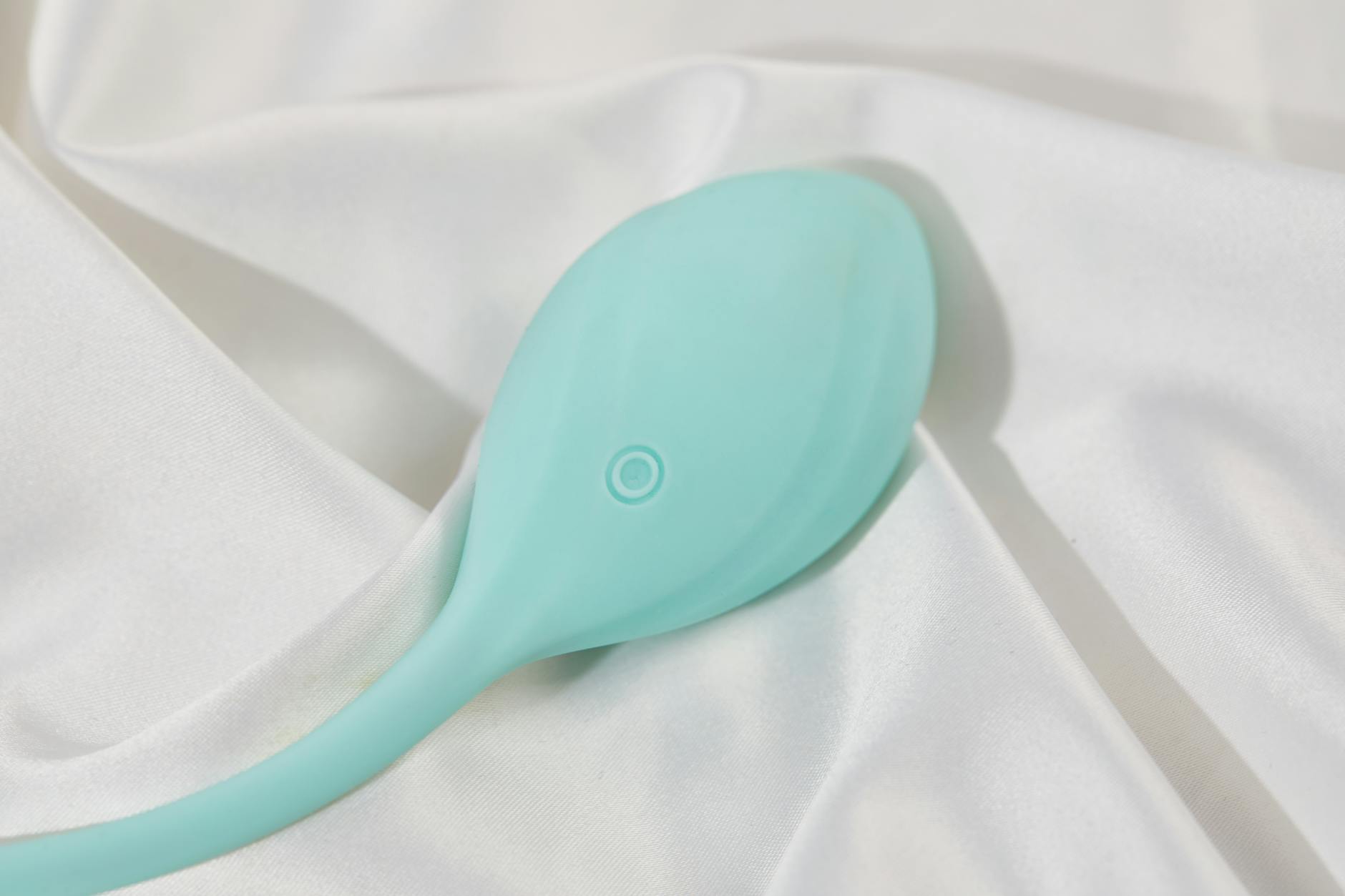
Hello Nancy's lemon clitoral vibrator was designed partly with this in mind. The shape fits naturally in your hand. The pressure is intuitive to control. You're not navigating complicated settings right away.
The mental side matters as much as the physical
If you've never masturbated, there's usually a reason. Maybe you grew up in a household where sexuality wasn't discussed. Maybe you have religious beliefs you're still working through. Maybe you're just nervous, or unsure if it's "normal" to want to. All of these are real, common, and valid.
Before you buy anything, check in with yourself about what's actually stopping you. Is it shame? Uncertainty about your body? Concerns about what it means about you? Once you name that, you can address it. Buying a toy won't fix shame. It'll just sit in your drawer while you feel worse.
If you're ready but nervous, that's different. Nervousness is normal. You can move forward with some structure around it.
How to prepare
Three things make a first experience easier:
Give yourself time and privacy. Not rushed. Not while listening for someone to come home. Ideally at least 20 minutes where you're not checking your phone. Your nervous system needs to settle before your body will respond.
Warm up without the toy first. Spend 10 minutes touching your body in ways that feel good. Your thighs, your torso, your breasts if you have them, your inner arms. Notice what temperature and pressure feels pleasant. This isn't about building arousal. It's about remembering that your body can feel sensations.
Use lubricant. Even if you think you don't need it. Water-based lubricant reduces friction and makes everything feel less clinical. It also signals to your nervous system that this is a self-care activity, not a task you're rushing through.
Your first time with the toy
Start with the suction at the lowest setting. Most people go too fast here. Resist that impulse.
Position the lemon vibrator so it creates a gentle seal around your clitoris. Don't press it hard. Let it rest there while it pulses. You're not trying to have an orgasm right now. You're trying to figure out what the sensation feels like and whether you like it.
Many women report that the first time feels underwhelming or weird. This is normal. Your nervous system is processing a new sensation from a new object. Stay with it for at least five minutes before deciding whether you like it. Pleasure often builds slowly, especially if you're new to this.
If it hurts or feels uncomfortable, stop immediately. Pain is information. It means either the pressure is wrong, the lubrication isn't enough, or your body just isn't ready. None of those mean you're broken. They mean you adjust and try again another time.
What happens if nothing happens
No orgasm on the first try? Completely normal. Maybe 30 percent of women who've never masturbated experience orgasm the first time they use a toy. The rest need multiple sessions, or they need a different approach, or their body just works differently than they expected.
Here's the thing: you don't need an orgasm to have a good experience. If you spend 15 minutes exploring what feels pleasant, you've succeeded. If you learn something about your own body, you've succeeded. If you decide you don't like this toy but you like the idea of exploring, you've succeeded.
Orgasm is not the point of your first time. Curiosity and gentleness with yourself is the point.
When to reach out for help
If you're experiencing pain during any attempt at self-pleasure, or if you find yourself having a panic response to touching your own body, that's worth bringing to a therapist who specializes in sexual health. This isn't shameful or unusual. Many people need support untangling the emotional barriers that got built around their own pleasure.
A good therapist can help you understand what's underneath the discomfort and create a plan that actually works for your brain and body. That might include a toy, or it might not. But you deserve to have that conversation with someone who takes your experience seriously.
The weeks after
If your first experience goes well, you might use the toy a few times a week. Or you might forget about it for a month and come back to it. There's no "right" frequency. Your body will tell you what it needs.
Many people find that after a few sessions, they feel more comfortable exploring different patterns and intensities. The lemon vibrator has multiple settings for a reason. Once you know what the lowest settings feel like, playing with higher ones becomes less scary.
Some women discover during this process that they don't actually enjoy masturbation. That's also valid. You tried, you learned something about yourself, and you moved on. This isn't a test.
Your pleasure matters. It's worth exploring, even if it feels awkward at first.
The bigger picture
If you've never masturbated, using a tool like a lemon clitoral vibrator isn't about fixing something broken. It's about giving yourself permission to discover what your body actually enjoys. For some women, that's the beginning of better sex with partners. For others, it's just a nice part of self-care. For still others, it clarifies that they don't want this part of life, and that's the valuable information.
Mastering your own pleasure is one of the most grounding, empowering things you can do. It connects you to your body. It teaches you what feels good. It gives you something to bring to partnered sex, if that's something you want. And it's entirely private, entirely under your control, and entirely worth your time.
People also ask
Is it normal to feel weird the first time using a clitoral vibrator?
Completely normal. You're introducing a new sensation to a part of your body that might have felt off-limits. Your nervous system needs time to process that. Some women feel awkward or self-conscious initially. Others feel nothing at all. Both are just your body's way of adjusting. Stick with it for three to five sessions before deciding if it's for you.
How long does it take to have an orgasm with a lemon vibrator if you've never had one?
It varies wildly. Some women experience orgasm within the first few sessions. Others take weeks or months. Some discover they don't experience orgasm the way they expected, but they find other types of pleasure. The lemon vibrator's suction action makes it one of the more effective toys for people who struggle with traditional vibrators, but "effective" doesn't mean instant. Your body is learning something new.
What if I feel guilty about masturbating?
Guild about masturbation is rooted in how you were raised and what messages you received about sexuality. It's not evidence that masturbation is actually wrong. If you grew up in a religious or conservative environment, those messages might run deep. That's not something a toy will fix. That's something worth exploring with a therapist or a trusted confidant. You can't shame yourself into pleasure.
Should I tell my partner if I use a lemon vibrator on my own?
That's entirely your choice. Some couples integrate toys into shared sex. Others keep self-pleasure separate and private. There's no rule. If you feel scared to tell a partner, that's worth examining. Either you don't trust them, or you don't trust yourself yet. Both are worth addressing before the conversation happens.
Do I need to use lube with a lemon vibrator if I'm a beginner?
Yes. Even if you think your body produces enough natural lubrication, adding water-based lube makes the sensation feel less abrasive and signals to your nervous system that this is okay and pleasurable. Lube isn't cheating. It's not admitting something is wrong with you. It's just good technique.
What if my clitoris is too sensitive to use any vibrator?
If direct stimulation feels painful, start by placing a thin barrier between the toy and your clitoris. A piece of thin cloth, a panty liner, or even just your own skin fold can diffuse the sensation. You can also use the suction vibrator over your underwear at first. Sensitivity often decreases as your nervous system gets used to the sensation. Give yourself permission to modify the experience until it feels good.
Ready to explore
Your first time using a lemon vibrator should feel like an invitation, not a test. You're not trying to prove anything. You're simply giving yourself space to learn what your body actually likes. That's it. That's the whole goal. If you approach it with curiosity instead of pressure, you've already won.
For more on exploring pleasure at your own pace, reach out to our team or explore other guides on the Hello Nancy blog. And if you have questions or want to talk through any of this, we're here to help at /contact.