
Let's start with the uncomfortable truth
A lot of medications that genuinely help your mental or physical health also flatten sensation. Antidepressants, antihistamines, blood pressure meds, pain relievers taken regularly, hormonal birth control, antipsychotics, even some allergy medications. The list is long. And almost nobody warns you: your arousal pathway is not the same as it was.
Here's what happens. The nerves that fire when you're touched become less responsive. The rush of blood to your genitals slows down. The mental pathway to "yes, I want this" gets foggier. Everything takes longer to build, and sometimes it doesn't build at all. It's not that you've lost the capacity for pleasure. It's that pleasure is on a dimmer switch now instead of a toggle.
The good news: air-suction clitoral vibrators like the Lem work with this reality, not against it.
Why standard vibrators often fail when sensation is muted
Most vibrators rely on you having baseline sensation to begin with. They buzz against your skin and hope that the vibration meets enough nerve responsiveness to trigger arousal. When your medication has turned down the dial on sensation, that gamble fails. You end up pressing harder, running it longer, and getting frustrated because nothing feels like much of anything.
This is especially true with traditional vibrators that rely on broad, repetitive vibration. They need your nerves to fire back. If your nerves are sluggish, the whole system stalls.
Air-suction technology works on a completely different principle. Instead of vibration, it uses rhythmic suction and release patterns that stimulate a larger surface area of nerve endings all at once. This is gentler on numb tissue but far more effective at triggering response because you're not waiting for a single point of contact to generate sensation. You're creating a pulsing pressure gradient that engages the entire clitoral structure.
Think of it this way: a standard vibrator is knocking on a door. The Lem is opening a window.
The medication classes that most commonly affect sensation
I work with people on SSRIs, SNRIs, tricyclic antidepressants, and atypical antipsychotics regularly. The delayed orgasm or numbness is rarely permanent, but it's real. Same with blood pressure medications, which reduce blood flow (and blood flow is essential for arousal). Antihistamines dry out tissue and sometimes interfere with arousal signaling. Even some migraine preventatives and muscle relaxants have this effect.
What matters is this: whatever medication you're on, the numbness is not a signal that you're broken or that your desire is gone. It's a side effect. And you deserve an approach that works around it, not one that expects you to generate sensation you don't have access to right now.
How to use the Lem when sensation is reduced or delayed
Three core shifts in approach:
Start with lower intensity patterns. The Lem has multiple settings. When sensation is muted, your instinct is to jump to the highest setting. Resist this. Begin at Pattern 1 or 2 and spend time there. You're not trying to rush arousal. You're trying to wake up the nerves that are still responsive. This takes patience, but it works.
Extend your warm-up time significantly. If arousal normally takes 10 minutes, budget 25 to 35 when you're on medication that affects sensation. Use this time differently than you normally would. Spend the first 5 minutes on the lowest setting just getting used to the sensation. Then gradually move up. Your nervous system needs time to recognize what's happening and start responding.
Use lubrication even if you don't think you need it. Reduced sensation often comes with reduced natural lubrication. Water-based lube (essential, never silicone with the Lem) isn't just about comfort. It reduces the friction between your body and the device, which means the suction effect transfers more directly to the tissue underneath. This amplifies what sensation you do have access to.
The mental piece matters as much as the physical piece
Here's something rarely discussed: when medication affects your sensation, the psychological impact often hits harder than the physical one. You become hyperaware that things aren't working the way they used to. You second-guess yourself. You wonder if the medication is worth it. You spiral a little.
This spiral makes everything worse because arousal is already a neurological event, not just a physical one. If your brain is in "this won't work" mode, your body will confirm that prediction.
Two reframes that help:
First, separate the problem from the person. Your medication isn't failing you. It's doing exactly what it's supposed to do: managing a condition that matters to your health. The sensation reduction is a side effect, not a verdict on your sexuality or worth.
Second, treat this as an exploration, not a fix. You're not trying to get back to how things were. That version is temporarily offline. You're learning what works now. That's actually interesting information. The Lem's variable patterns exist partly because bodies are different. Right now, your body is genuinely different than it was, and that's okay. You can learn it.
When to talk to your doctor about medication adjustment
If sensation dulling is severe enough that you're losing interest in sex entirely, or if it's been six months and nothing has improved, it's worth asking your prescriber about alternatives. Sometimes a different medication in the same class works better. Sometimes lowering the dose helps (never do this without guidance). Sometimes adding a second medication can offset the sexual side effect.
The key phrase is: "This medication is helping my [condition], but the sexual side effect is affecting my quality of life. Are there alternatives we should discuss?" Doctors aren't mind readers. They need to know.
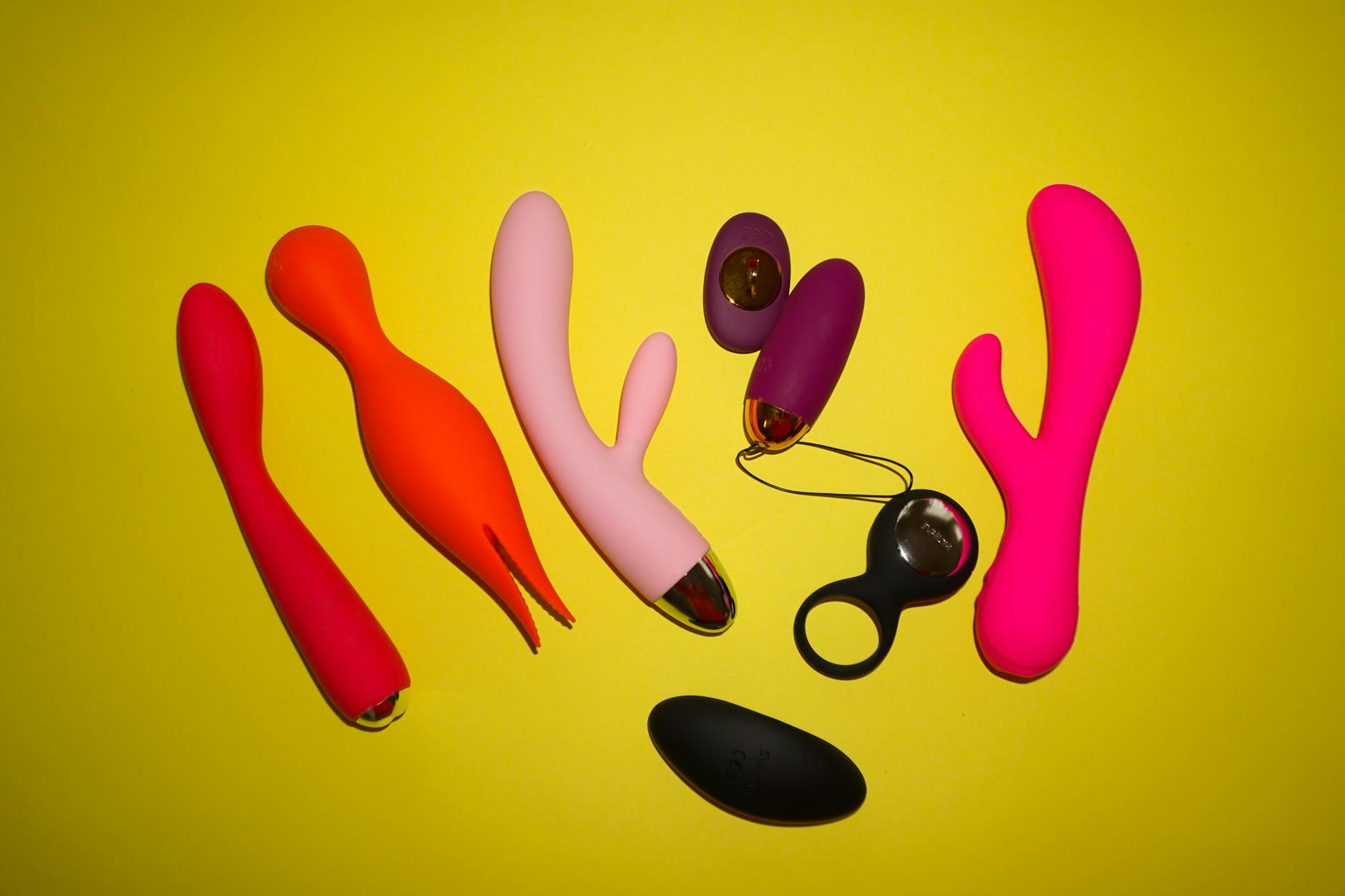
Photo by FounderTips on Pexels
Combining the Lem with other sensation-boosting tactics
The Lem works best as part of a system, not in isolation. A few tactics that stack well:
First, pelvic floor awareness. When sensation is muted, people often clench unconsciously, trying to manufacture feeling. This actually reduces sensation further by tensing the very muscles that need to relax. Spend 2-3 minutes before using the Lem on intentional pelvic floor relaxation. Breathe deeply. Soften the muscles around your vagina and anus completely. Then use the Lem from that open, relaxed state.
Second, temperature play. If sensation is dulled overall, introducing mild temperature contrast can wake up the nervous system. A warm shower before, or cool water on your inner wrists right before you start, can prime your body to feel more. It's not magic, but it's a real neurological effect.
Third, focus on arousal first, orgasm second. When you're medicated and sensation is reduced, the old model of "stimulation leads directly to orgasm" often breaks down. You may need a phase where you're just feeling, noticing, getting curious, without the goal of coming. Orgasm might still happen. But if it doesn't, you haven't "failed." You've extended the window of pleasure. That's the actual win.
Talking to your partner about this shift
If you have a partner, this is worth naming. Not as "my body doesn't work anymore," but as "my body is responding differently right now, and I'm using a different tool to access pleasure. I'd like you to know what that looks like." You're managing a side effect together, not hiding a problem.
Many partners feel relieved to have an explanation. Otherwise, they internalize the slowdown as a sign of lost attraction. It's not. It's chemistry.
The Lem, specifically, can be a shared experience. Some partners find it genuinely hot to watch or participate in. Others are more comfortable stepping back while you use it solo. Both are fine. The point is that you're exploring together, even if "together" means in the same room with clear communication about what you're doing and why.
The bottom line
Medication-related numbness is temporary (or at least manageable with the right approach), and it does not mean your pleasure is over. It means you need a different tool than the one that worked before. The Lem was actually designed with this in mind. Air-suction technology bypasses the need for pure sensitivity by engaging a broader nerve network at once. It's gentler on tissue that's lost some responsiveness, but it's also wildly effective for exactly that reason.
Your sexuality is not on pause. It's on a different rhythm. And that rhythm is worth learning.
People also ask
Can antidepressants permanently damage my ability to feel pleasure?
No. Sexual side effects from SSRIs and other antidepressants are typically reversible. They fade when you stop the medication, or they improve over time as your body adjusts (sometimes 6-12 weeks in). If they persist beyond that, a conversation with your prescriber about alternatives is absolutely worth having. In the meantime, devices like the Lem work with your current sensation, not against it.
Do I need to use a higher intensity with the Lem if my medication dulls sensation?
Countintuitively, no. Many people assume more power will compensate for numb nerves, but the Lem's strength is that its suction patterns are effective at lower intensities than traditional vibrators. Start low and work up. The patterns matter more than the raw power when sensation is muted. You may find that Patterns 3-5 are plenty, whereas before medication you'd have defaulted to maximum settings.
How long should I use the Lem in each session if sensation is delayed?
Give yourself 15-30 minutes without a goal of orgasm. Spend the first 5-10 minutes on the lowest pattern just noticing sensation. Then explore higher patterns. If arousal builds and an orgasm happens, great. If not, you're still rewiring your body to recognize pleasure as possible. This is valuable. Stop when you feel like stopping, not when you reach a destination.
Should I stop my medication to feel normal pleasure again?
Do not stop medication without talking to your prescriber first. The condition the medication is treating (depression, anxiety, high blood pressure, whatever) is often worse for your quality of life than the sexual side effect. The goal is usually to find a medication or dose that balances both. Have that conversation with your doctor. But stopping cold will likely make both your underlying condition and your sexual symptoms worse.
Can I use a lemon clitoral vibrator if I'm on hormonal birth control too?
Yes. Many people are on both an antidepressant or other medication AND hormonal birth control, and they both affect sensation. The Lem is safe to use with any medication. The suction-based design actually works well when multiple factors are reducing sensation at once. You're not trying to push through numbness. You're using a mechanism that works with reduced sensation, not against it.
Is this numbness actually medication, or could it be something else?
It could be either or both. Hormonal changes, stress, relationship shifts, and health conditions can all reduce sensation independently of medication. But if the numbness coincided with starting a medication, medication is a very likely cause. Track the timing. If arousal dulled right after starting the med and improves if you switch medications, that's your answer. If it was already happening, you might need to explore other causes with a doctor. Often it's both.
Sources
- Montejo, A. L., et al. "Incidence of Sexual Dysfunction Associated with Antidepressant Agents." Journal of Clinical Psychiatry, 2001.
- Gregorian, R. S., et al. "Antidepressant-Induced Sexual Dysfunction." Annals of Pharmacotherapy, 2002.
- Clayton, A. H. "Sexual Function and Dysfunction in Women." Obstetrical and Gynecological Survey, 2007.
- American Psychiatric Association. Diagnostic and Statistical Manual of Mental Disorders (DSM-5), 2013.