Let's talk about what alcohol was actually doing
Honestly, if you've been drinking regularly, alcohol was numbing two things at once. Your nervous system. Your self-awareness. That combination meant you could have sex without feeling self-conscious, without noticing discomfort, and without the full weight of your own experience landing on you. Sex felt easier because you were less present for it.
Sobriety flips that. Suddenly you're here. Fully. And that can feel awkward as hell.
The thing is, that presence is not a problem. It's the raw material for actual pleasure. But the adjustment period is real, and it's worth taking seriously instead of just white-knuckling through it.
Why pleasure feels different now
When you were drinking, alcohol suppressed your sensory acuity. Your nervous system was literally dampened. Arousal took longer to register. Sensation felt muted. Orgasms, when they happened, often felt distant or hard to locate.
Sober, your nervous system is awake. That's good. But it also means three things change simultaneously:
Your sensitivity goes up. Small touches register. Temperature, texture, pressure—all of it lands differently. For some people this feels amazing immediately. For others, it feels too much, too fast.
Your self-consciousness goes up too. You're not floating above yourself anymore. You can feel your breath, hear the sounds you make, notice your own body in a way that alcohol was helping you avoid.
And your ability to fantasize or zone out shifts. Alcohol helped with dissociation. That's gone now.
Why lemon vibrators work particularly well during this transition
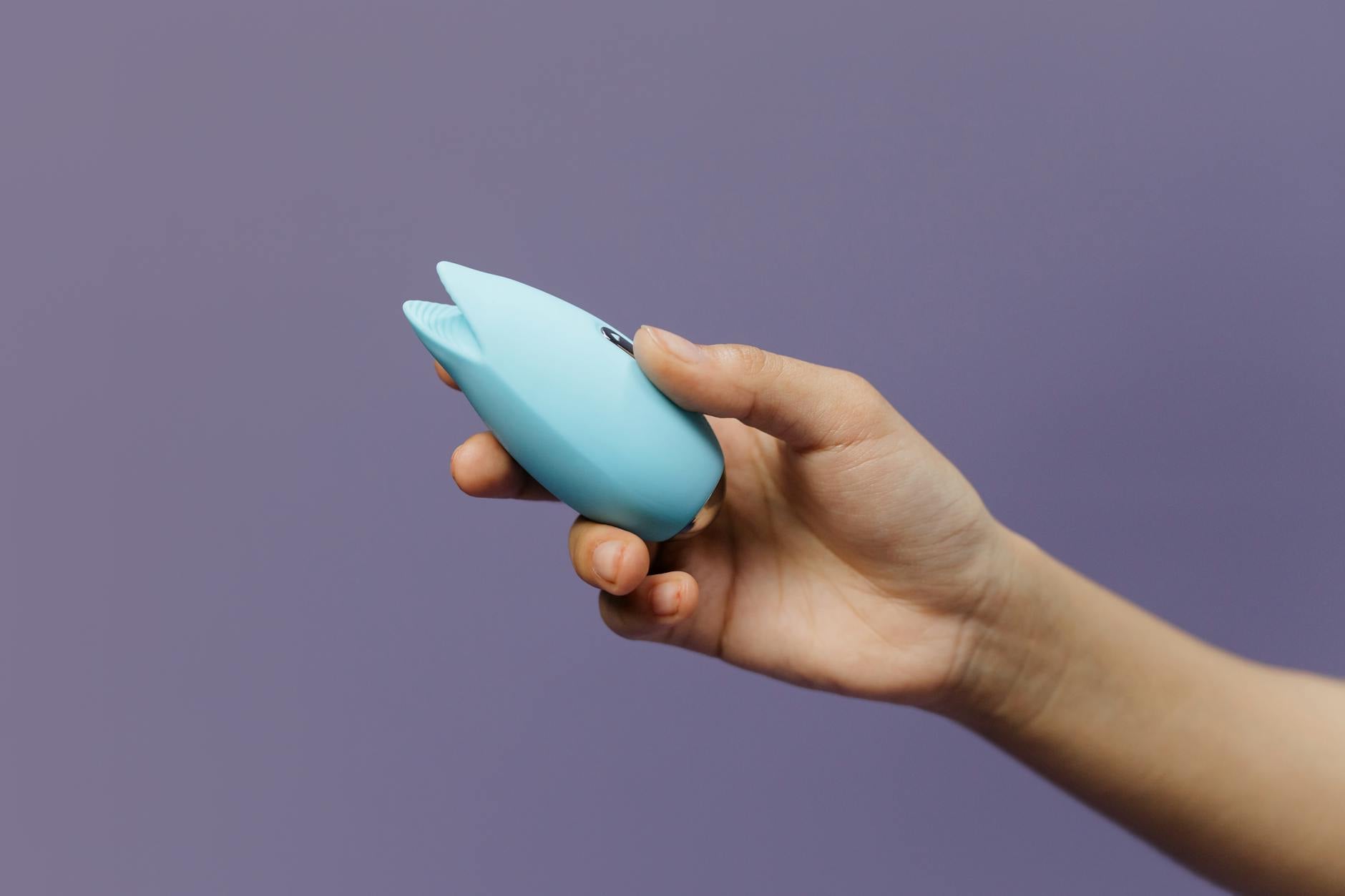
A lemon clitoral vibrator serves three specific functions when you're newly sober.
First, it gives your nervous system something focused to do. Instead of managing your own performance or navigating partner dynamics, you're just tracking sensation from a specific source. That narrow focus actually calms the overthinking part of your brain.
Second, the Lem's suction design creates a sensation that's different from what alcohol-mediated sex typically felt like. It's not trying to recreate the old experience. It's introducing something genuinely new, which means your brain isn't comparing it to the version of sex you had while drinking. You're not looking for what's missing. You're exploring what's here.
Third, and this matters, lemon adult toys work well for solo play, which is where I recommend starting. Solo exploration removes the pressure of performing for another person. You get to figure out your own sober pleasure before you introduce someone else into it.
Starting over with sensation, without judgment
Here's the practical part. When you pick up a lemon vibrator for the first time sober, expect your first session to feel strange. Not bad. Strange.
Start during a time when you have actual privacy and no time pressure. Give yourself 20 to 30 minutes minimum. Not because you need that long to orgasm, but because your nervous system needs time to settle into the novelty.
Begin with the device at pattern one or two. Low intensity. The point is not to chase an orgasm on your first try. The point is to notice what you notice. Temperature. Vibration speed. The pressure against your skin. Whether you want to use lube (you do. Always use lube.) What fantasies, if any, arise without alcohol telling your brain what to do.
This is detective work, not performance.
If you get distracted or anxious, that's normal. Your nervous system is learning that pleasure can happen without chemical assistance. It takes time to rewire that belief. If you get bored or nothing happens, also normal. Put the toy down. Come back tomorrow. Or the day after. This isn't a test you can fail.
The partner conversation, when you're ready
If you have a partner, the conversation about your sobriety and your changing sexuality is separate from introducing a lemon vibrator into partnered sex.
Start with the intimacy conversation first. Not the toy conversation. Let them know that you're learning what pleasure feels like sober. That it's an adjustment. That you're curious about rebuilding things together, but you need patience while your nervous system recalibrates.
Then, if and when it feels right, the vibrator can be part of that rebuilding. Some partners find it threatening initially. That's a conversation worth having directly. "I'm using this to learn my own body. It helps me be more present with you, not less." That's usually true.
If your partner is also sober, they're navigating the same unfamiliar territory. That's actually an opportunity to rebuild intimacy together without the filter of alcohol between you.
What to watch for: pain and anxiety
Since your nervous system is now hypersensitive, pay attention to two things.
If touching yourself with the vibrator creates actual pain, stop. Not soreness or intensity. Pain. That's worth bringing to a doctor, especially if you're on certain medications that can affect tissue health. But ordinary discomfort as you're learning—that usually passes as your body adjusts.
If you're having intense anxiety during solo play, or if you're using the vibrator to numb out instead of to feel more, check in with yourself honestly. Is sobriety hard and you're reaching for a different kind of escape? That happens. The solution is not to keep using the toy. It's to talk to your therapist or recovery sponsor about what you're actually needing.
Pleasure, even clitoral pleasure with a lemon vibrator, is not a replacement for the work of staying sober. It's a part of rebuilding your life in sobriety.
Building confidence, slowly
Some people feel genuine pleasure during their first or second solo session sober. Others need weeks or months to start feeling anything at all. Both are completely normal.
Your brain spent years learning that pleasure required alcohol. Your nervous system is relearning from scratch. That takes time. Be patient with yourself the way you'd be patient with a friend in the same situation.
Once you feel more comfortable solo, you can explore partnered use if that applies to you. Many people find that how to use a lemon vibrator during sex with a partner opens up conversations that were hard to have otherwise.
Sobriety gives you clarity. And clarity, eventually, opens up better sex. Not easier sex necessarily. Better.
FAQ: Sobriety and rebuilding pleasure
How long does it take for pleasure to feel normal again after getting sober?
There's no universal timeline, but most people report that basic pleasure sensation returns within 2-6 weeks of consistent solo exploration. Full comfort and confidence takes longer, usually 3-6 months. Your nervous system needs time to recalibrate. Be patient.
Can I use a lemon vibrator if I'm taking anti-anxiety medication as part of my recovery?
Most anti-anxiety medications don't affect clitoral sensitivity the way alcohol did. But some do make arousal slower. If you're noticing that, give yourself extra warm-up time and longer sessions. If pleasure doesn't improve after a month or two, check with your prescriber about whether adjustment is possible. Don't stop medication to pursue pleasure.
Is it normal to feel guilty using a vibrator while sober?
Yes, and it's worth unpacking. Sometimes guilt is tied to old messages about sex being shameful. Sometimes it's about feeling like you're replacing one escape with another. If it's the first, keep going and let the feeling pass with time. If it's the second, talk to your sponsor or therapist. Pleasure and escape are not the same thing.
Should I tell my partner I'm using a lemon vibrator solo if we're not currently having sex?
That's your call based on your relationship agreements. Some couples find that transparency builds trust. Others prefer privacy. There's no universal right answer. But if you're using it to avoid connecting with your partner, that's worth examining with a professional.
What if I still can't feel much pleasure after three months of trying with a clitoral vibrator?
Talk to your doctor. Sometimes pleasure stays muted for medical reasons: thyroid issues, hormonal imbalance, medication side effects. Sometimes it's neurological. And sometimes it takes longer than three months for your nervous system to wake back up. Therapy can help too, especially if your relationship with your body is complicated by trauma or addiction history.
Is it okay to use a lemon vibrator if I'm in a 12-step program?
There's nothing in any recovery program that prohibits pleasure or self-care. But if you're using it to escape feeling your emotions or to replace meaningful connection, that's worth exploring with your sponsor or therapist. The goal is to be more present in your life, not to swap one numbing tool for another.
You're rebuilding, not starting over
Sobriety isn't a blank slate. It's a reconnection to sensation you already have, just filtered through alcohol for so long that it felt unfamiliar. A lemon vibrator is a tool for that reconnection. Not a replacement for intimacy. Not a way to avoid the real work of learning who you are without substances.
Your pleasure matters. Your nervous system is capable of extraordinary sensation now that you're present for it. Give yourself time. Be kind to yourself. And know that rediscovering sex sober is one of the best parts of early recovery. You're not losing anything. You're gaining it all back, clearer this time.