Let's name what actually happened
Infidelity doesn't just break trust. It rewires your body's response to your partner. When betrayal happens, arousal becomes complicated. Your nervous system learned that this person is unsafe, even if your brain knows intellectually that you're trying to heal. That's not weakness. That's biology.
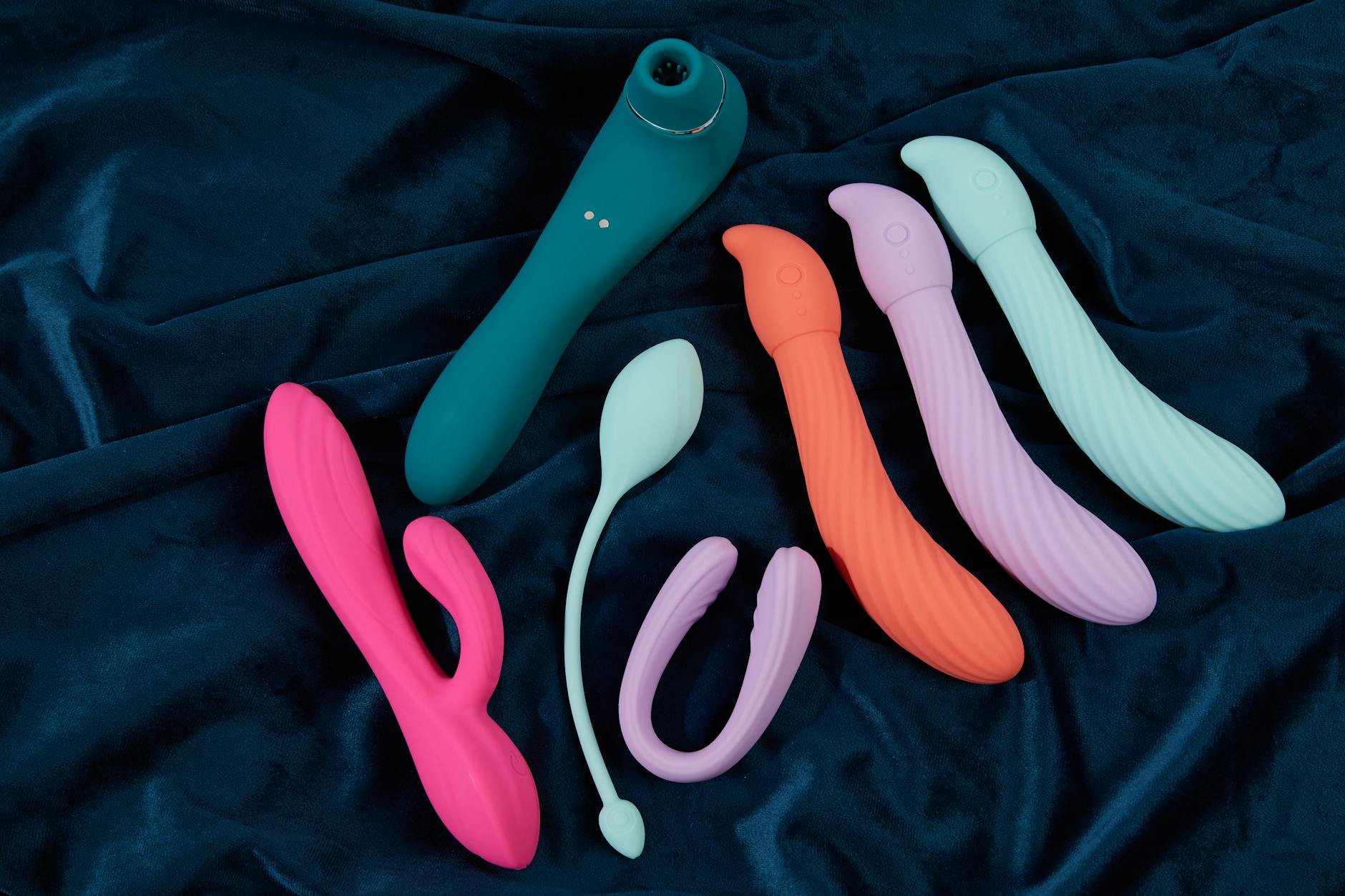
Here's what I see in couples work: the ones who rebuild physical intimacy fastest aren't the ones who try to "get back to normal" fastest. They're the ones who build something entirely new. A lemon vibrator can be part of that rebuild, but only if you understand what it's actually doing.
Why this matters more than you think
After betrayal, many couples skip physical touch entirely for months, then suddenly expect sex to work again. That gap makes things worse. The longer you avoid touch, the bigger the fear gets. Your body forgets how to relax around them. A clitoral vibrator is a circuit breaker. It gives you permission to be aroused without depending entirely on your partner for that arousal. That's not selfish. That's smart.
Data from infidelity researchers shows that couples who reintroduce pleasure slowly and deliberately recover faster than couples who try to force intimacy before the nervous system is ready. Using a lemon vibrator together isn't skipping the emotional work. It's a tool that lets the emotional work happen at the right pace.
Why a lemon vibrator specifically
The suction and air-pulse design of devices like the Lem changes how vulnerability feels. Traditional vibrators require constant direct pressure and intensity. That can feel overwhelming when you're already on edge around your partner. A lemon clitoral vibrator works differently. The gentler suction sensation is easier to accept and easier to ask for. You're not demanding intense pleasure. You're creating space for small moments of trust.
That matters psychologically. After betrayal, you need to practice being vulnerable in ways that feel controllable. Asking your partner to use a lemon vibrator on you is specific. It's bounded. It doesn't require full-body contact or penetration. You can experiment with touch in a container that doesn't trigger the full cascade of betrayal memories.
The three-stage approach to rebuilding
Stage one: Solo exploration (weeks one to four).
You need to reconnect with pleasure in your own body first, without your partner present. That's not punishment. That's foundation work. Use a lemon vibrator alone. Rediscover what feels good without the weight of his presence or the assumption that you're "fixing" the relationship. Spend 15 to 20 minutes once or twice a week just experiencing your own arousal again. Your partner doesn't need to know the exact timeline. Just do it.
Stage two: Parallel pleasure (weeks five to eight).
Once you've reclaimed solo arousal, try this: you use the lemon vibrator on yourself while your partner is in the same room, maybe touching themselves too. No eye contact required. No conversation. Just parallel experience in the same space. This is where your nervous system starts to learn that pleasure and his presence can coexist. Keep it brief. 10 to 15 minutes. The point isn't to have an orgasm together yet. The point is proximity without pressure.
Stage three: Guided touch (weeks nine plus).
When you're ready, ask him to hold the vibrator while you direct. "Move it a little left. Slower. Right there." You're in control. He's following. This reverses the power dynamic that infidelity created. You're not waiting for him to know what you want. You're teaching him. You're demonstrating what safety with him looks like now.
The conversation that has to happen first
Don't surprise your partner with a lemon vibrator and expect it to feel okay. You need to talk about what this tool represents. Say something like: "I want to rebuild our physical connection, but I need to do it slowly. Using a vibrator together feels like a way to practice being close without the pressure of full sex. I'm not trying to replace you. I'm trying to learn how to be aroused around you again."
If he responds defensively ("Are you saying I can't satisfy you?"), that's a sign you both need a couples therapist before you add any tools. A lemon vibrator can't fix a partner who's threatened by your pleasure. It can only help a partner who's genuinely committed to rebuilding.
What to avoid
Don't use it as a substitute for the actual emotional repair. You can't vibrate your way out of betrayal. Therapy, accountability conversations, and genuine change from your partner have to happen alongside this.
Don't let him take over too quickly. If you move to stage three and it doesn't feel safe, go back to stage two. Your nervous system gets to decide the pace, not his timeline.
Don't assume one lemon vibrator session means you're "fixed." Healing isn't linear. Some weeks you'll feel ready to try more. Other weeks you'll need to go back to solo work. That's normal.
When pleasure starts to feel different again
One of the shifts I notice in couples who rebuild successfully is that physical pleasure becomes less about performance and more about presence. Without the pressure to"prove" anything, arousal gets quieter and steadier. That's actually easier to sustain than the high-intensity version you might have had before. A clitoral vibrator makes that shift easier because the sensation itself is gentle.
After several weeks of consistent, low-pressure exploration, many couples report that they feel closer than they did before the betrayal. That's not because the betrayal was a gift. It's because they finally learned how to communicate about pleasure and vulnerability. They had to rebuild from scratch, and scratch turned out to have a better foundation.
When to bring in professional support
If you're more than eight weeks into this and you still feel disconnected, or if touch triggers panic, you need a trauma-informed sex therapist alongside your couples counselor. Betrayal trauma is real. A lemon vibrator can help, but it's not a replacement for professional guidance.
Also, if your partner continues to minimize the infidelity or refuses to take responsibility, stop. Don't keep trying to rebuild physical intimacy with someone who isn't doing the emotional work. That's not love. That's damage control.
FAQ: Rebuilding after infidelity
How long does it actually take to feel physically close to your partner again after infidelity?
There's no fixed timeline. I've seen couples feel physically reconnected after four to five months of intentional, consistent effort. Others take a year or longer. The key is consistent action, not speed. If you're not making any progress after six months, that's when you need to reassess whether the relationship is actually worth rebuilding.
Is it normal to feel nothing when my partner touches me after infidelity?
Completely normal. Your body is protecting you. Numbness after betrayal is a survival mechanism, not a sign that you don't love him. That numbness usually starts to soften after weeks of consistent, gentle touch and parallel pleasure work. A lemon vibrator can help because it reintroduces sensation on your own terms.
Can we skip straight to having sex again, or do we really need to do all these stages?
Skipping stages almost always backfires. You'll either dissociate during sex (feel numb or distant) or trigger panic responses. The stages aren't busy work. They're rewiring your nervous system to feel safe again. Rush it and you'll have to start over.
What if my partner doesn't want to use a vibrator?
That's worth exploring. Is he uncomfortable with vibrators in general, or is he uncomfortable with the idea that you need something beyond his touch to feel pleasure? Those are different issues. A partner who's genuinely committed to healing will be willing to try something that helps you feel safe. A partner who refuses is showing you something about his willingness to do the work.
Should we tell our therapist we're using a vibrator to rebuild intimacy?
Yes. A good couples or sex therapist will normalize this completely. They might even suggest it. If your therapist shames you for using a clitoral vibrator or lemon sucker as a healing tool, find a different therapist.
Is it cheating if we use a vibrator together?
No. You're rebuilding your sexual relationship with your partner. Exploring new ways to be intimate together is the opposite of cheating. It's repair.
The slow path back
Rebuild with intention, not with speed. A lemon vibrator isn't magic. But it is a permission structure. It says: pleasure is safe again. Your body matters. Your needs matter. And your partner can be part of that, when you're ready. Infidelity breaks the path forward. These stages help you build a new one.