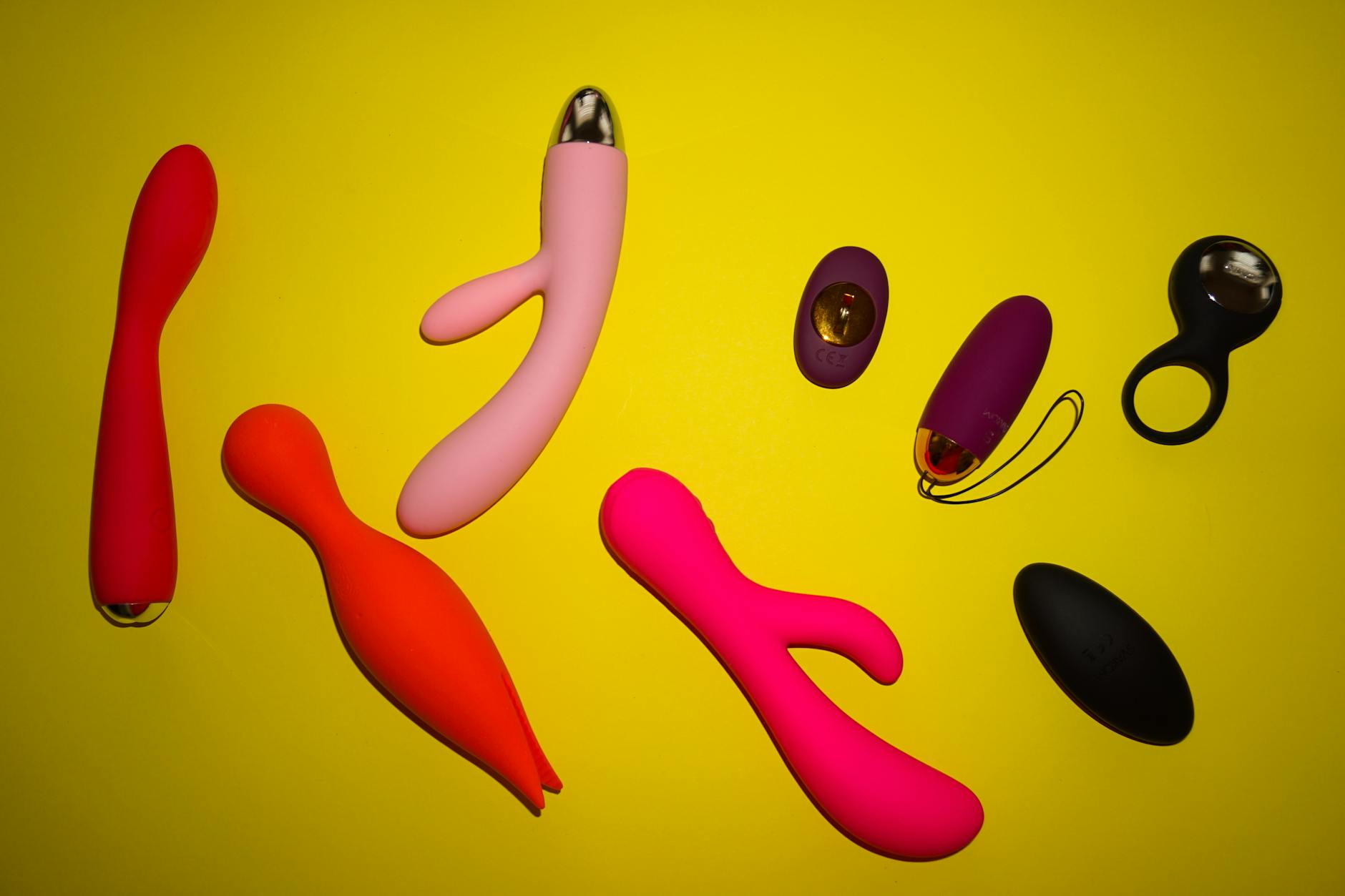
The nervousness is normal, and also fixable
You want to use a lemon vibrator with your new partner. But you're worried they'll think you're not satisfied, or that you're asking for something weird, or that the whole thing will feel clinical instead of intimate. Here's what I hear in my practice: this is one of the most common fears in early relationships, and it's almost never rooted in reality.
The partners who react badly to a lemon clitoral vibrator are rare. The partners who get genuinely excited and want to help are far more common than you'd think. But there's a way to frame this that makes all the difference.
Why lemon vibrators feel like a bigger conversation than they are
A lemon vibrator isn't a statement about your partner's performance. It's not a criticism. It's a tool, the same way lube is a tool. But somewhere between sex ed class and a thousand romantic comedies, we've learned to treat pleasure tools like relationship red flags.
Here's the reframe: introducing a lemon sexual toy into a new relationship is actually a sign of trust and openness. It means you're comfortable enough to ask for what you want. Most people respect that. Many find it attractive.
The nervousness you're feeling is real. The risk you're imagining is usually not.
When to bring it up (timing matters more than you think)
Don't open with it outside the bedroom. Don't text it. Don't wait until you're already intimate and suddenly produce one like a magic trick.
The sweet spot: you've been together long enough that you're already having honest conversations about what feels good. Usually that's somewhere between week two and week six, depending on how frequently you're seeing each other. You've had sex a few times. You're comfortable enough that saying "here's what I like" doesn't feel like a confession.
Then, outside the bedroom but in a relaxed moment, you mention it. Not as a question that needs permission. More like sharing a preference.
The actual conversation (three scripts that work)
Script one (lighthearted and direct): "Hey, so I really enjoy using this clitoral vibrator when I'm on my own. I'd love to use it with you sometime if you're into it. No pressure at all, just wanted to put it out there."
Script two (emphasizing connection): "I know what makes my body feel good, and I'd love to explore that together. I have this tool that helps me get there faster. Would you be interested in trying it together?"
Script three (if you're worried about rejection): "I'm a little nervous bringing this up, but I trust you. I use this lemon vibrator sometimes and it honestly makes everything feel better. Would you want to experiment with me?"
Notice what all three have in common: you're stating a fact about yourself, not asking if it's okay to have preferences. You're framing it as shared exploration, not as something you need him or her to fix. And you're giving them space to say no without it being a crisis.
Most people say yes. Many say yes and then ask questions about how it works, what you like about it, where to buy one. That's the conversation you actually want.
What happens if they're hesitant
Some partners need more time. Some worry about their own role in your pleasure. Some just need to understand that a lemon vibrator isn't replacing them, it's enhancing what's already happening between you.
If your partner hesitates, ask one clarifying question: "What's making you hesitant?" Listen to the actual answer. It's usually one of three things. "I'm worried I'm not enough." (You reassure them.) "I don't really understand what it does." (You explain, or you show them.) "I'm just not into it." (That's a boundary, and you respect it.)
Respecting a boundary here doesn't mean you give up your pleasure. It means you have a longer conversation about what works for both of you. Maybe they're comfortable with you using it alone but not together. Maybe they need to take it slower. Maybe you realize this is actually a compatibility thing worth taking seriously early.
But statistically, hesitation is temporary. Given a few days and the right information, most partners come around.
How to actually use it together (the non-awkward version)
Once you've had the conversation and they're on board, here's how to make it feel natural instead of staged.
First time: use it the way you normally would, just with them present. Let them see what you like. This is information for them. They're learning your body. Don't narrate it or make it a performance. Just enjoy it. They'll watch, and most of the time, they'll get interested in helping.
Second time: they can hold it while you guide their hand. This gives them agency and makes it feel collaborative. Your lemon clitoral vibrator becomes something you're doing together, not something you're doing while they watch.
Third time and beyond: you figure out what works for you both. Maybe you use it during foreplay. Maybe during penetration. Maybe as the main event. There's no script here. The whole point is that you're exploring what feels good together.
One practical note: most lemon vibrators work with lube. Silicone toys pair well with water-based lube. This isn't weird. It's smart. Mentioning it casually ("I'm just going to grab some lube") normalizes the whole thing.
The insecurity that usually comes up
Sometimes, even if your partner is enthusiastic, you'll feel a twinge of something. Maybe you worry you're "too much" or that needing a vibrator means something's wrong with your body. That's worth sitting with for a minute.
Here's what I tell clients: needing a lemon vibrator doesn't mean your body is broken. It means your body works in a specific way. Some people orgasm fastest with direct clitoral suction. Some need a longer build-up. Some need a specific rhythm. None of that is wrong. All of it is normal.
If you're using a lemon sexual toy because it helps you get there faster, that's not a statement about your partner. It's a statement about your body. And any partner worth keeping will get that.
When to involve them in buying it
This is optional, but some couples enjoy shopping together. If your partner's curious about how a lemon clitoral vibrator works, taking them through the options (or at least showing them online) can make the whole thing feel less mysterious.
Otherwise, just get one you like. Your body is the one that has to be comfortable with it. Their comfort comes second to that.
FAQ
Will using a lemon vibrator with my new partner make them think I don't enjoy sex with them?
Probably not, but here's why you might worry: you've been taught that pleasure should be simple and effortless. In reality, pleasure is complicated and specific. A lemon clitoral vibrator makes your pleasure easier to access, which actually means more pleasure for both of you, more often. Most partners figure this out pretty quickly.
How do I bring it up if I've already been dating for a few months and haven't mentioned it?
The same way you'd bring up any preference you haven't mentioned yet. "I realized I never told you this about myself, but..." works fine. You don't need to apologize for not mentioning it sooner. You're mentioning it now. That's what matters. People change their minds and become more comfortable sharing things all the time. It's not a red flag, it's just how trust builds.
What if they want to use a lemon vibrator on me but I've never used one?
Then you've just learned something new about your partner. Let them try. Give feedback. Your body will tell you pretty quickly if it's the right amount of stimulation or if you need to adjust intensity or pattern. There's no embarrassment in saying "I need less pressure" or "I want to try a higher setting." You're learning together.
Is it weird to use a lemon vibrator during penetration?
No. It's actually pretty common. The clitoral stimulation and vaginal stimulation happening at the same time create a different sensation for a lot of people. If you want to try it, just mention it casually and see how your partner responds. Most will be game to experiment.
What if my new partner mentions they want to use a lemon vibrator with me?
Take it as a compliment. They're asking for more pleasure, more connection, more of what you're giving them. This is the healthy version of what you're nervous about. Help them get what they want. Ask questions if you don't know how something works. The fact that they're bringing it up means they trust you.
How do I know if my new partner is actually okay with the vibrator or just pretending?
Watch for curiosity. Okay partners are neutral or positive. Actually into it partners ask questions, want to help, maybe suggest trying it at different times. If they seem uncomfortable after a few times, bring it back to conversation. "I'm sensing maybe this isn't your thing. That's totally fine. Let me know what you're thinking." The quiet discomfort is the only real red flag. Handle it by talking about it directly.
The truth underneath all of this
Introducing a lemon vibrator to a new partner is a conversation about trust, vulnerability, and what you need to feel good. It's one of the smallest big conversations you'll have in a relationship. The nervousness makes sense. The risk is usually smaller than your anxiety suggests.
Start the conversation. See what happens. Your partner's response will tell you something important about whether you're compatible and whether they're willing to show up for your pleasure. Either way, you'll have your answer. And that's worth knowing early.
If you're still feeling stuck about how to navigate this or other early-relationship questions, reach out. That's what we're here for.