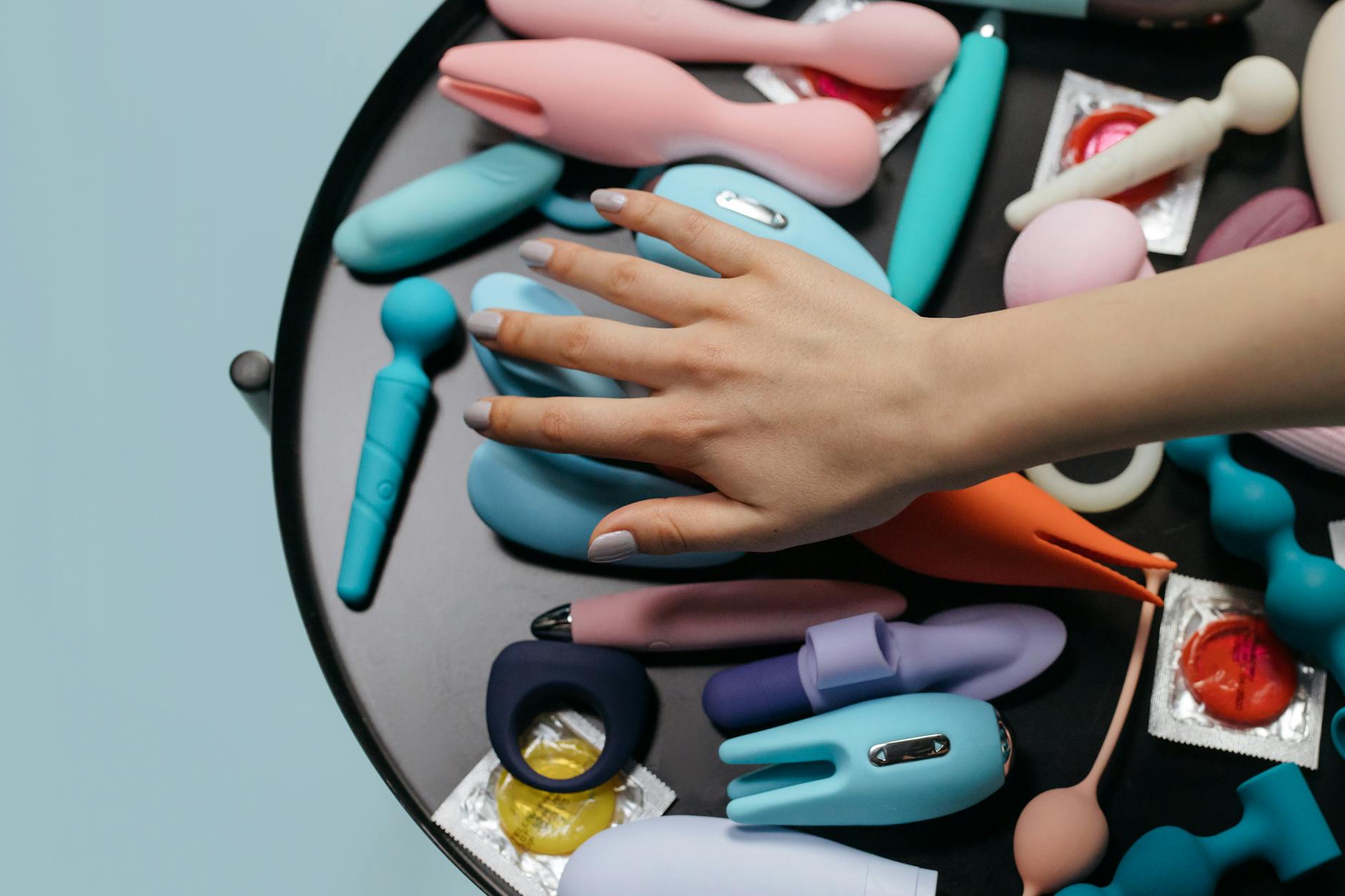
Let's start here: you get to ask for what you want
If you're dating someone new after forty, there's a good chance you've spent years—maybe decades—editing yourself. Prioritizing someone else's comfort over your own pleasure. Assuming things like vibrators or clitoral focus were either shameful or just not part of your relationship vocabulary.
Here's the thing: that era is over. And bringing a lemon vibrator into a new relationship isn't bold or weird. It's actually one of the clearest signals you can send that you know yourself and you're not interested in pretending otherwise.
Let me walk you through how to do it.
Why over forty makes this different
There's something that shifts when you've already lived half your life. You're not trying to figure out who you are anymore. You've survived heartbreak, career changes, maybe a marriage or two. You've learned what actually matters to you in bed and what doesn't. That confidence—not arrogance, just clarity—is magnetic.
So when you introduce a lemon clitoral vibrator to a new partner, you're not apologizing. You're not framing it as a "special thing we're trying." You're just acknowledging that this is part of how your body works best, and you'd like them to be part of that.
Older partners often respond better to this directness. They've had enough partners to know that people's bodies are different. They're less likely to take it personally ("Am I not enough?") because they've learned that pleasure isn't a zero-sum game.
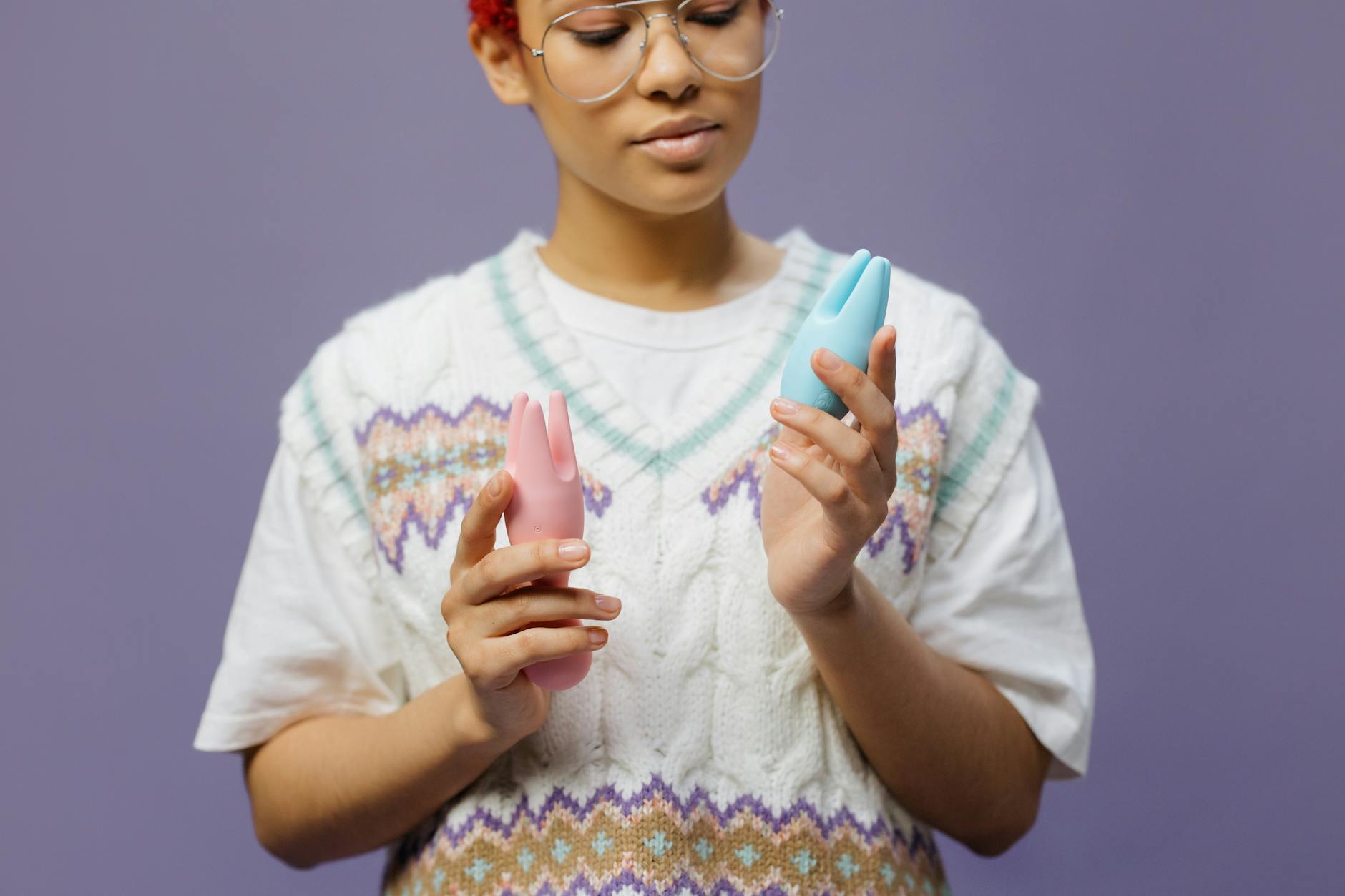
Photo by cottonbro studio on Pexels
The conversation: when and how
Timing matters. Don't bring it up in the middle of sex—that's reactive and can feel jarring. Don't mention it over dinner on a first date, either. Instead, wait until you've had good sex a few times, you're comfortable with each other, and the relationship feels solid enough to handle a small vulnerability.
Then say something like this: "I've been thinking about us, and I want to tell you something about how my body works best. I use a vibrator when I masturbate, and I'd really like to try it with you. It's not about anything being wrong. It's just that direct clitoral stimulation gets me there in a way that feels good." Stop there. Don't over-explain. Don't apologize.
Your partner's job is to respond with curiosity or openness. If they respond with defensiveness or shame, that tells you something important about whether this person can be present with your actual body and your actual needs. That information is valuable.
Most people who are worth dating will say something like, "Okay, how do we do this?" That's the response you're looking for.
The physical setup: making it feel natural
When you're ready to use a lemon vibrator with your new partner, keep it simple. Here's what I recommend:
1. Let them watch first. Before you use it together, show your partner how you use it alone. This removes mystery and helps them understand your rhythm. It's also genuinely hot—most partners find watching you pleasure yourself incredibly arousing, and it takes pressure off them to "do it right."
2. Position it so they can stay close. The worst setup is one where you're isolated with the vibrator and they're awkwardly on the sidelines. Instead, keep your partner involved. They can use their hands on you elsewhere—your breasts, your neck, your inner thighs. A lemon clitoral vibrator creates space for their hands to wander while you handle the direct stimulation.
3. Start with low intensity. Especially if this is the first time using a lemon sexual toy together, begin at setting 1 or 2. You know your body—you can adjust up. But your new partner is watching and learning your responses. Give them time to see what makes your breathing change, when your body tenses, when you push closer.
4. Use it as a lead-in, not the finale. Lots of people over forty use their lemon vibrator to build arousal before partnered sex. This removes the pressure of a long warm-up and lets both of you enjoy penetration or other activities when you're already genuinely ready. It's efficient and it works.
Handling the emotional stuff
Here's what I've seen in decades of working with couples: the lemon vibrator itself isn't complicated. What's complicated is the story people tell about it.
If your new partner grew up in a culture where women's pleasure was taboo, they might feel threatened by your vibrator. They might interpret it as "she doesn't need me." That's their stuff to work through, not yours to manage. You can say, "My body works this way. I'm inviting you to be part of it. That's me showing up with you, not me shutting you out."
If you grew up feeling shame around your body or your sexuality, bringing a vibrator into a new relationship might activate that old story. You might feel like you're being "too much" or "too demanding." That's the old script. Your new script is: "I deserve pleasure. I deserve a partner who celebrates that." Full stop.
One more thing: if you're nervous about performance or about whether you'll orgasm, tell your partner that too. Vulnerability builds trust faster than anything else. "I'm a little nervous because I want this to feel good. Can we just take our time?" That's not weakness. That's wisdom.
What changes once you bring a lemon vibrator into the relationship
Once you've used your lemon clitoral vibrator with your partner a few times, something shifts. The vibrator stops being This Weird Thing and becomes just... part of how you two have sex. Your partner learns your body faster. You relax more. The pressure to perform a certain way evaporates.
You might also discover that direct clitoral stimulation feels different—sometimes better, sometimes just different—when someone you care about is touching you elsewhere. Some people orgasm more easily this way. Others find that they prefer it solo. Both are totally normal.
Over time, you might find that your partner wants to hold the vibrator, or wants to use it on you while you're inside them, or wants to explore other lemon adult toys together. Or you might just keep using it the way you are now. The point is: you've opened a door to communication about pleasure, and that changes everything.
The practical stuff: care and comfort
If you're using a lemon vibrator with a partner, a few basics: use water-based lubricant only (silicone lube can damage certain toys). Wash the vibrator before and after with warm water and mild soap. If either of you has any cuts or open skin, skip it that day. These aren't rules to shame you—they're just how you keep your body and your toy in good shape.
Also: bring it up with your partner if anything feels uncomfortable. Some people find the suction sensation of certain clitoral vibrators too intense at first. Others need a few sessions to relax into it. Communication during sex isn't awkward—it's essential. "That's too much, can we go slower?" or "A bit to the left?" These are normal sentences to say.
Why this matters at forty and beyond
When you were younger, maybe you adapted to what your partners wanted. You learned to be quiet, to prioritize their pleasure, to ignore what actually felt good because the cultural script said that's what "good girlfriends" do.
Now you know better. You know that pleasure is not a reward you earn through compliance. You know that your body's needs are legitimate. You know that a partner worth keeping is one who gets genuinely excited about your orgasm, not threatened by it.
A lemon vibrator is just a tool. But the act of bringing it into your new relationship is an act of self-advocacy. It's saying: I know myself. I know what I need. I'm not apologizing for it, and I'm looking for someone who celebrates it.
That's not just better sex. That's a better foundation for a relationship.
FAQ: using a lemon vibrator with a new partner after forty
How do I know when to tell my partner about my vibrator?
After you've had good sex a few times and the relationship feels solid enough to handle a small vulnerability, but before things get so serious that silence feels like hiding. Usually that's within the first month or two. The key is not waiting so long that it feels like a confession.
What if my partner is weird about it?
Their reaction tells you something important about them. A good partner—especially one over forty—will be curious or at least open. If they're defensive or ashamed, that's a sign that their relationship to pleasure (and to yours) might not be as healthy as you need. You're allowed to have boundaries here.
Can we use the vibrator during penetration?
Yes. Many people find that using a lemon clitoral vibrator during penetration intensifies sensation and orgasm. Some positions work better than others—generally positions where your clitoris isn't blocked work best. Communicate with your partner about what feels good.
Will using a vibrator make regular sex feel boring?
No. Your body doesn't "get addicted" to vibration in a way that ruins other sensations. You might find that you prefer direct clitoral stimulation during partnered sex, which is fine. You might also find that you enjoy lots of different kinds of touch. Most people do.
What if I can't orgasm with my partner watching?
That's incredibly common, especially at first. Performance anxiety is real. Take the pressure off by using the vibrator alone a few times first, then gradually involving your partner—maybe they just watch, maybe they touch you elsewhere, maybe eventually they hold the vibrator. There's no timeline.
Is it weird if my partner wants to use the vibrator on me?
Not at all. Some partners love learning this new way to please you. Give them permission to experiment. You can always guide them: "A bit slower," "More pressure," "Try this setting." It's actually a beautiful form of intimacy—them learning your body on purpose.
The bottom line
You're over forty and you know what you want. A lemon clitoral vibrator isn't a substitute for partnership or a sign that something's wrong. It's a tool that helps you feel better in your own body. Bringing that into a new relationship isn't shameful or complicated—it's honest.
The right partner will get it. The right partner will be excited about it. And if your new partner isn't? That's information you need before you invest more time.
Your pleasure matters. Your body matters. And you don't owe anyone an apology for either.
Ready to have this conversation? Start with honesty. Start with your own confidence. The rest follows.