Let's be real about the early-dating conversation
You're three months in. Things are heating up. And you're thinking about introducing a toy. Panic mode activated. Here's what you're actually worried about: will they think you're not satisfied? Will it feel weird? Will it kill the spontaneity?
Those concerns make sense. And they're also completely normal to feel while being totally addressable.
Why the early phase is actually perfect timing
Most couples wait years to introduce toys, then frame it as a "fix" for something broken. That's backwards. Early dating is when you're still learning what you both like, still curious about each other, still in the phase where trying new things feels exciting instead of loaded.
Honestly, the hardest part isn't using the toy. It's the three-minute conversation before. Once you've had that talk, the actual experience is straightforward.
I've worked with hundreds of couples navigating this exact moment. The ones who bring it up early report less shame, more enthusiasm, and paradoxically more genuine spontaneity long-term because there's no secret hanging over intimacy.
How to open the conversation without it feeling clunky
Timing matters. Not during sex. Not right before bed when they're tired. Pick a moment when you're both relaxed, clothed, and there's no pressure.
Three scripts that actually work:
Script 1 (casual, forward-thinking). "I've been thinking about what we both enjoy in bed, and I'm curious about trying something together. Nothing crazy, just exploring. Would you be open to that?"
Script 2 (specific, low-stakes). "I have a clitoral vibrator I really like using solo. I was wondering if you'd want to try it together sometime. No pressure if that's not your thing."
Script 3 (curiosity-led, builds connection). "What's something you've always wanted to try but felt shy about? I've been thinking about that question myself."
Notice what these don't do. They don't apologize. They don't position the toy as a band-aid for inadequacy. They don't ask permission in a way that signals shame.
The tone should be matter-of-fact, warm, curious. Same energy as suggesting a new restaurant.
What to expect when you actually use it together
First session nerves are real. That's fine. They're also temporary.
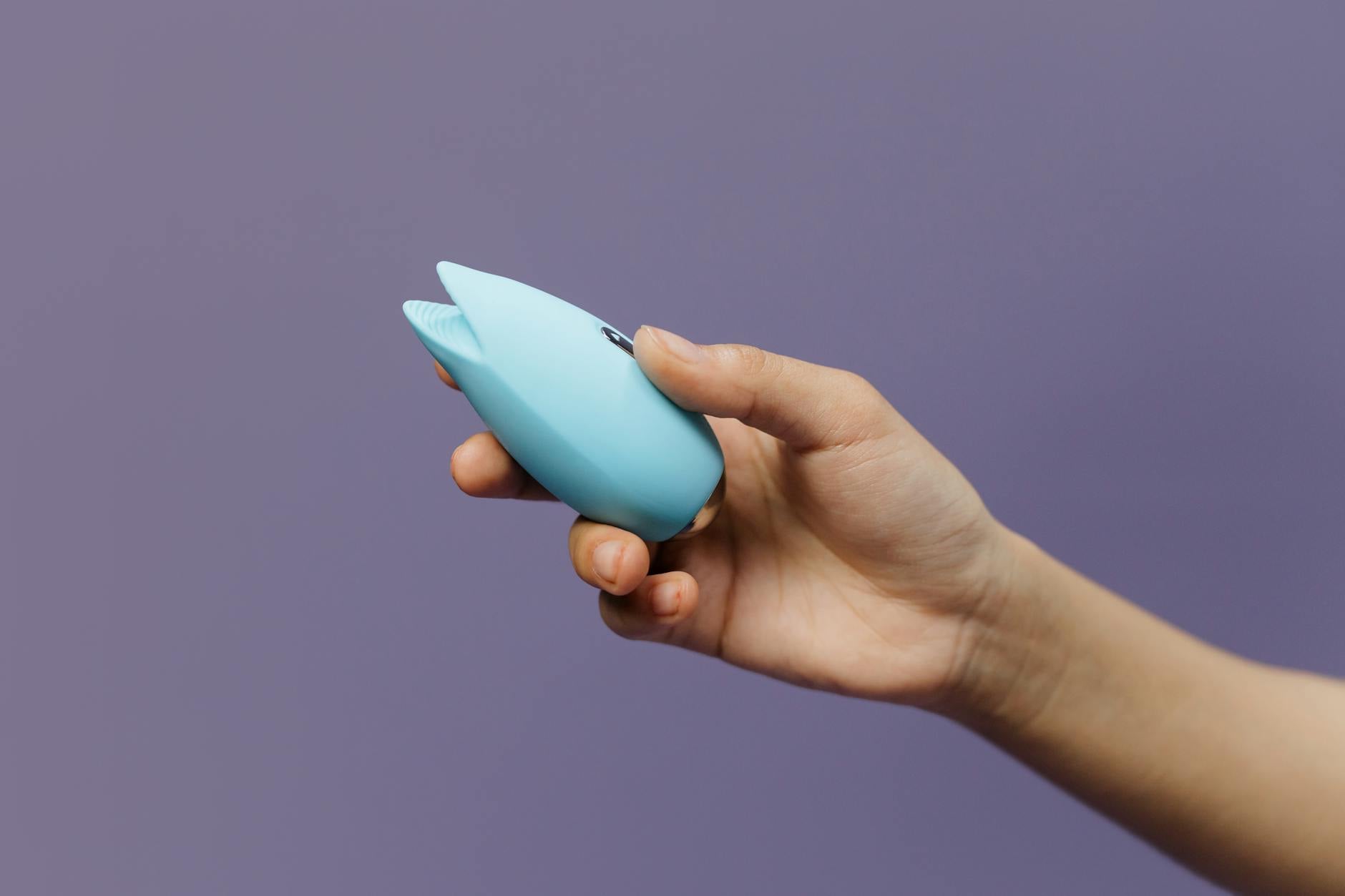
Lemon vibrators like the Lem work exceptionally well in early-dating scenarios because they're less intimidating than larger wands. The clitoral suction design feels completely different from a penis or a hand. That novelty can reduce comparison anxiety for both of you. You're not thinking about what you "should" be doing. You're both just experiencing something new.
Start clothed, in a relaxed setting. Let them hold it first if they want. Actual penetration or direct use can come later. Sometimes the hottest part of introducing a toy is the playfulness, the permission to slow down, the intimacy of problem-solving together.
If they're hesitant at first, that's normal too. Curiosity usually follows openness. Let them ask questions. Let them watch you use it solo first if that helps them get comfortable. This isn't a performance.
The real conversation happening beneath the toy talk
Here's what introducing a toy early actually signals to a partner: I want us to prioritize pleasure. I want us to explore together. I trust you with something vulnerable. I want this to feel good for me, and I want to figure that out with you.
That's relationship-building language.
My clients often report that the conversation about toys is actually a gateway to much deeper conversations. Once you've said "here's something I want sexually," the door opens to other conversations. What you both fantasize about. Where you want this relationship to go. What you need emotionally.
The toy is almost beside the point. The real intimacy is in the willingness to be honest about desire.
When they say yes but seem uncomfortable
Common scenario: they agree to try it, but their body language reads uncertain. They're being accommodating, not enthusiastic.
Pause. Check in. "This doesn't have to happen right now. Or ever, if you don't want to. I just want to know what feels good for you."
Then actually listen to the answer. Sometimes they need more time. Sometimes it's not their thing, and that's genuinely fine. Sometimes they're concerned about specific things: noise level, cleanup, whether it will change the dynamic.
Address those concerns directly. Lemon vibrators are quiet. Water-based lube is easy to clean. A toy doesn't replace anything. It's an addition.
The goal isn't to use the toy. The goal is to know each other better. The toy is just a tool for that.
The post-use conversation that matters more
After, talk about it. Not in a clinical way. Just genuinely. Did you like it? What felt good? What felt weird? Would you do it again? What did you think about me using it?
That conversation is where the real intimacy lives. You're getting feedback. You're showing curiosity about their experience. You're building a template for honest communication about pleasure.
Many couples report that introducing toys early creates a dynamic where sex stays playful and curious instead of becoming routine. Because you've already set a precedent: we talk about this stuff, we try things, we're both invested in everyone feeling satisfied.
A note on insecurity and comparison
Some partners worry that a toy means they're not enough. Preemptively address this if you sense hesitation.
"A vibrator does one thing really well. It doesn't do what your hands do, or what your attention does, or what your body does. I want all of it. The vibrator is just part of the experience, not a replacement."
That's true. A clitoral vibrator feels different from fingers or a penis because it's engineered to feel that way. Different doesn't mean better or worse. Most people who use toys during partnered sex report that they feel closer to their partner, not more distant, because they're less in their head about performance and more present in the experience.
Why early dating actually has an advantage
You haven't built up years of anxiety about your sexual dynamic yet. You're still in a phase where you're allowed to be imperfect, to laugh at awkwardness, to pivot if something isn't working.
That permission to be flexible is gold. A long-term couple might have higher stakes around introducing toys because they've been sleeping together for a decade without them. Early on, it feels like exploration. Later, it can feel like a referendum on the relationship.
Bring it up now, and it's just you two figuring things out together. Exactly where you want to be.
When it goes better than expected
Many couples find that introducing a lemon vibrator in the early phase becomes a favorite shared experience. Not just the mechanics of using it together, but the whole arc. The conversation. The curiosity. The permission to ask for what feels good. The shared experience of trying something new.
That becomes a template for how you approach other conversations later. How you handle conflict. How you ask for what you need. How you stay curious about each other instead of taking things for granted.
A toy isn't just a toy. It's a conversation starter. A vulnerability practice. A way of saying I want us to keep exploring, even when things are already working.
Introduce it in that spirit, and you're not risking the spark. You're deepening it.