The script you actually need
Let's be real. Most of us didn't grow up learning how to say "I want to use a vibrator during sex" out loud. That silence gets encoded as shame, or worse, as something you can't say. But here's the thing: the conversation isn't as fragile as it feels in your head.
I've worked with hundreds of couples on this particular stumbling block, and the ones who get through it smoothest are the ones who separate the logistics from the emotion. You're not confessing. You're not saying anything's wrong. You're just proposing something that could feel better. That distinction changes everything.
Why the conversation matters more than the toy
People often assume the tension is about the lemon vibrator itself. It's not. It's about what they think the vibrator means. "If you want a vibrator, does that mean I'm not enough?" Or on the flip side: "Why would I introduce this if they don't ask for it? Will they feel hurt I want it?"
Neither of those is true, and both of those feelings are worth naming before you even mention the toy. If your partner feels like a vibrator is a referendum on their performance, no clitoral vibrator—not even the best lem vibrator on the market—will fix the sex. But a conversation that clarifies your actual desire? That shifts everything.
Research on couples and sex toys shows the same pattern: partners who can talk openly about pleasure and preferences report higher satisfaction with sex and with the relationship overall. The vibrator is just the visible part of a bigger skill: being able to ask for what you want.
Timing: when to have this conversation
Three things that absolutely should NOT happen:
- Don't bring it up mid-sex. Ever. That's not a conversation, it's a surprise demand, and surprises during sex are almost never welcome.
- Don't text it. You need tone of voice and the ability to pause and respond. Words alone get misread instantly.
- Don't lead with the toy. Lead with the desire.
The sweet spot is a non-sexual moment when you're both relaxed and have privacy. Not in the kitchen during meal prep. Not when they're stressed about work. Think: evening after you've eaten, after the kids are in bed, or a quiet weekend morning. Basically, whenever you'd normally have a conversation about something mildly vulnerable.
You don't need a "special talk" vibe. You're not announcing the conversation is coming. You just mention it naturally when the moment feels right. "Hey, I've been thinking about something I want to try" is enough.
The opening that works
Here's the frame I recommend:
"I've been enjoying our sex, and I want to explore something that might feel even better for me. I've been thinking about trying a clitoral vibrator during sex—something like a lemon sucker or a lem vibrator. I wanted to talk about it with you first because this is something we do together."
Why that works:
- "I've been enjoying our sex" = compliment, reassurance, context
- "I want to explore" = this is about your pleasure, not dissatisfaction
- "might feel even better" = this is an upgrade, not a replacement
- "I want to talk about it with you" = you're inviting collaboration, not making a unilateral decision
- "because this is something we do together" = you see sex as a shared experience, and you're treating the decision that way
Tone matters wildly here. You're not apologizing. You're not hesitant. You're matter-of-fact and warm. Think: "I want to try a new restaurant we both might like" energy, not "I have something terrible to confess" energy.
What they might say (and how to answer)
Most common response: "Do you mean you want me to use it on you, or you'll use it on yourself?"
You probably already know the answer, so be specific. "I'd love it if you'd learn how to use it with me during sex" or "I want to use it on myself while we're together" or "Maybe we try it both ways and see what feels good." That specificity actually reduces anxiety because they're not left guessing.
Other response: "Do I not do enough for you?"
This one's the most vulnerable. They're worried they're failing. Your answer: "No, that's not what this is. You're great at sex. This is just another layer—like how sometimes you want to try a new position or a different pace. It's adding something, not replacing something."
Tricky response: "I'm not sure how I feel about that."
Perfect. That's honest, and it's not a no. You say: "That's fair. We don't have to decide right now. What questions do you have?" Then answer them. Let them sit with it. Bring it up again in a few days if they don't.
Rare response: A hard no, no explanation.
That's a boundary, and it's worth respecting. But also worth circling back to later with curiosity, not pressure. "Hey, when you said no to the vibrator, that felt important. Can we talk about what that was about?" Sometimes the no is about the toy. Sometimes it's about feeling disconnected in the relationship. Only conversation will tell you.
Showing them what you mean
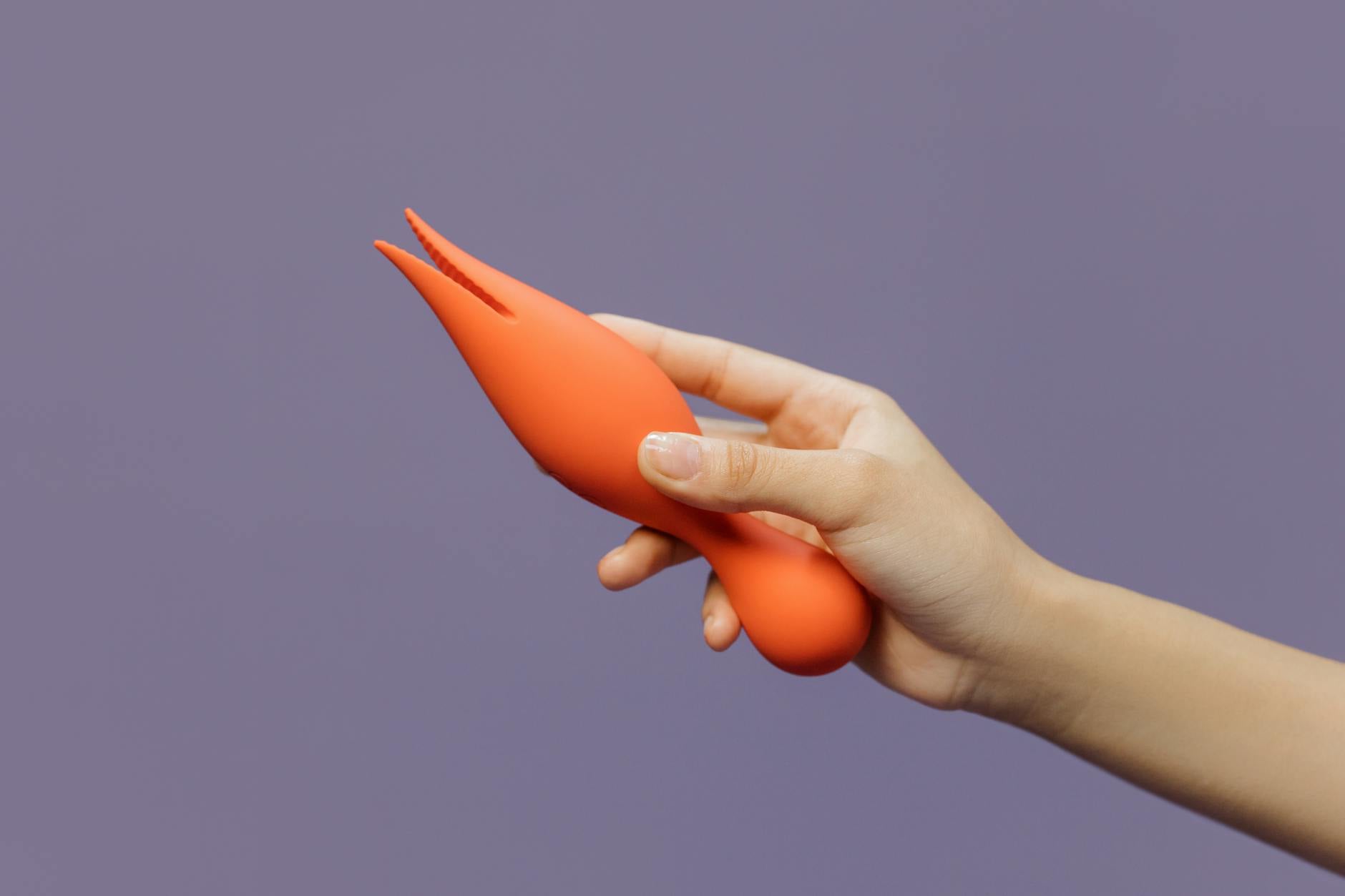
If they're hesitant or curious, offer to show them. "Do you want to look at what I'm thinking about?" You can pull up a product page on your phone or show a video review. Seeing an actual lemon vibrator or lem vibrator—not just a generic "sex toy"—makes it real and less abstract.
Many people's mental image of a vibrator is shaped by outdated media. Seeing a sleek, beautiful clitoral vibrator removes a lot of the charge. It's just a well-designed object. It's less threatening than the fantasy version they've built up.
If they want to try it and they're genuinely open, you could also suggest trying it solo first. "I could get one and use it by myself, see how I like it, and then we talk about adding it into sex together." That takes pressure off. They're not on the spot to perform. You get to figure out what you like. Then you both come to it with actual knowledge instead of theoretical anxiety.
The part nobody talks about: their pleasure
Here's the thing I tell my couples. If you bring a lemon vibrator into partnered sex, your partner's pleasure matters too. I'm not saying you have to use it on them if you don't want to. I'm saying: think about how they benefit.
Most people worry a vibrator will make them less important. In practice, the opposite often happens. If your orgasm is easier to reach and you're less in your head about