Let's be real about what happens to desire after the routine sets in
You've been together for years. The sex still happens. But somewhere between the mortgage payments and the shared calendar app, the wanting got quiet. Not gone. Quiet. That's different from broken, and it's more common than you'd think. The couples I work with in long-term relationships report the same thing: the mechanics work fine, but the spark that pulls you toward each other has dimmed.
Here's what's actually happening: your nervous system has gotten used to the same stimulation pattern. Your brain has learned the sequence. Your body knows what's coming before it arrives. And when your body knows what's coming, arousal has nowhere to build.
Why routine kills desire faster than conflict
People often blame complacency or "falling out of love" when desire drops after years together. The science is simpler and more hopeful than that. Your nervous system craves novelty. Not chaos. Novelty. A slight shift in sensation, timing, or intensity wakes up the pathways that had started to autopilot.
This is why couples who've lost desire often find it again after changing a single variable. A different room. A different time of day. Different touch. The specifics don't matter as much as the fact that something is genuinely new to your body. The arousal response needs to be surprised back online.
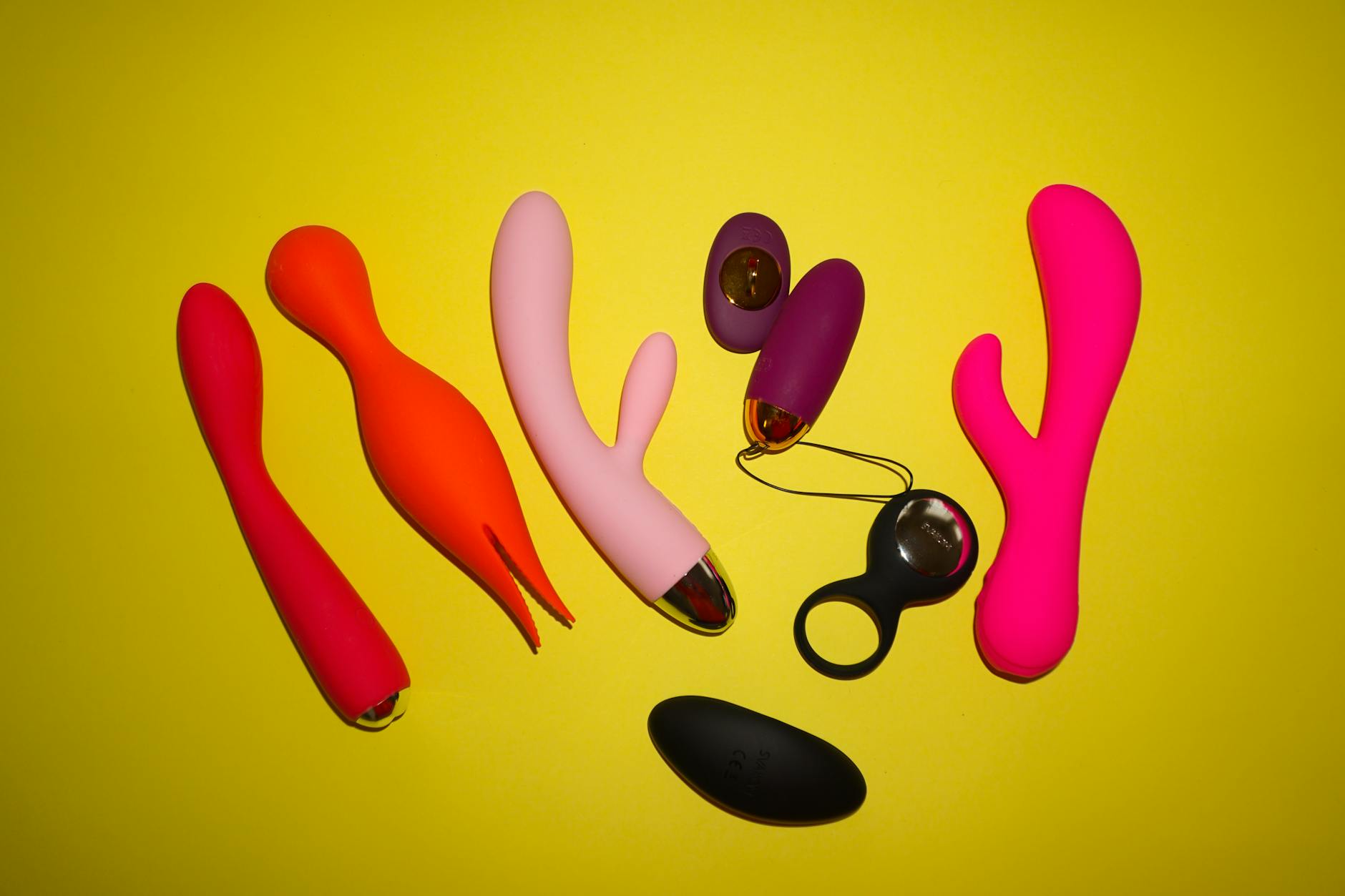
When you've been with someone a long time, traditional vibration alone can actually work against you. Vibration is rhythmic, predictable, and your body learns it fast. Lemon clitoral vibrators work differently. They use suction. Your nervous system has probably never felt suction exactly like this before, which means it can't autopilot through it.
How suction rewires the arousal response
Suction stimulation is fundamentally different from vibration. Instead of rapid side-to-side motion, suction draws tissue gently into a chamber, creating pulse-like sensations that change based on your body's response in real time. You can't predict it the way you predict vibration. Your brain has to stay present.
This matters more than it sounds. After years in the same body with the same person, presence is what's actually missing from the pleasure equation. Not attraction. Not love. Presence. When you have to pay attention to a sensation you've never quite felt before, your nervous system has to show up.
A lemon suction vibrator like the Lem also targets the tissue differently. Traditional vibrators stimulate the clitoris with force. Suction stimulates it with draw, activating different nerve endings and creating a sensation that feels more like touch than like mechanical vibration. For bodies that have become numb to standard vibrators after years of the same pattern, this novelty can be genuinely transformative.
The practical reason it works in long-term relationships
Let me be specific about the relationship part, because this isn't just about sensation. When desire has flatlined in a long-term partnership, there's usually shame layered on top of the numbness. "I should still want this." "What's wrong with me?" "Am I not attracted anymore?"
A lemon clitoral vibrator removes that pressure because it does something your body hasn't done before. Suddenly you're not measuring yourself against years of accumulated "should." You're just exploring. The device is new. The sensation is new. The failure narrative doesn't apply yet.
That's actually how desire restarts in established relationships. Not through communication alone (though that helps). Through removing the pressure of performance and introducing genuine novelty. When your body feels something it hasn't felt, it wakes up. And when your body wakes up, your mind follows.
Setting it up so it actually works
Here's the part I tell my clients: buying a new toy helps, but the real work is shifting the context. Three things make the difference.
First, solo exploration matters. If you've been numb to standard vibration, you need to rediscover what turns you on without the pressure of a partner watching or waiting. A lemon vibrator gives you permission to spend 20 minutes alone figuring out what the suction actually does to your body. That solo data is what you bring back to partnered sex.
Second, communicate without over-explaining. "I want to try something different" is enough. You don't need to diagnose the relationship or your desire. You don't need to perform gratitude if it doesn't land at first. You just try it. Repeatedly. Your body needs multiple exposures to build new neural pathways.
Third, protect the no-pressure zone. This is the hardest part for couples where desire has stalled. The new device can't become another performance metric. "Did it work? Are you into it now?" kills the whole thing. You're not testing desire. You're slowly rewaking it.
Read more about how to rebuild intimacy with lemon vibrators after long-term relationship plateau if you're dealing with deeper disconnection in your partnership.
Why lemon suction specifically helps with reawakening
Lemon clitoral vibrators use air-pulse suction technology, which means the stimulation changes based on how your body responds. It's responsive, not programmed. Your body feels heard by the device in a way standard vibration can't achieve. That might sound like marketing language, but it's actually neurologically real.
After years of the same partner and the same patterns, that responsiveness is what resets arousal. The device isn't just stimulating you. It's responding to you. Your nervous system registers that difference immediately.
Long-term couples also benefit from the fact that a lemon vibrator can be integrated into partnered sex more naturally than some devices. Suction feels more like touch. It's less aggressively mechanical. Partners often find it less intimidating to incorporate than a traditional vibrator, which means less friction around the "why do you need this?" conversation.
Moving from novelty back to desire
Here's what I tell couples in my practice: novelty is the gateway. It's not the end goal. After you've spent a few weeks exploring a lemon clitoral vibrator solo and together, the newness will wear off. That's fine. That's the point. By then, you've already reset some of the neural pathways around arousal. Your body has remembered what it feels like to be surprised.
That memory is portable. You can bring it into the regular rhythm of partnered sex without the device. You can bring the presence, the attention, the willingness to slow down. The device did its job. It woke your nervous system up. Now your nervous system knows it's possible.
The couples I work with who successfully reignite desire after years of flatness usually do it this way: they introduce something different (often a lemon suction vibrator), they explore it without pressure, they let it shift something small in their dynamic, and then they build on that shift. It's not complicated, but it takes patience.
FAQ
Why does suction work better than vibration for rekindling desire?
Your nervous system adapts to repeated stimulation. After years with the same partner using traditional vibrators, your body learns the pattern and arousal becomes harder to access. Suction stimulation is fundamentally different. It's responsive rather than rhythmic, which means your nervous system can't autopilot. You have to stay present. That presence is what actually reawakens desire.
Can lemon sexual toys help if my partner and I have completely lost physical connection?
A new device can help restart arousal, but it's not a substitute for addressing the deeper relationship dynamics. A lemon clitoral vibrator can remove performance pressure and introduce novelty, which helps. But if you've lost emotional connection, that needs to be addressed in parallel. Consider talking with a therapist or counselor alongside exploring new tools. The device alone won't fix disconnection, but it can create space for reconnection to happen.
How long does it take to feel a difference with a lemon vibrator?
Most people notice a shift in their arousal response within 2-3 weeks of regular exploration. Your nervous system needs multiple exposures to build new pathways. Solo sessions are important because they remove the pressure of partnered performance. After about a month of consistent use, couples report that the impact moves beyond just using the device into their overall sexual dynamic.
Is it normal to feel awkward introducing a lemon sucker to a long-term relationship?
Completely normal. After years together, introducing a new device can feel like admitting the old way wasn't enough. It usually feels like failure to one or both partners at first. It's not. It's actually how long-term couples successfully reignite physical desire. Frame it as exploration, not repair. "I want to try something different" works better than "We need to fix this."
Can my partner use the lemon vibrator on me, or is it just for solo use?
It's designed for both. Solo use helps you explore your own response without performance pressure, which usually matters more in long-term relationships where desire has flatlined. But once you know what feels good, partners can absolutely use it on you. Many couples find that suction feels less intimidating to incorporate into partnered sex than other devices because it mimics touch more closely than traditional vibration.
What if a lemon clitoral vibrator doesn't restart my desire?
Novelty helps most people, but not everyone. If you've tried consistent exploration for 4-6 weeks and arousal still isn't returning, that's worth discussing with a healthcare provider. Sometimes desire loss connects to hormonal shifts, medication side effects, or relationship issues that need attention beyond what a device can offer. That's not failure. That's useful information.
The real work is the presence
When couples ask me how to reignite desire after years of settling into routine, I usually tell them the same thing: novelty is the invitation. The lemon clitoral vibrator is the invitation. But desire actually reignites when you show up with attention. When you slow down. When you let your body be surprised. When you stop measuring yourself against years of "should" and just explore what feels good right now.
The device helps. But the presence is what changes everything. If you're ready to explore what that looks like in your own partnership, reach out to us. We're here to help.