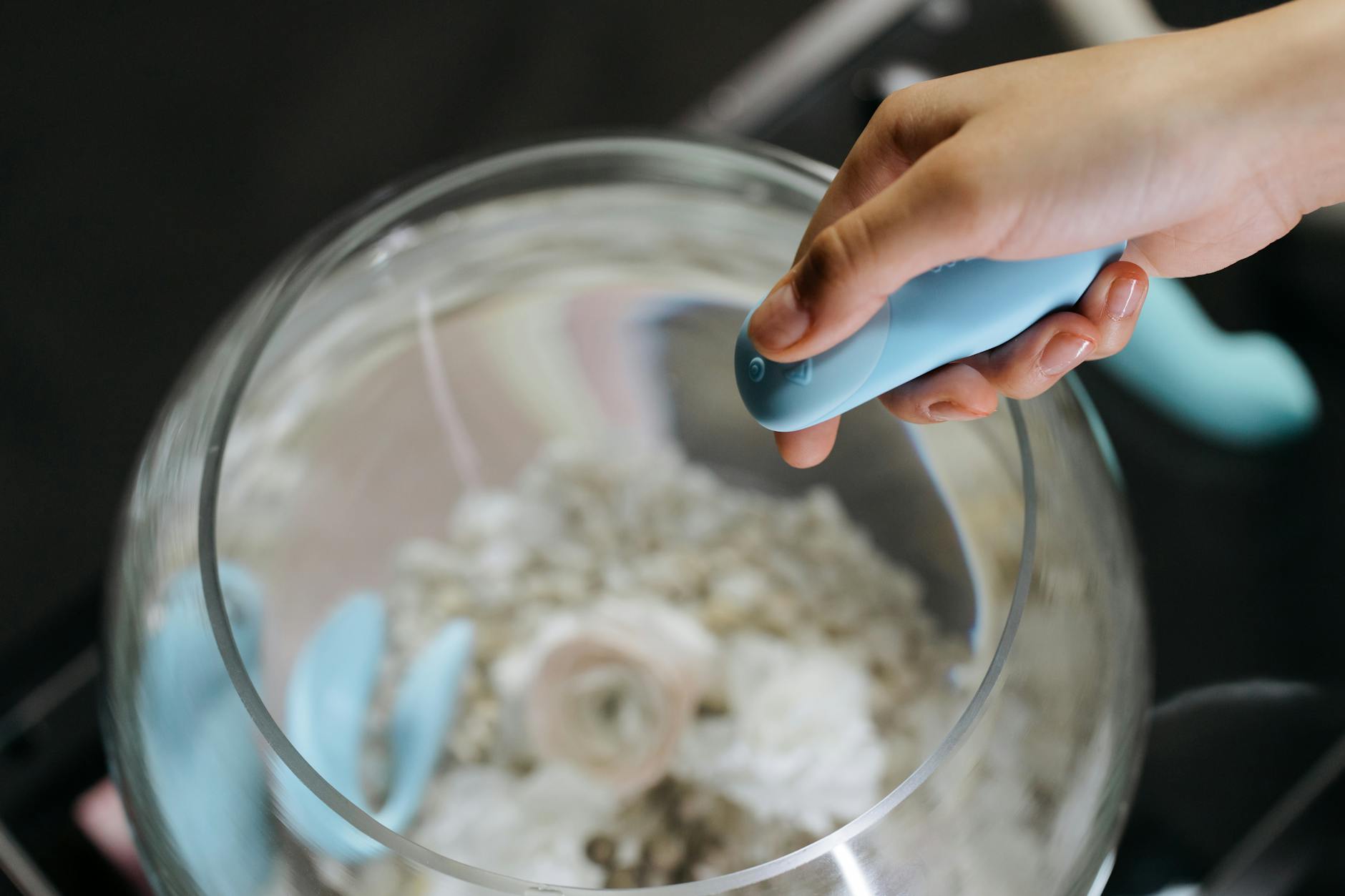
Why Lemon Vibrators Work for a Sensitive Clitoris With Vaginismus
Let's be real. If you have vaginismus, the last thing your body wants is more pressure on the pelvic floor. Traditional vibrators, even gentle ones, apply direct contact and friction. They trigger the exact reflex your nervous system is already doing too much of. That's why they hurt. That's also why a suction-based lemon clitoral vibrator often feels completely different.
Vaginismus is a involuntary tightening of the pelvic floor muscles. It's not psychological, it's not something you're doing wrong, and it's not rare. But because penetration or insertion triggers pain, pleasure becomes tangled with fear. Most people with vaginismus end up avoiding touch altogether because their body has learned that touch equals pain.
A lemon vibrator works around this logic. Instead of vibration or pressure, it uses gentle suction that stimulates without penetration, without friction, without the sensory overload that sets off the pelvic floor response. For many people with vaginismus, this is the first time clitoral pleasure has felt safe.
How vaginismus actually changes sensation
When your pelvic floor is in tension, it's not just tight during sex. It's tight during the day. Your muscles are guarding. That means the tissues around the clitoris and vulva are less mobile, more sensitive to pressure, and more reactive to anything that feels like it might lead to penetration.
There's also a neural component. Your nervous system has created a pain prediction model. It sees touch, anticipates pain, and contracts before anything even happens. This is protective, but it's also exhausting. Over time, the clitoris itself becomes tender because the tissue around it is perpetually tense.
Traditional vibrators, even when used externally, can trigger this response. The vibration carries up into the pelvic floor. The sensation reminds your body of the times penetration was attempted. Even if your conscious mind knows this vibrator isn't going in, your nervous system doesn't trust that yet.
Suction, by contrast, feels novel. It's not a sensation most people with vaginismus have associated with pain. It's a pulling, a gentle compression, a release. It doesn't mimic penetration and it doesn't ask the pelvic floor to relax. It just creates a pocket of stimulation that's spatially and sensationally separate from the deeper tension.
Why suction-based stimulation bypasses the pain reflex
The clitoris has four parts. The visible external part is called the glans. Underneath, it extends into two legs that wrap around the vaginal opening. When you have vaginismus, those legs are squeezed by tension in the pelvic floor. Direct vibration can create pain, because it jiggles tissues that are already in spasm.
Suction works differently. It creates localized negative pressure that engorges the clitoral tissue and stimulates the nerve endings without friction or penetration. Because it doesn't require pelvic floor relaxation to feel good, your nervous system doesn't go into protection mode. You can actually experience sensation without the anticipatory clench.
Hello Nancy's lemon vibrator uses air-pulse suction specifically designed for external clitoral stimulation. It starts at the lowest setting, which is crucial for people with vaginismus because your sensitivity threshold is lower. The lem vibrator's five intensity levels allow you to stay in the comfort zone while gradually building arousal and, over time, showing your nervous system that stimulation can be safe.
The difference between sensitivity and pain
Here's something important. Having vaginismus doesn't mean your clitoris is broken. It means your pelvic floor is overprotecting. The clitoris itself can feel amazing. It just needs a delivery method that doesn't trigger the protective response.
When people with vaginismus try traditional vibrators, they often report one of two things. Either the clitoris feels too numb because the muscles are clenching so hard that nothing gets through, or it feels painfully sensitive. Both of these are your nervous system doing its job. It's not that you're not capable of pleasure. It's that the pathway to pleasure is blocked by protective tension.
Suction-based lemon clitoral vibrators sidestep this. Because they don't ask anything of the pelvic floor, sensation can actually reach the clitoris without being filtered through pain. You might experience sensitivity that feels new, or even overwhelming at first. That's actually a sign it's working. Your clitoris is finally getting direct, undefended attention.
How to use a lemon vibrator if you have vaginismus
Start with body awareness. Spend a few days just noticing your pelvic floor without trying to change it. When do you feel tension? What does relaxation feel like? This is foundational because you'll want to notice the difference after you start using the vibrator.
When you're ready, set aside 20 to 30 minutes with zero pressure. No goal of orgasm. Just exploration. Put the lemon vibrator on the lowest setting and hold it over your clitoris. You're not pressing it in or trying to create suction immediately. Just let it sit there. Notice the sensation. This is often the hardest part because your nervous system wants to clench. Breathe into it.
Once you're used to the feel of it at that setting, you can slowly increase intensity and add intentional suction by moving the vibrator gently in small circles. Slow, patient, no rush. If you feel clenching or tension spike, stop and breathe. Your pelvic floor will gradually learn that this isn't a threat.
Many people with vaginismus report that after a few weeks of regular use, their baseline pelvic floor tension decreases. The clitoris becomes less tender. And most importantly, pleasure becomes possible without pain.
What changes as your nervous system updates
One of the things I see repeatedly with clients using suction-based lemon vibrators is a shift in sexual anticipation. Before, the body anticipates pain. After a few weeks, it starts anticipating pleasure. That's a profound neural shift. You're literally retraining your threat-detection system.
As this happens, the range of sensation expands. You might start to notice arousal building in a way you haven't felt in years. You might find that touch elsewhere on your body feels less defended. Some people report that penetration, when they choose to try it again, feels less painful because the pelvic floor has actually learned to relax.
This isn't magic. It's neuroscience. Your nervous system is pattern-matching. Every time you use the vibrator safely and without pain, you're adding data to the file marked "stimulation equals safety." Over time, that file becomes the default.
When to seek additional support
Vaginismus often responds well to physical therapy with a pelvic floor specialist. If you're also using a lemon clitoral vibrator, you're addressing both the physical tension and the sensory pathway. That combination is powerful. A pelvic floor physical therapist can teach you specific relaxation techniques that work alongside pleasure exploration.
If vaginismus is tied to trauma or deep anxiety about sexuality, talking to a therapist who specializes in sexual health can be valuable too. The vibrator is a tool for pleasure, but it's not a replacement for processing the emotional roots if those exist.
Also, if using the vibrator causes pain rather than pleasure, pause and check in with a healthcare provider. Sometimes pain signals something that needs different support.
The permission piece
A lot of people with vaginismus have been told, explicitly or implicitly, that they're broken. That their body doesn't work right. That pleasure is off the table. Using a lemon vibrator is partly about the mechanics. But it's also about proving to yourself that your clitoris does respond. That pleasure is actually available to you. That your body isn't the enemy.
That permission matters. The first time someone with vaginismus experiences orgasm through clitoral stimulation with suction, they often cry. Not because it's sad. Because it's proof that they're not broken. That they were just waiting for the right tool and the right nervous system state.
Your pleasure deserves this kind of gentle, patient attention. A lemon vibrator can be the beginning of reclaiming it.
People also ask
Can you use a lemon vibrator if penetration causes severe pain?
Yes. The entire appeal of suction-based clitoral vibrators for vaginismus is that they work externally, without any insertion or attempt at penetration. You're stimulating the clitoris through the skin. No pressure on the vaginal opening, no triggering the pelvic floor contraction. You can use a lemon vibrator safely even if the idea of penetration causes panic.
How long does it take to feel less pain with vaginismus using a lemon vibrator?
It varies. Some people notice reduced baseline tension within two to three weeks of regular use. Orgasm might take longer, maybe two to three months. The most important shift is often the psychological one: realizing that stimulation doesn't have to hurt. Once that belief settles in, your nervous system relaxes. The timeline depends on how long your body has been in protection mode and how much support you have.
Will using a lemon vibrator eventually make penetration possible again?
For some people, yes. As the pelvic floor learns to relax and the clitoris becomes less tender and defensive, some people do find that penetration becomes possible. But that's not the goal and shouldn't be the goal. The goal is pleasure and comfort in your own body. Penetration is optional. If it never happens, that's completely fine.
Are there any risks to using a lemon vibrator with vaginismus?
None specific to vaginismus. The vibrator itself is safe. The only risk is psychological: if you use it in a way that triggers pressure or performance expectations, you could reinforce the same nervous system patterns that caused vaginismus in the first place. The key is keeping it pressure-free and pleasure-focused.
Should I use a lemon vibrator before seeing a pelvic floor physical therapist?
You can do both at the same time. Some physical therapists actually recommend home use of clitoral stimulation as part of treatment because it helps desensitize the pelvic floor to touch. Others prefer to start with manual therapy. Ask your therapist. Either way, using the vibrator gently and on your own timeline is different from clinical intervention and can absolutely happen in parallel.
Can partners use a lemon vibrator on someone with vaginismus?
Yes, but only if the person with vaginismus is fully comfortable and directing the experience. The vibrator stays external. The person using it should move slowly, start at low intensity, and let the other person guide when to increase or pause. It's a form of shared intimacy, but the person with vaginismus needs to feel in control of the sensations. This can actually help rebuild trust if vaginismus was trauma-related.
Moving forward
Vaginismus is treatable. You're not stuck. Your body isn't broken. And you absolutely deserve pleasure, on your own terms, in your own timeline. A lemon clitoral vibrator is one tool that many people with vaginismus find makes that journey possible. If you want to explore this, start gentle, be patient with yourself, and remember that every sensation of safety your nervous system experiences is progress.
If you have questions about how to approach this or want to talk through your specific situation, reach out to us. We're here to support your journey.