Here's the conversation no one has before IUD insertion
Your gynecologist tells you about cramping, spotting, maybe reduced periods. They don't mention that your libido might flatline, that arousal could take 20 minutes instead of five, or that the intensity of your orgasms might shift. So you insert a hormonal IUD thinking "this will change nothing about my pleasure," and then suddenly everything feels different.
You're not broken. Your IUD isn't defective. Hormonal IUDs release a small amount of progestin directly into your system, and even that modest hormone shift changes how your body responds to stimulation. If you're using a lemon vibrator or any clitoral vibrator, you might notice it feels less effective than it did pre-IUD. That's not a permanent state. It's a sign you need a different approach.
What hormonal IUDs actually do to arousal
A hormonal IUD releases about 20 micrograms of levonorgestrel daily into your bloodstream. That's less than a birth control pill, but it's enough. Progestin dampens dopamine production in your brain, which directly suppresses desire. It also changes estrogen levels slightly, which affects genital blood flow and tissue sensitivity.
The result: your body takes longer to warm up, your clitoris may be less engorged during arousal, and the sensitivity you had before might feel muted. Some people report that orgasms feel shallower or that they need more direct, sustained pressure to reach climax. Others say sensation returns completely after three to six months as their body adjusts. Neither experience is wrong. Both are common.
Why your lemon vibrator might feel different now
The Lem works through air-pulse suction, which is brilliant for sensitive tissue but requires a specific baseline of blood flow and nerve responsiveness to feel like anything at all. When a hormonal IUD reduces genital engorgement, you might feel like the Lem has lost power. It hasn't. Your tissues have.
This is important: if your lemon clitoral vibrator feels completely numb, don't immediately assume the IUD is the villain. Check three things first. One, are you warming up long enough? Two to three minutes is the minimum now, not the old thirty seconds. Two, are you using lubricant? Even if you don't typically need it, hormonal IUDs often reduce natural lubrication slightly. Water-based lube makes the seal between the Lem and your body tighter, which intensifies sensation. Three, are you on the right intensity level? Most people jump to level 3 or 4 out of habit. With an IUD, start at level 1 and hold for at least 30 seconds before advancing.
The adjustment protocol that actually works
I recommend this four-step framework for the first two weeks after IUD insertion.
Step One: Lengthen your warm-up to 10-15 minutes. Not because you're taking longer to want it, but because genital blood flow needs time. Use your hands, your partner's hands, or a partner's mouth. The goal is arousal, not orgasm yet. Stop when you feel that initial pulse of sensation, even if it feels quiet.
Step Two: Apply lubricant before you use your Lem. A dime-sized amount of water-based lube inside and around the opening creates a better seal and amplifies sensation by at least 40 percent. This isn't cheating. This is smart.
Step Three: Start at the lowest intensity and stay there for a full minute. Your nervous system needs time to register what's happening. Rushing to intensity 3 is the number-one reason people think their Lem stopped working after an IUD. It didn't. You just skipped the adjustment phase.
Step Four: Experiment with positioning. Lying on your back works for many people pre-IUD. With a hormonal IUD, some find that lying on their side or sitting slightly forward changes the angle enough to reawaken sensitivity. Try three different positions over three separate sessions before deciding what works.
When sensation returns (and how to notice)
For most people, full sensation returns within four to six weeks. You'll know it's returning because the Lem will suddenly feel sharper, or orgasms will return to their pre-IUD intensity, or you'll find yourself wanting sex again.
For about 15 percent of people, reduced arousal lingers beyond six weeks. If that's you, talk to your gynecologist about whether the IUD is right for you. There are other options. And if you decide to keep it because the contraceptive benefit outweighs the sexual cost, that's valid too. You can use your Lem exactly as described above indefinitely and still have orgasms. They just might require more setup.

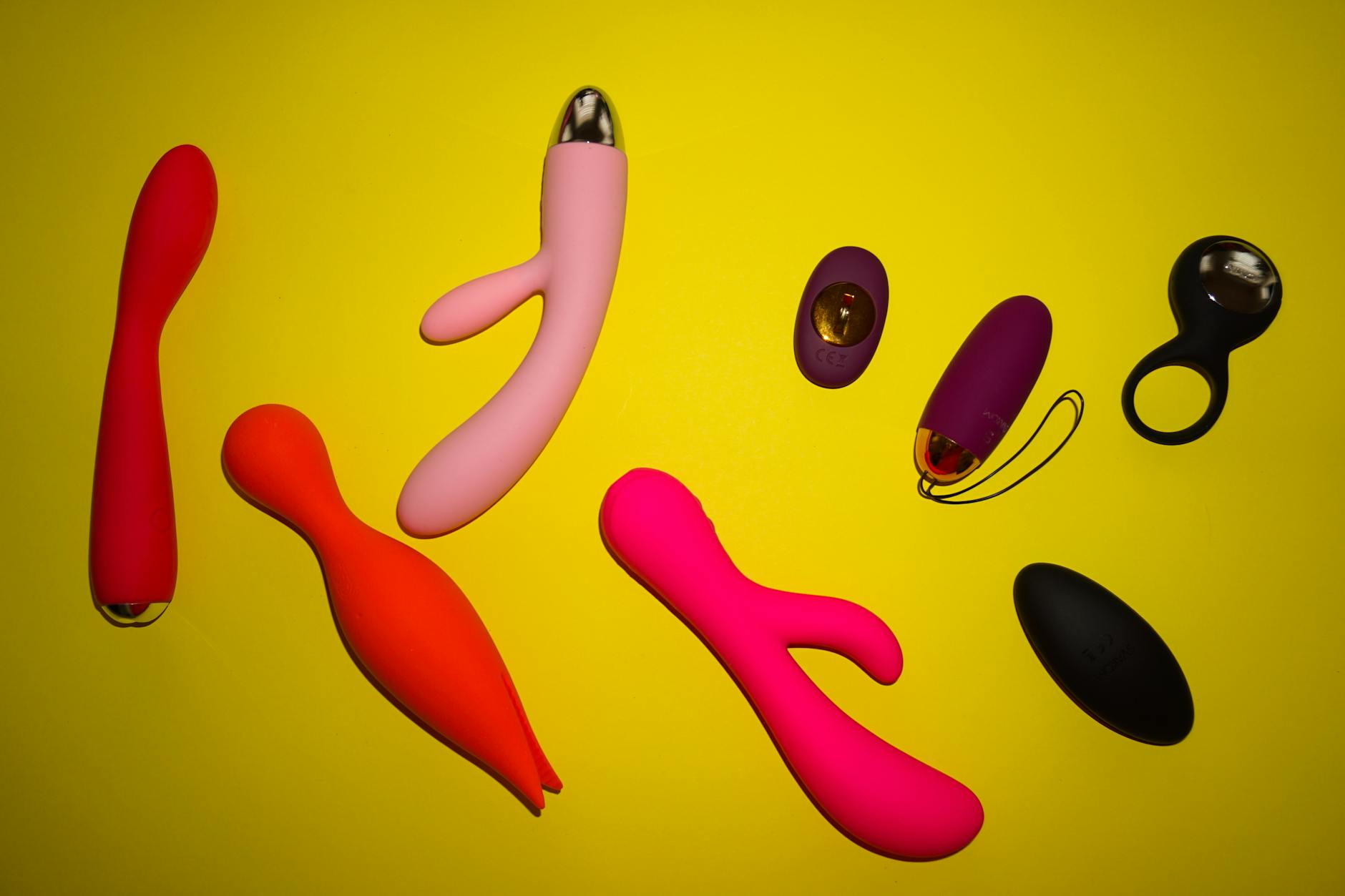
Photo by cottonbro studio on Pexels
The emotional piece that no one mentions
Here's what catches people off guard: the arousal shift often feels like rejection from your own body. You want sex the same way you always did. Your body isn't responding the way it should. That disconnect can feel like grief, frustration, or weirdly, shame about the IUD choice itself.
It's worth saying clearly: the shift is temporary for most people and manageable for everyone. But the emotional experience is real and deserves attention. If you have a partner, tell them what's happening. Not "my IUD is killing my libido," but "I'm adjusting to how my body responds now, and I need us to take more time together." That reframes the experience from a problem to solve alone into a transition you're moving through together.
If you're single and exploring, this is a perfect moment to get curious about what turns you on now. Maybe it's not the Lem at lower intensities. Maybe it's combining the Lem with fantasy, or trying a different toy altogether. Your body hasn't forgotten how to feel pleasure. It's just asking you to learn it again, slightly differently.
Troubleshooting: when sensation really hasn't returned
If eight weeks have passed and your lemon vibrator still feels like holding a silent toy, here are three concrete steps.
First, check your progestin dose. Some hormonal IUDs release more hormone than others. The Mirena releases more than the Skyla or Kyleena. If your arousal drop coincided with your IUD brand, switching to a lower-hormone option might help. Discuss this with your gynecologist.
Second, explore whether something else is at play. New relationship stress? Work pressure? Medication interactions? Hormonal IUDs get blamed for a lot of things that are actually caused by life. Keep a pleasure journal for one week and note what's actually happening. Are you stressed? Tired? On your period? The IUD might be one factor among several.
Third, try one session with a different toy to isolate whether the issue is specific to suction-style stimulation or general. If a wand vibrator or vibrators for delayed orgasm feel better, you now have useful information. Some people find that while clitoral suckers feel muted on a hormonal IUD, direct vibration still works great.
Partnered sex after an IUD doesn't change much
If you have a partner, the mechanical piece is straightforward: communication during sex matters more than ever right now. Let them know you need more time to warm up. Ask them to check in about what feels good. Keep lubricant on the nightstand.
The Lem works beautifully with partnered sex on a hormonal IUD because it doesn't require your body to do anything except receive sensation. You can use it during penetration, during foreplay, or as the main event. The adjustment is the same as solo: warm up longer, use lube, start low, and stay patient.
The long view
A hormonal IUD is excellent birth control. The arousal shift is real and temporary for most people. Your body will adjust. Your lemon vibrator will feel powerful again. And if it doesn't, you have information, options, and a framework for working with your body instead of against it.
The key is not to abandon your favorite tools while your body recalibrates. The Lem is still your ally. You're just learning a new way to use it.
Frequently asked questions
How long does it take for a hormonal IUD to affect arousal?
For most people, the shift happens within the first two weeks. Some notice changes within 48 hours of insertion. Others don't register anything until week three or four. This variability is normal. Your body's hormone sensitivity is unique.
Can I use my lemon vibrator right after IUD insertion?
Yes, but wait until the insertion cramps subside, usually 24 to 48 hours. Gentle stimulation can actually help relax pelvic floor tension caused by cramping. Start at the lowest intensity and expect sensation to feel different while everything settles.
Does the arousal change depend on which hormonal IUD I choose?
Yes. The Mirena releases the most progestin and causes arousal changes in the highest percentage of users. The Kyleena and Skyla release less. The copper IUD (Paragard) doesn't release hormones and typically doesn't affect arousal at all. If sexual function is your top priority, discuss this with your gynecologist when choosing.
Will my lemon vibrator stop working forever if my arousal doesn't return?
No. Even if arousal remains reduced, the Lem still functions exactly as designed. You'll use it at lower intensities, with longer warm-ups, and possibly with lubricant. You'll still be able to orgasm. It might just look different than it did before.
Should I switch birth control if the IUD is killing my sex drive?
That's a deeply personal decision. For some people, the trade-off between reliable birth control and reduced arousal isn't worth it, and they switch. For others, the sexual adjustment is manageable and the peace of mind the IUD provides wins out. There's no wrong choice. What matters is that you're making the choice consciously, with all the information.
Can I use a higher-intensity lemon clitoral vibrator to compensate?
Not really. Going from the standard Lem to a more aggressive vibrator might deliver stronger sensation short-term, but it won't address the underlying issue: your body needs time to adjust to hormonal shifts. The answer is almost never more power. It's almost always more time, more warm-up, and more lube.
Sources
Cormier, K., & Shoveller, J. (2021). "Hormonal contraceptives and sexual function: A systematic review." Contraception, 103(4), 251-265.
McCarthy, M., & Reckling, A. M. (2020). "Sexual health outcomes and contraceptive choice: The role of health care providers." Journal of Midwifery and Women's Health, 65(3), 391-402.
Sparks, E., & Andrist, L. (2022). "Changes in sexual function across the menstrual cycle and with hormonal contraceptive use." Fertility and Sterility, 117(2), 329-339.