Let's talk about what grief actually does to your body
Grief doesn't just live in your head. It settles into your nervous system, your muscles, your skin. And yes, it absolutely affects your libido. When you're processing loss, your body goes into a kind of protective shutdown. Cortisol stays elevated. Your vagus nerve tightens. The thought of pleasure feels almost disrespectful, or at minimum, impossible.
This is completely normal. And it doesn't mean your desire is gone forever.
Why pleasure matters during grief (not despite it)
Here's what most people don't realize: reconnecting with pleasure during grief isn't frivolous or inappropriate. It's one of the most grounding things your body can do. Orgasms reset your nervous system. They release oxytocin, which counteracts some of cortisol's effects. They remind you that you're alive, that sensation still works, that your body isn't broken.
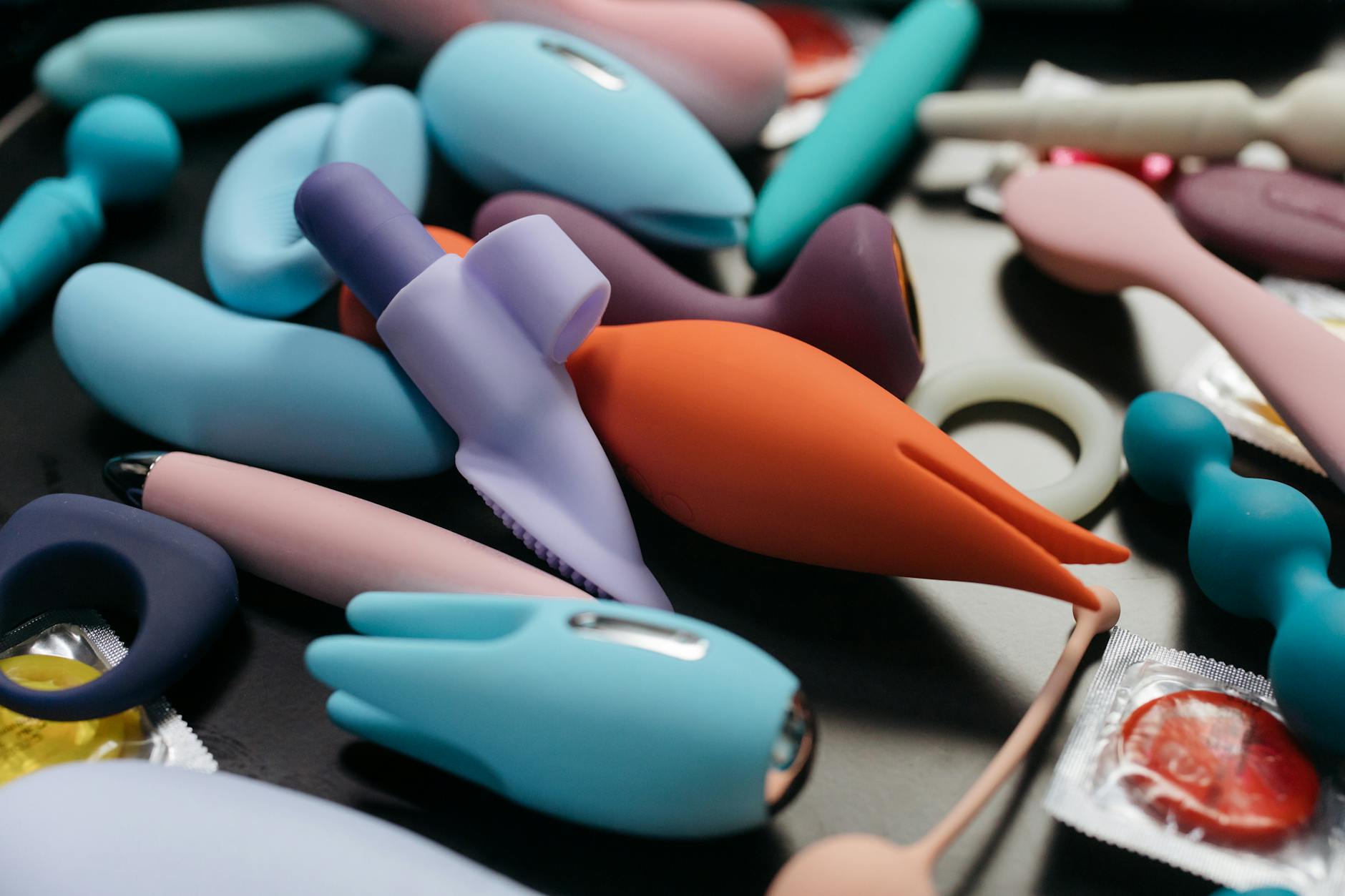
Lemon vibrators, specifically, work really well during this phase because they require almost no mental energy. You don't have to perform. You don't have to coordinate with a partner. You just have to show up for yourself for ten minutes.
Why lemon clitoral vibrators help when grief numbs sensation
Grief typically deadens sensation. Everything feels muffled. A standard vibrator can feel like background noise when you're that numb. Lemon suction technology works differently. Instead of relying on pure vibration, it uses gentle suction patterns that wake up the clitoral nerve endings through a different pathway. It's more insistent without being aggressive.
This matters because your body during grief needs something that cuts through the fog without requiring you to "want it" first. The Lem vibrator does that. The suction patterns activate sensation whether or not you're emotionally ready, which often means your body catches up with the experience faster than your mind does.
Starting small when everything feels heavy
If you haven't touched yourself in months, or if the idea of pleasure genuinely repels you right now, don't start with twenty minutes alone with a toy. Start with two. Literally just two minutes of gentle exploration with no expectation of orgasm.
Use the lowest suction setting on a lemon clitoral vibrator. Lie down. Let it sit there. You're not trying to finish anything. You're just reminding your nervous system that pleasure is available when you need it. That's the whole goal.
Many people find that after a few days of this, something shifts. Not because the grief is gone. But because your body starts remembering that sensation and pleasure are still options. Your nervous system begins to relax, even if your conscious mind is still in deep water.
Building a practice without pressure
When grief is heavy, any kind of performance expectation makes things worse. So build a practice around self-pleasure without the goal of orgasm. That sounds counterintuitive, but it works. You're essentially training your body that touch and pleasure belong to you, not to productivity or outcome.
Here's what that looks like:
Set a timer for ten minutes. Use your lemon vibrator on one of the middle settings. Pay attention to what feels good, not to whether you're "getting there." If an orgasm happens, great. If it doesn't, that's also fine. The point is consistency and presence, not results.
Do this three to four times a week. Over two to three weeks, you'll often notice your body responding faster, tension releasing more easily, and the weight of grief feeling slightly less suffocating during these moments.
When solo exploration needs to expand into partnership
If you're grieving with a partner, this is worth discussing. Not during sex, not during an intimate moment. Just at the kitchen table: "I'm working on reconnecting with my body during this difficult time. I'm using a lemon vibrator. I want you to know what I'm doing and why."
Some partners want to participate. Some want to just know it's happening. Some need to grieve differently for a while, and that's okay too. The conversation matters more than the outcome.
If your partner does want to be involved, how lemon vibrators work better when your partner lacks interest in foreplay explores ways to build shared intimacy slowly. But during acute grief, solo practice is usually the easier entry point.
Dealing with guilt when pleasure returns
Here's something I see constantly in my practice: people feel guilty when they start enjoying pleasure again during grief. Like they're betraying the person they lost, or the seriousness of what they're going through.
That guilt is not a sign that you're doing something wrong. It's actually a sign that you're healing. And healing while grieving doesn't mean you stop grieving. It just means your nervous system is finding ways to function and feel good simultaneously.
Your pleasure doesn't diminish your loss. It coexists with it.
The timeline is yours
Some people reconnect with desire within weeks. Others take months or years. There's no schedule you should be on. But if you haven't had a moment of pleasure in half a year or more, and you're ready to try, a lemon clitoral vibrator is one of the gentlest ways to start. It asks nothing of you except presence.
During grief, that's usually enough.
FAQ: Grief, loss, and pleasure
Can I use a vibrator if I'm not in the mood at all?
Yes. In fact, that's often the best time to try. Grief numbs desire on purpose. Your body is protecting itself. A low-pressure exploration with a vibrator can gently override that protection without forcing anything. Think of it as waking your nervous system up, not trying to become aroused.
Is it normal to feel nothing even with a lemon vibrator?
Completely normal. Acute grief can create a kind of sensory shutdown that even a very good toy can't immediately penetrate. If you feel nothing after several tries, that's information. Your nervous system is still in protection mode. Give it more time. Keep trying gently every few days. Eventually, sensation usually returns.
My partner wants to be sexual and I don't. How do I use a vibrator without hurting their feelings?
Tell them directly: "I'm grieving and my body isn't ready for partnered sex yet. But I am doing some solo exploration to help myself feel more present in my body. This is for me right now." If they make it about themselves, that's a separate conversation about emotional labor and grieving timelines. You can't rush your nervous system into arousal to make someone else feel better.
Does the Lem vibrator work better than regular vibrators for grief-related numbness?
Not universally, but for many people, yes. Suction-based lemon vibrators activate sensation through a different neural pathway than traditional vibration. Because grief often deadens sensation, that different approach can sometimes get through the fog faster. But individual bodies respond differently. The most important thing is consistency, not the specific toy.
How long before I feel "normal" again sexually?
Depends on the loss, your support system, and your baseline resilience. For some people, a few weeks of gentle solo practice shifts something significant. For others, it takes months of therapy plus time. There's no normal timeline. But if you notice you're getting any sensation or pleasure back at all, that's the system working. Keep going.
Should I wait until I'm "over" the grief before using a vibrator?
No. Grief doesn't work on an off switch. You don't finish grieving and then resume pleasure. You learn to grieve and feel pleasure simultaneously. Reconnecting with your body during loss is actually part of the healing process, not something to delay until you're "ready." Your body will tell you when it's ready. Listen to that signal.
You don't have to wait to feel good
Grief is heavy and it's real and it takes time. But pleasure doesn't have to be a future thing. It's available to you right now, in whatever small doses your nervous system can handle. A lemon vibrator is just a tool to help you find those moments when everything else feels numb. That's all it needs to be. If reconnecting with yourself feels too difficult, talking to someone trained in grief can help. Contact us if you want resources or just someone to talk to about what you're going through.