Here's what nobody tells you about SSRIs and sex
Selective serotonin reuptake inhibitors work. They genuinely do. They've helped millions of people climb out of depression, manage anxiety, and reclaim functional lives. But buried in the clinical trial data and almost never discussed in the prescriber's office is this: they suppress sexual response in roughly 40 to 60 percent of people who take them. Not as a rare side effect. As a common one.
And when you stop taking them, sensation doesn't snap back immediately like a light switch. It returns gradually, inconsistently, sometimes confusingly. Understanding that timeline and what's actually happening in your body makes the rebuilding process less isolating and more strategic.
What SSRIs do to your pleasure pathways
SSRIs increase serotonin availability in the brain by blocking its reuptake. That's great for mood regulation. It's less great for arousal, orgasm, and genital sensation because serotonin, at high levels, actually dampens dopamine in the reward and pleasure centers. You end up neurologically muted.
The effects are measurable and consistent:
- Delayed or absent orgasm. The most common complaint. You're aroused, everything feels fine, and then nothing happens. Or it takes 45 minutes when it used to take 10.
- Reduced genital sensation. Touching feels duller. The clitoris, penis, or labia just don't respond as sharply to stimulation.
- Lower desire. Libido doesn't just flatten slightly. For many people, the impulse to have sex almost disappears.
- Difficulty with erection or lubrication. Physical response lags behind mental interest.
Most prescribers mention this risk and then don't follow up. Many don't mention it at all. The assumption is often that if it's not causing distress, it's fine. But it causes distress. It just gets normalized, reframed as part of depression itself, or quietly tucked into shame.
The timeline when you stop
Let's say you stop your SSRI. Assuming a reasonable tapering schedule (you should never quit cold turkey), here's what typically unfolds:
Weeks 1-2: Nothing obvious changes. Withdrawal symptoms might appear (dizziness, brain zaps, mood instability), but sexual sensation stays muted.
Weeks 3-6: Dopamine gradually returns to baseline. You might notice interest returning first. The urge to initiate sex comes back before the physical sensation fully does. This can be frustrating because you're interested but still numb.
Weeks 6-12: Genital sensation begins normalizing. Orgasms become possible again. They might feel different than before the medication, slightly weaker or take longer to arrive, but the pathway is open.
Months 3+: Full recovery happens here for most people. Sensation feels "normal" again, though some people report their pleasure ceiling is slightly lower than pre-SSRI baseline. That often resolves with time, stress reduction, and good partnering.
That's the general arc. Individual timelines vary wildly based on which SSRI you took, how long you were on it, your own neurobiology, and what else is happening in your life.
Why clitoral vibrators, especially suction ones, work better during this recovery
When sensation is returning but still patchy, traditional vibrators can feel frustrating. Direct vibration requires responsive nerve endings that might not be fully back online. You end up increasing the intensity to feel anything, which can become uncomfortable on reawakening tissue.
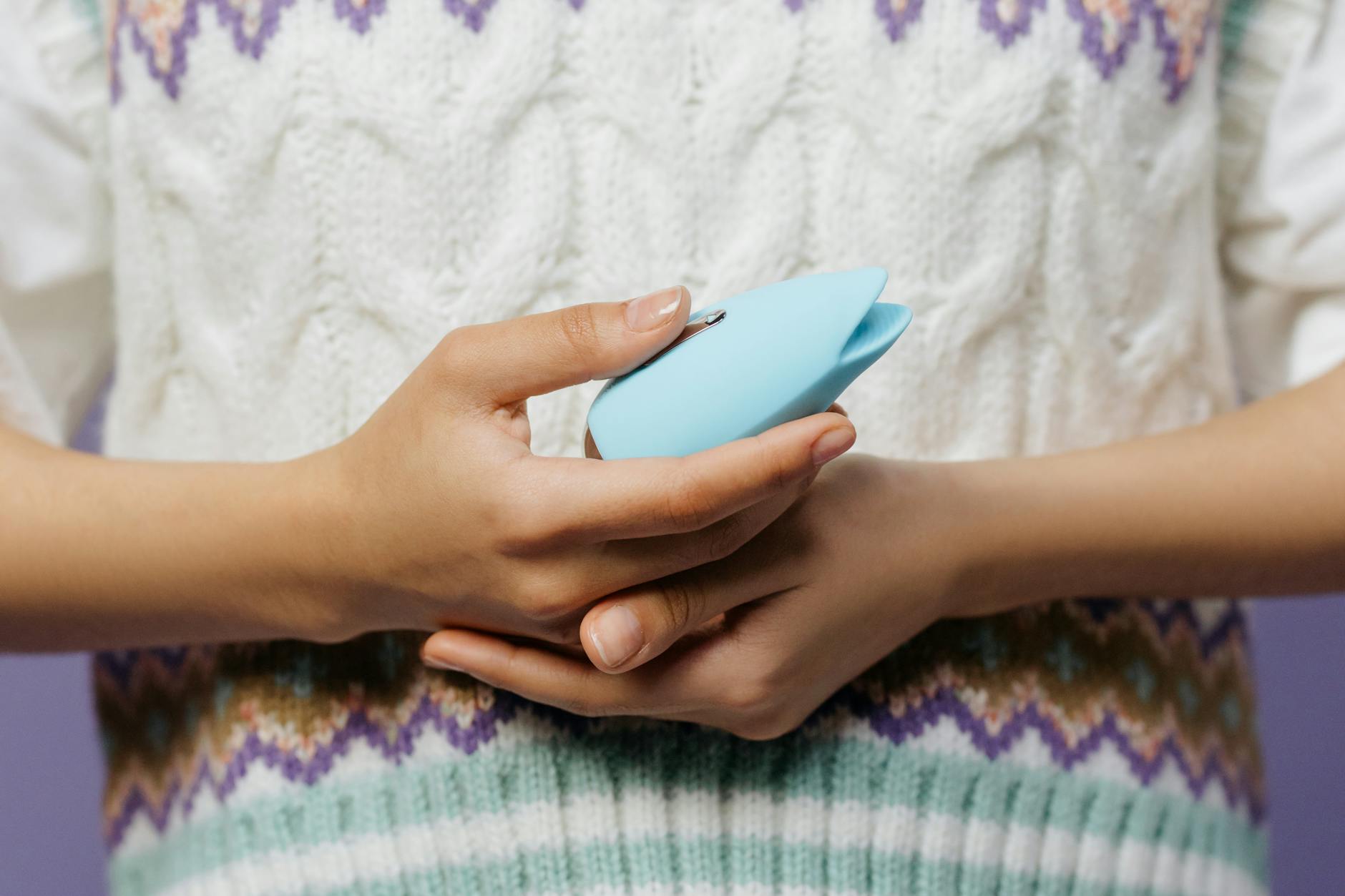
Lemon clitoral vibrators work differently. The suction mechanism stimulates a broader area of nerve tissue without demanding the precision of direct vibration. It's a gentler reintroduction to pleasure. You can start low and build gradually without the same risk of overstimulation or frustration from numbness.
The other advantage is psychological. During SSRI recovery, many people lose confidence in their own bodies. A tool that works reliably, that doesn't require you to chase sensation, can restore that sense of agency. The Lem's gentle starting patterns create consistent feedback without forcing it.
What helps the physical side of recovery
Three things make a material difference:
Give it time. The urge to rush back to normal is real, but pushing too hard often backfires. Spending a few weeks with lower-intensity stimulation, longer warm-up periods, and exploration without pressure allows your nervous system to recalibrate naturally.
Use lubrication. Even if you didn't need it before SSRIs, returning sensation can feel hyperreactive to direct friction. A good water-based lube creates glide, reduces aggravation, and paradoxically often makes sensation feel sharper.
Separate the mental and physical conversations. If you're rebuilding pleasure after stopping SSRIs and also rebuilding a relationship or processing what the medication did to your confidence, address those separately. One conversation at a time prevents everything from becoming tangled.
The emotional landscape matters more than you'd think
Here's where most articles about SSRI sexual side effects get it wrong. They treat it as a purely neurochemical problem. Fix the chemistry, get your pleasure back, everyone's happy.
But stopping an SSRI that's been managing your mental health is psychologically loaded. You might be grieving the sexual self you lost while on medication. You might be scared of depression returning. You might be angry at your prescriber for not explaining this trade-off clearly. All of that lives in the same body trying to experience pleasure again.
Take time to notice what's actually true as sensation returns. Is it just slow, or does anxiety about it being slow make it feel slower? Are you avoiding initiation out of numbness, or out of shame about the numbness? These questions aren't academic. They shape what you do next.
When to loop your doctor back in
If sensation is returning but remains significantly blunted after four to six months off SSRIs, it's worth a checkup. Sometimes the timeline is just longer. Sometimes there's another factor at play: another medication, a thyroid issue, or depression itself reemerging and flattening response again.
If you're considering stopping SSRIs specifically because of sexual side effects, talk to your prescriber first. There are often adjustments worth trying before quitting: changing the time of day you take it, adjusting the dose, or switching to a different SSRI with a lower sexual side-effect profile (Sertraline and Escitalopram tend to have slightly lower rates than Paroxetine or Fluoxetine).
Building pleasure back intentionally
The recovery period is actually an opportunity, weird as that sounds. You get to rebuild desire and sensation with intention instead of taking them for granted. Start with tools that work with your body where it actually is right now, not where you wish it were. A lemon clitoral vibrator or other air-suction device is specifically designed to work gently and effectively during this phase.
Budget time for arousal. Longer foreplay, more exploration, less goal orientation. Your body's returning from being neurologically muted. It needs permission to move slowly.
And finally, recognize that this phase doesn't last forever. The majority of people report full sensation recovery within three to six months. You're not broken. Your body is doing exactly what it's supposed to do: recalibrating.
People also ask
How long does it take for sexual function to return after stopping antidepressants?
Most people notice the beginning of sensation return between weeks three and six off SSRIs, with more complete recovery by three to six months. Some take longer, especially if they were on the medication for years. The timeline depends on the specific SSRI, how long you took it, your individual neurobiology, and how much you're actively working on pleasure during that window. Patience and a tool that works gently, like a lem vibrator, speed up the feeling of recovery even if the actual physiology unfolds at its own pace.
Can you take SSRIs and still have good orgasms?
Some people do, especially at lower doses or with certain SSRIs. It's highly individual. If you're on an SSRI and struggling with orgasm or sensation, the first conversation is with your prescriber about adjusting the dose, timing, or switching to a different medication in the class. Don't just stop taking it. But yes, functional and satisfying sexual response is possible for many people on SSRIs; it's not an either-or scenario for everyone.
Does switching SSRIs help with sexual side effects?
Yes, sometimes significantly. Sertraline, Citalopram, and Escitalopram have lower rates of sexual dysfunction than Paroxetine or Fluoxetine. Some people also tolerate lower doses better. This is a conversation to have with a psychiatrist or GP, not a decision to make on your own. If sexual side effects are severe and persistent, switching is worth exploring before stopping antidepressants altogether.
Is it normal for pleasure to feel different after stopping SSRIs?
Completely normal. Many people report that orgasms feel subtly different after coming off SSRIs, even when sensation fully returns. Sometimes sharper, sometimes softer, sometimes just less predictable. Your nervous system has been operating under different chemistry for potentially years. It takes time to settle into a new baseline. This usually normalizes with time, reduced anxiety about the changes, and consistent exploration.
Why do clitoral vibrators work better during SSRI recovery?
When sensation is returning but still muted, direct vibration can require higher intensity to feel anything, which risks overstimulation on reawakening tissue. Air-suction technology like a Lem vibrator stimulates a broader nerve area more gently and works effectively at lower intensities. The broader, less pinpoint stimulation is more forgiving during the patchy sensation phase of recovery and creates consistent feedback without demanding fine-tuned nerve response.
Should I tell my partner about SSRI sexual side effects?
If you have a partner, yes, eventually. Not as an apology or explanation of why you're broken, but as a practical matter: "My medication affects my response time. I'm still interested, I just need longer warm-up and more of X and less of Y." This frame turns a medical fact into information that helps you both build something that works. Honesty here usually creates relief, not rejection.
References and sources
- American Psychiatric Association. (2013). Diagnostic and Statistical Manual of Mental Disorders (5th ed.). Sexual dysfunction side effects in SSRIs are documented at 40-60% incidence across trials.
- Montejo, A. L., Llorca, G., Izquierdo, J. A., & Ledesma, A. (2001). "Incidence of Sexual Dysfunction Associated with Antidepressants: A Prospective Multicenter Study." Journal of Clinical Psychiatry, 62(Suppl 3), 10-21.
- Baldwin, D. S., & Birtwistle, J. (1998). "Sexual Side Effects of Antidepressant and Antipsychotic Drugs." Advances in Psychiatric Treatment, 4(5), 294-300.
- Fava, M., & Mischoulon, D. (2000). "Switching and Augmentation Strategies for Enhancing Antidepressant Efficacy." Journal of Clinical Psychiatry, 61(Suppl 2), 5-9.
For more on navigating pleasure and sensation in changing bodies, read about how to use a lemon vibrator when arousal takes longer to build, or explore why some lemon vibrators feel better after antidepressants. If you're rebuilding intimacy in your relationship after sexual disruption, how to use a lemon vibrator for better intimacy when your relationship feels disconnected offers practical strategies.