
The gap nobody talks about
Sex stops for so many reasons. A relationship ends. Health changes. Life gets loud. And then one day you realize it's been eight months. Or two years. Or longer. The thing that feels most awkward isn't the physical part. It's the weight of the pause itself.
Honestly, restarting is harder than starting from scratch because you're not just rediscovering pleasure. You're also carrying questions: Will my body remember? Will this feel good? Am I broken now? None of that is true, but the thoughts are real. A lemon vibrator, specifically the kind that uses suction and gentleness instead of intense vibration, can be the bridge between "I haven't done this in forever" and "Oh, that actually felt nice."
Why your body might feel different after a pause
If months or years have passed without partnered sex or solo pleasure, a few things happen. Blood flow to the genitals decreases, which means tissues get less oxygen and can feel less responsive. The pelvic floor muscles tense up from inactivity, creating holding patterns. And your nervous system might be in a low hum of anxiety just thinking about trying again. None of this means your body is broken. It means it's been resting.
This is actually where a clitoral vibrator helps more than you'd expect. The suction-style design of the Lem works because it reawakens nerve endings without forcing anything. It's not aggressive. It's insistent but patient, which is exactly what your body needs to remember that pleasure is still available to you.
Starting with solo exploration, not pressure
Here's the thing I tell clients: if you're restarting after a long gap, solo exploration is not selfish. It's essential. Your body needs to remember what feels good without the weight of anyone else's expectations.
Set aside 20 minutes when you're actually relaxed, not just free. Relaxed means you're not thinking about laundry or whether you locked the door. Turn your phone to airplane mode. Dim the lights. This isn't about creating a "perfect scene." It's about removing distractions so your nervous system can settle enough to feel sensation.
Start with the Lem on its lowest setting. Hold it above your clitoris, not directly on it. Let the sensation build slowly. You're not trying to orgasm. You're reintroducing yourself to the idea that your body can feel pleasure. Many people find that after a long pause, sensation feels subtle at first, almost faint. That's normal. After a few sessions, the signals get louder.
The rhythm that works when you're rusty
When you haven't had sex in a while, arousal doesn't work like it does in a movie. Your clitoris doesn't swell up immediately. Your lubrication doesn't just happen. Instead, pleasure builds like a dimmer switch, not an on-off button.
Expect to spend 10 to 15 minutes on low intensity before turning up the dial. Move the Lem in small circles around your clitoris, or use it in short pulses rather than sustained contact. Many people who restart intimacy find that slower, intermittent stimulation feels less overwhelming than constant buzz.
If you're with a partner and you're both restarting, this matters too. The temptation is to jump to the same rhythm you used years ago. But your body is not the same, even if you haven't changed externally. Slower means you can both tune in to what feels good right now, not what used to work.
Using a lemon clitoral vibrator with a partner
If you're ready to involve a partner, the Lem becomes a tool for reconnection rather than a replacement. Some couples find it easier to restart with a vibrator because it removes the performance pressure. Nobody has to "do it right" because the vibrator is doing the work.
Talk about what you want before you get intimate. Not during sex, before. A simple version: "I want to go slow and use the Lem to help me relax into it." Your partner doesn't need a manual. They need to know that going slow is the plan.
Many couples use it this way: you lie together, they apply lubricant, and they hold the Lem while you guide the intensity and position. This keeps things collaborative instead of clinical. It also gives your partner something active to do, which can help them feel less like they're watching.
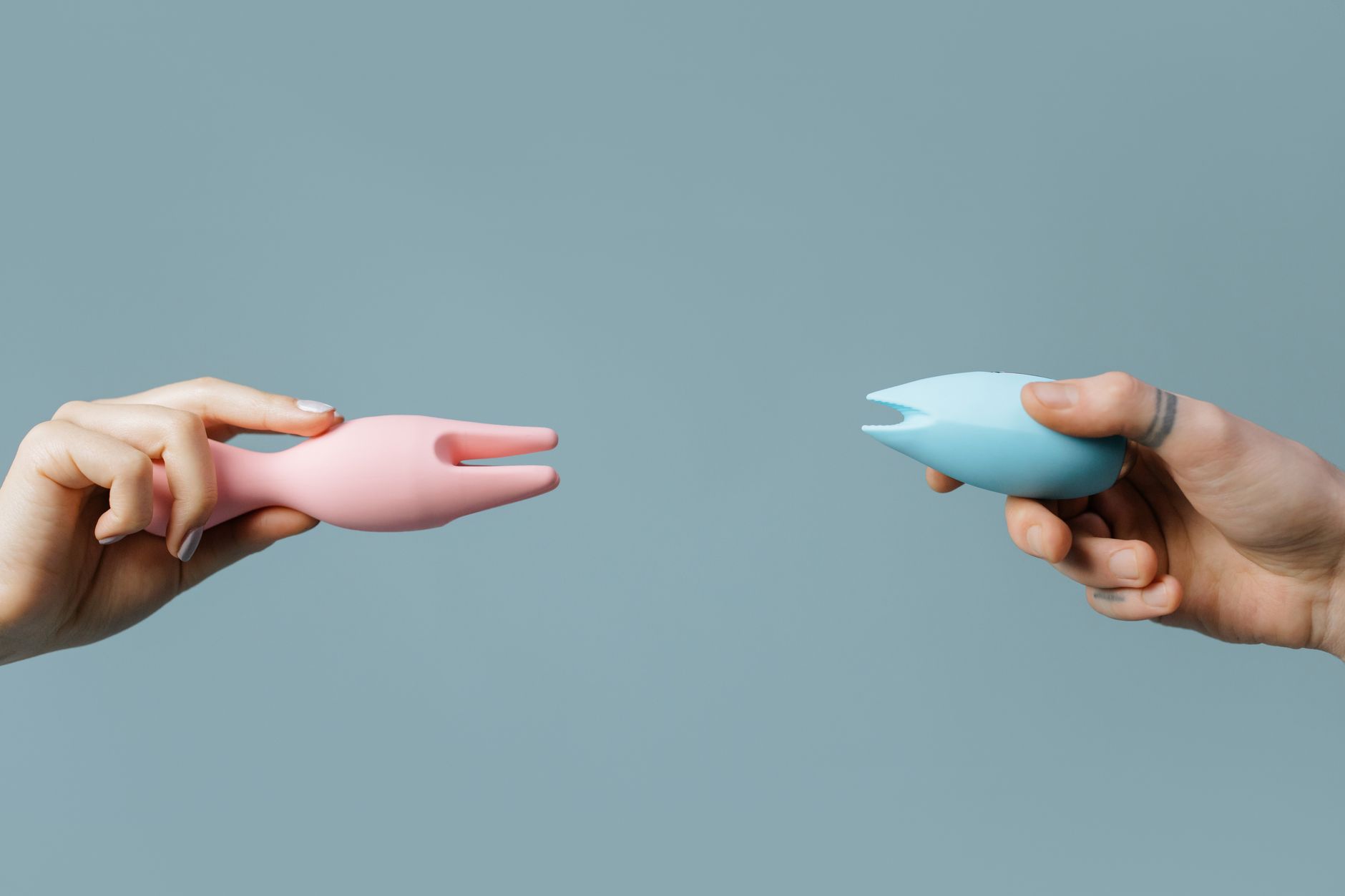
Photo by cottonbro studio on Pexels
The nervous system piece nobody mentions
After a long sexual pause, your body's threat response can kick in. Your nervous system sees unfamiliar sensation and interprets it as danger. This can feel like tensing up, losing lubrication mid-session, or numbness. It's not a sign that something is wrong. It's a sign that your nervous system is still figuring out whether pleasure is safe.
This is where the gentleness of suction-based stimulation helps. Instead of the sharp intensity of traditional vibration, suction creates a steady, rhythmic sensation that your nervous system recognizes as safe. You're not being buzzed into submission. You're being gently invited.
Breathe slowly while you're using the Lem. In through your nose for four counts, out through your mouth for six. This activates the parasympathetic nervous system, the part of your body that says "okay, we can relax now." After months or years away from pleasure, your nervous system needs explicit permission to downshift.
Lubrication is not optional, it's essential
After a long pause, even if your body usually self-lubricates, using a water-based lube is non-negotiable. Your tissues have been quiet. They need moisture to feel good and to respond. Use a little more than you think you need.
Reapply it every few minutes, especially if you're going longer than 10 minutes. Friction without lubrication after a sexual pause can actually set back your progress because it creates micro-tears and makes the experience uncomfortable. You're not trying to prove you don't need it. You're supporting your body.
When to expect sensation to return
Some people feel full sensation after one or two sessions. Others take weeks. Neither one means anything about your future pleasure or your body's capacity. Reawakening is not linear.
Many clients report that after about three weeks of consistent solo exploration, things start to feel more obvious. The touch is less like a faint whisper and more like actual sensation. By six weeks, most people find they're building arousal faster and orgasms feel more accessible. This is not guaranteed. It's just what the research and clinical observation tend to show.
If you're in a relationship and you're restarting together, how you communicate about using a lemon vibrator during sex with your partner matters as much as the actual device. Talking about it removes shame and creates space for both of you to relax.
The emotional part is the harder part
Physically, your body is ready faster than you think. Emotionally, the pause can leave deeper marks. Shame, awkwardness, doubt. These are normal responses to time away from pleasure, especially if the pause came from pain or trauma.
If you find yourself tensing up or dissociating when you try to restart, a sensate focus approach with a lemon vibrator might help more than you expect. Sensate focus is a structured practice where you focus on pure sensation without any pressure to become aroused or orgasm. It takes the performance element completely off the table.
For some people, a long sexual pause comes after relationship stress or when a partner avoids intimacy. In those cases, the vibrator is only part of the equation. The relationship piece needs attention too. But restarting pleasure on your own terms, in your own body, can be a powerful first step toward reclaiming your sexuality.
Consistency beats intensity
The people who restart smoothly are the ones who show up regularly, even if "regularly" is just once a week. Your nervous system learns safety through repetition. Pleasure becomes familiar again not because one session was magical but because you've done it enough times that your body stops treating it like a threat.
Start with once a week if that's all you have. Twenty minutes, Lem on low, no pressure to orgasm. After a month, add another session. By the time you hit six weeks of consistency, most people find their arousal responds faster and sensation feels richer.
The Lem works particularly well for this because the suction design is forgiving. You can't really do it wrong. There's no harsh vibration that exhausts your nerves. You can go at whatever pace your body wants, which means you can actually listen to yourself instead of fighting against a device that's too intense.
FAQ: Restarting after a sexual pause
Is it normal to feel nothing the first time I use a clitoral vibrator after years away?
Completely normal. After months or years without sexual stimulation, nerve endings need time to reawaken. Sensation often feels subtle or even absent in the first few sessions. This does not mean you're broken or that you've lost the ability to feel pleasure. Consistent use over weeks typically brings sensation back. If numbness persists beyond eight weeks, see a healthcare provider to rule out nerve damage or hormonal changes.
Can a lemon vibrator help if I'm anxious about restarting intimacy?
Yes. Using a vibrator solo first removes the pressure of performance and gives you control over pace. You're building positive sensory memories in your own body before involving a partner. Many anxious people find that three to four positive solo experiences make partnered sex feel less threatening. The Lem's gentle suction approach feels less aggressive than vibration, which helps nervous systems settle faster.
How long does it usually take to feel aroused again after a long pause?
There's no set timeline, but most people report that arousal builds noticeably faster after four to six weeks of consistent solo exploration. Some people feel faster shifts. Others take three months. This depends on how long the pause was, whether stress or trauma was involved, and how consistently you practice. Hormonal changes, medications, and health conditions also affect the timeline.
Should I tell my partner I'm using a vibrator to restart?
Yes, especially if you're planning to involve them later. Surprises tend to trigger anxiety. A simple conversation like "I want to take things slowly and I'm going to use a vibrator to help my body relax into pleasure again" removes mystery and invites them into the process. Partners often feel relieved because it gives them something active to do rather than putting pressure on them to perform.
What if orgasm doesn't happen for weeks after I restart?
Orgasm is not the goal of restarting. Sensation is. Pleasure without orgasm is still pleasure. Many people who restart intimacy find that they need to reframe what "success" looks like. If your clitoris is responding, if you're building arousal, if the experience feels good without triggering anxiety, that's working. Orgasm often returns later, sometimes stronger than before, sometimes different than you remember. Trust the process.
Can I use a lemon vibrator after surgery or trauma recovery?
Talk to your doctor first if you've had recent pelvic surgery. Once you're cleared, a gentle approach like the Lem can actually help your nervous system relearn that the area is safe. However, if you're recovering from sexual trauma, go slower than you think you need to. Consider working with a sex therapist alongside using the vibrator. A professional can help you track when sensations shift from activation into dissociation.
Restarting intimacy after a long pause is not about forcing your body back to where it was. It's about meeting yourself where you are now and slowly inviting pleasure back into your life. A lemon vibrator is a tool for that invitation. The real work is showing up consistently, breathing, and trusting that sensation returns faster than the shame does. It usually does.